

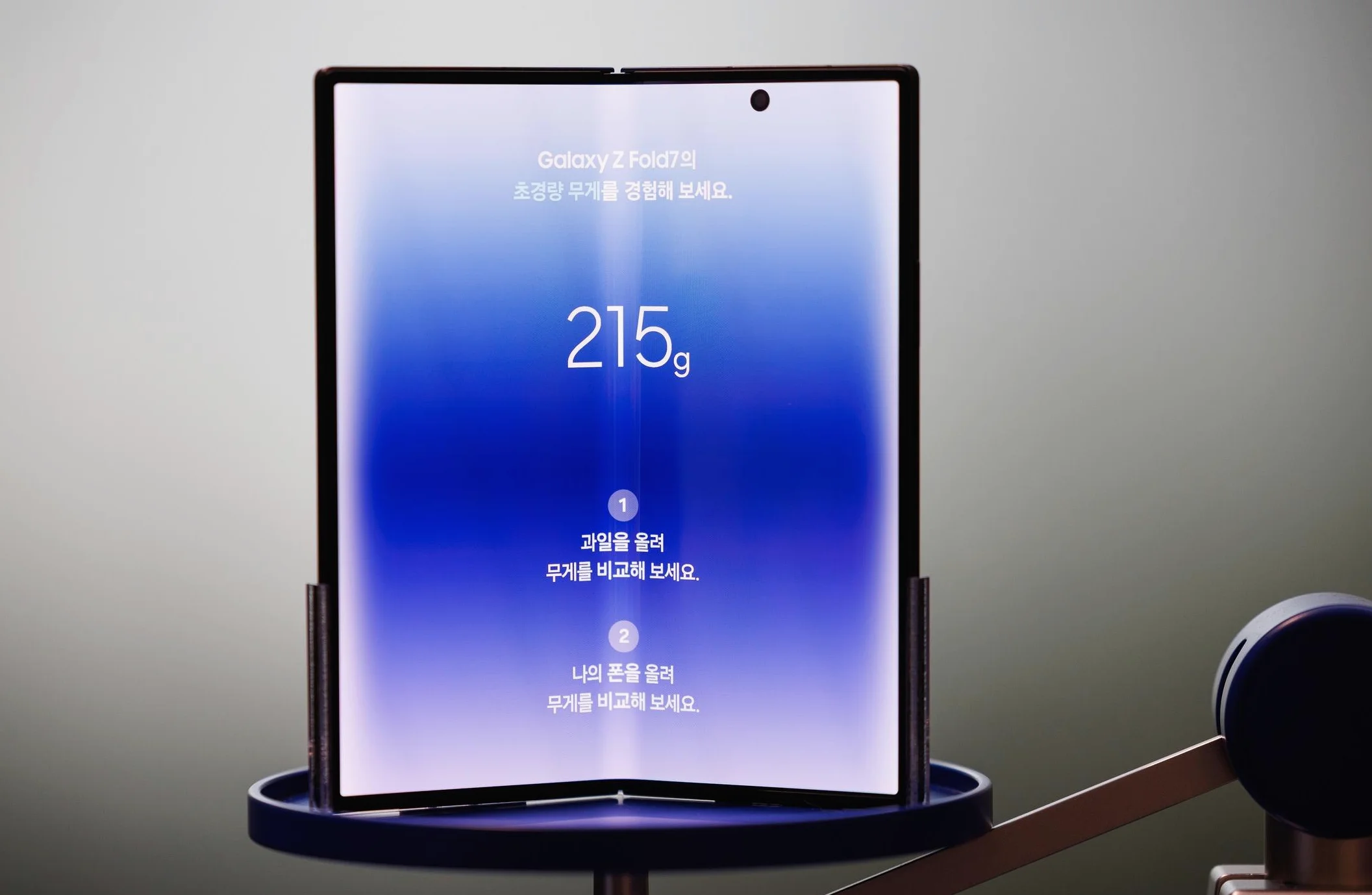
Samsung’s Galaxy Z Fold 8 will not feature the privacy screen that debuted on the Galaxy S26 Ultra, according to a reliable tipster, Ice Universe. The privacy screen uses a polarised filter layer built directly into the display hardware to restrict the viewing angle, making it difficult for others to see the screen from the side. However, foldable displays require ultra-thin glass that must flex repeatedly, making the display stack engineering fundamentally different from standard smartphone screens — this suggests the Galaxy Z Fold 8’s display will be an iterative update rather than a major innovation.
High-End TV Deals and New Repair Service
As of May 21. The Samsung 85-Inch Neo QLED QN70H smart TV is available at its lowest-ever price of $1,997.99 at Amazon, down from $2,297.99, though this marks the first for the model at the retailer, according to Amazon price tracker camelcamelcamel. The TV features 4K resolution. Motion Xcelerator technology for gamers. And a 144Hz refresh rate; Samsung also introduced a new premium repair service in Spain called Premium Plus, which promises 24-hour repairs for high-end TVs. The service includes a 65-inch replacement TV during the repair and is limited to specific models under warranty.
Collaborative Smart Glasses with Google
At the Google I/O 2026 developer conference, Samsung and Google revealed a new smart glasses collaboration. Two model variants were presented, developed in partnership with Gentle Monster and Warby Parker. The smart glasses integrate Google’s AI technology with Samsung’s hardware expertise and the design philosophies of the eyewear brands. Gentle Monster’s design emphasizes bold, disruptive aesthetics, while Warby Parker focuses on timeless, clear design. The glasses support hands-free operation via voice control, allowing users to manage, receive personalized recommendations, and manage daily tasks without removing their eyes from the environment.
Labor Negotiations and Bonus for Samsung Employees
In a separate development, Samsung Electronics reached a labor agreement with the union, preventing a potential 18-day strike that could have affected the South Korean economy. The deal included a bonus of up to 340,000 euros for each of the 48,000 employees. The Zentralbank had estimated that a strike could have reduced the country’s economic growth by 0.5 percentage points for the year. The agreement was reached after hard negotiations, with both the company’s chief negotiator and the union leader able to present a unified front in the final hours of the talks.






Comments
No comments yet
Be the first to share your thoughts