

 Wall Street Journal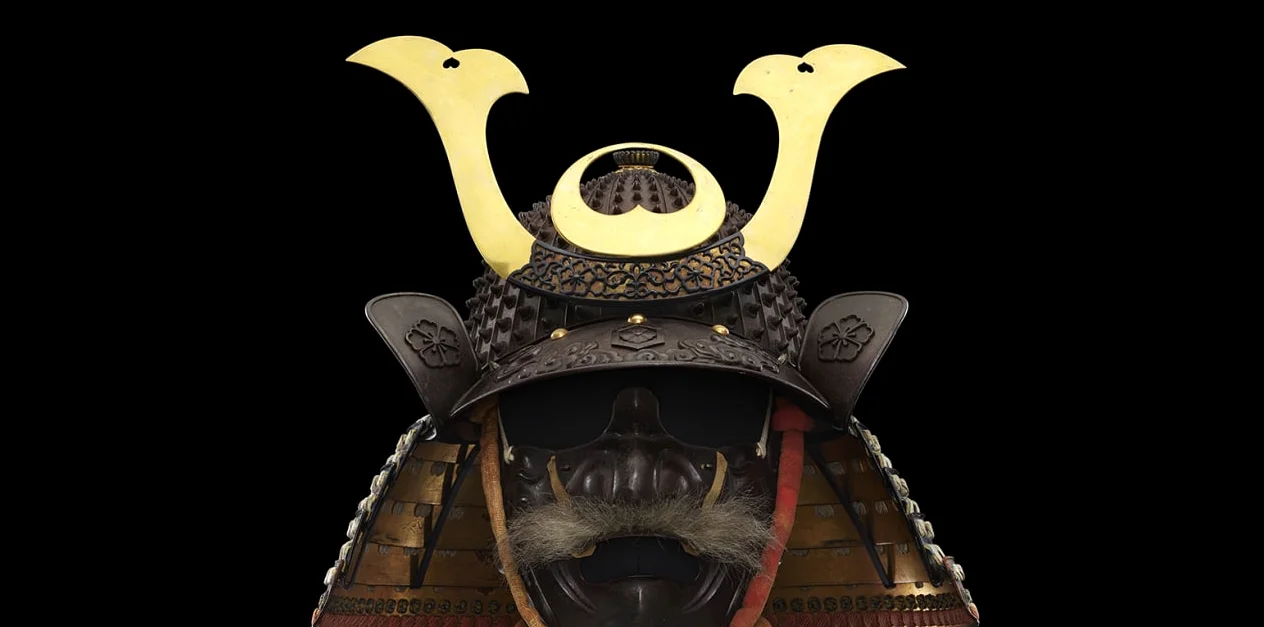
The British Museum’s new exhibition, “Samurai,” opens with a suit of armor that appears more like a hollow shell than a weapon of war. While the dragon-crested helmet and gilded spears suggest a fearsome warrior, the drape of the armor’s shoulder and shin guards reveals a symbolic rather than functional design. This deliberate emptiness is central to the curators’ message: the samurai, once a dominant military class, eventually became bureaucrats and cultural icons, their role evolving over centuries.
From Warriors to Bureaucrats
Spanning nearly 280 objects, the exhibition traces the samurai’s transformation from military elite to civil servants, and finally to global pop-culture figures. The show is divided into three chronological sections, beginning with the rise of the warrior class (bushi) from the 8th to the 17th century, moving through their domestication as civil servants from the 17th to 19th century, and concluding with the modern myth-making that followed the abolition of the samurai in the 1870s.
Curator Rosina Buckland has organized the exhibit to showcase the complex nature of samurai culture. “The samurai were not just warriors,” Buckland said. “They were also artists, bureaucrats, and patrons of the arts.”
The exhibition is rich in visual and material culture, with bold purple and magenta animations of galloping warriors covering entire walls. Enlarged cutouts from woodblock prints and monitors showing clips from the FX adaptation of James Clavell’s “Shōgun” create a theatrical atmosphere. Despite the digital elements, the objects on display offer a detailed view of samurai life.
Art and Influence
Among the highlights are a set of six-panel folding screens painted between 1624 and 1644 that depict battles from the Genpei War (1180–85). These paintings solidified the samurai’s military reputation and elevated their social status. Another notable piece is a modest splashed-ink landscape by Sesshū Tōyō, a painter born into a samurai family who traveled to China in the 1460s. This work reflects the cosmopolitanism of the samurai class.
Other exhibits include Domenico Tintoretto’s 1585 portrait of Itō Mancio, a Japanese Christian ambassador converted by Portuguese missionaries. This piece illustrates the early contact between Japan and Europe, a connection that might have taken a different course if not for Japan’s isolationist policies in the 1630s.
During the Edo period (1603–1868), the samurai transitioned from warriors to landowners and bureaucrats. They managed fire brigades, collected taxes, and participated in martial arts competitions. Their exploits were later dramatized in literature, theater, and prints. A refined 1840 portrait of a young samurai by Hokusai, painted for a male patron, includes a poem praising the boy’s beauty with a metaphor about dew-soaked branches.
Myth and Modernity
The final section of the exhibition explores the modern myths surrounding the samurai. An 1889 painting of the blue-eyed Italian Enrico di Borbone-Parma dressed in full samurai costume is displayed alongside woodblock prints from Japan’s wars with China and Russia. These conflicts saw the modern Japanese war machine adopting samurai symbols while embracing European military technology.
The exhibition also includes Western adaptations of samurai imagery, such as Darth Vader’s costume, runway fashion by brands like Lanvin and Undercover, and clips from Akira Kurosawa’s films. These pop-culture references, while popular, often overshadow the detailed historical context presented earlier in the exhibit.
The “Samurai” exhibition runs at the British Museum through May 4, offering visitors a chance to explore the complex legacy of Japan’s warrior class. From their early days as military leaders to their transformation into cultural icons, the samurai’s story is one of evolution, adaptation, and enduring influence.






Comments
No comments yet
Be the first to share your thoughts