

 The Guardian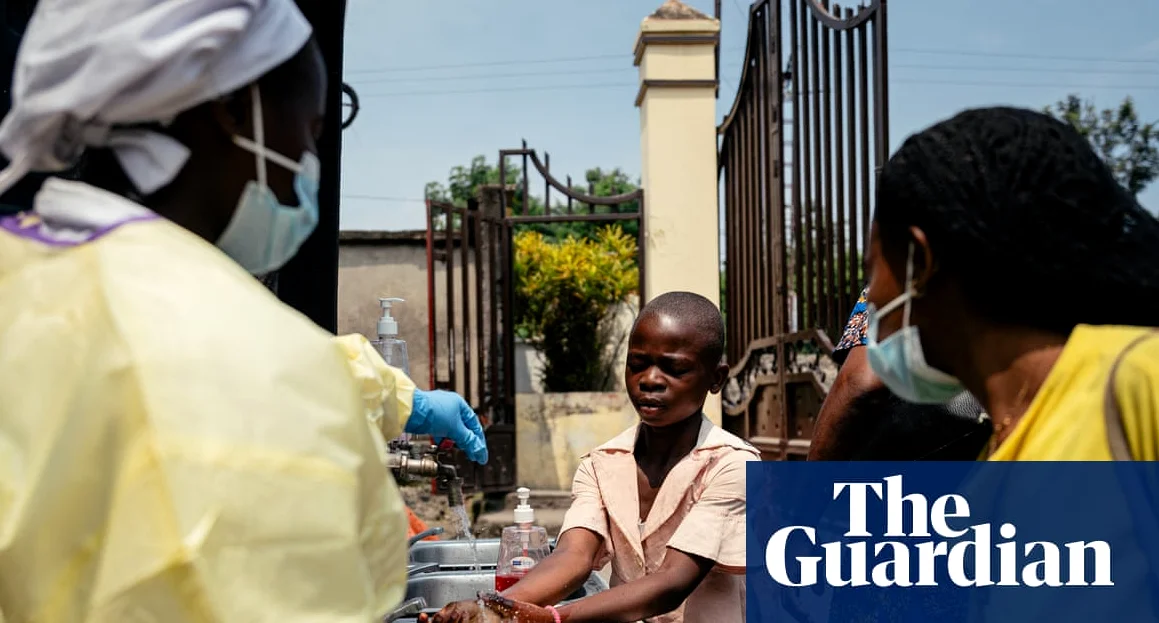
Experts have warned that the world is becoming less resilient to outbreaks of infectious diseases, as health authorities in the Democratic Republic of the Congo (DRC) and Uganda work to contain an Ebola outbreak. The GPMB highlighted the growing frequency and severity of such outbreaks, which are outpacing investments in pandemic preparedness.
Climate and Conflict Exacerbate Outbreaks
The GPMB report. Published on Monday. Noted that disease outbreaks are becoming more likely due to the climate crisis and armed conflict — And, geopolitical fragmentation and commercial self-interest are undermining collective action in responding to these threats. The report comes amid global attention on a hantavirus outbreak on a cruise ship and an international public health emergency declared after at least 87 Ebola deaths in the DRC.
WHO chief Tedros Adhanom Ghebreyesus said during the opening of the UN agency’s World Health Assembly in Geneva that the two outbreaks are “just the latest crises in our troubled world.”
Supply Chains and Aid Efforts Under Strain
WHO’s representative in the DRC. Anne Ancia. Told Reuters that the agency had emptied its stocks of protective equipment in Kinshasa and was preparing to send additional supplies from a depot in Kenya. Aid groups like the International Rescue Committee and Médecins Sans Frontières have also deployed teams to respond to the outbreak.
The WHO plans to host an urgent scientific consultation on Friday, bringing together top experts to gather information about the virus and focus research and development on vaccines, tests, and treatments.
Prof. Matthew Kavanagh. Director of the Georgetown University Center for Global Health Policy & Politics, said aid cuts may have contributed to the current crisis, while he explained that early tests for the wrong strain of Ebola led to false negatives and delayed the response. He added that when billions are removed from the WHO and frontline USAID programs are dismantled, the surveillance systems meant to detect viruses early are weakened.
“We are seeing the direct, deadly consequences of treating global health security as an optional expense,” Kavanagh said.
Uneven Progress in Pandemic Preparedness
While new technologies. Including mRNA vaccine platforms, have advanced rapidly and billions have been invested in pandemic preparedness, the GPMB found that the world is “moving backwards” in ensuring equitable access to vaccines, tests, and treatments. For example, during recent mpox outbreaks, vaccines took nearly two years to reach affected countries in Africa,slower than the 17 months it took for the distribution of Covid-19 vaccines.
The GPMB warned that outbreaks have also damaged trust in government, civil liberties, and democratic norms. Politicized responses and attacks on scientific institutions have left societies “less resilient to the next emergency.”
GPMB co-chair Kolinda Grabar-Kitarović, a former president of Croatia, said the world has the solutions to address these issues but lacks trust and equity. “Political leaders, industry, and civil society can still change the trajectory of global preparedness—if they turn their commitments into measurable progress before the next crisis strikes,” she said.
Countries failed to meet a deadline to finalize a pandemic agreement treaty before the World Health Assembly in Geneva, due to disagreements over access to medical tests, vaccines, and treatments in exchange for sharing pathogen information. The GPMB called for a permanent monitoring mechanism to track pandemic risk, conclude the pandemic agreement, and secure financing for preparedness and responses.
GPMB co-chair Joy Phumaphi, a former health minister in Botswana, said that if trust and cooperation continue to fracture, every country will be more exposed during the next pandemic.






Comments
No comments yet
Be the first to share your thoughts