

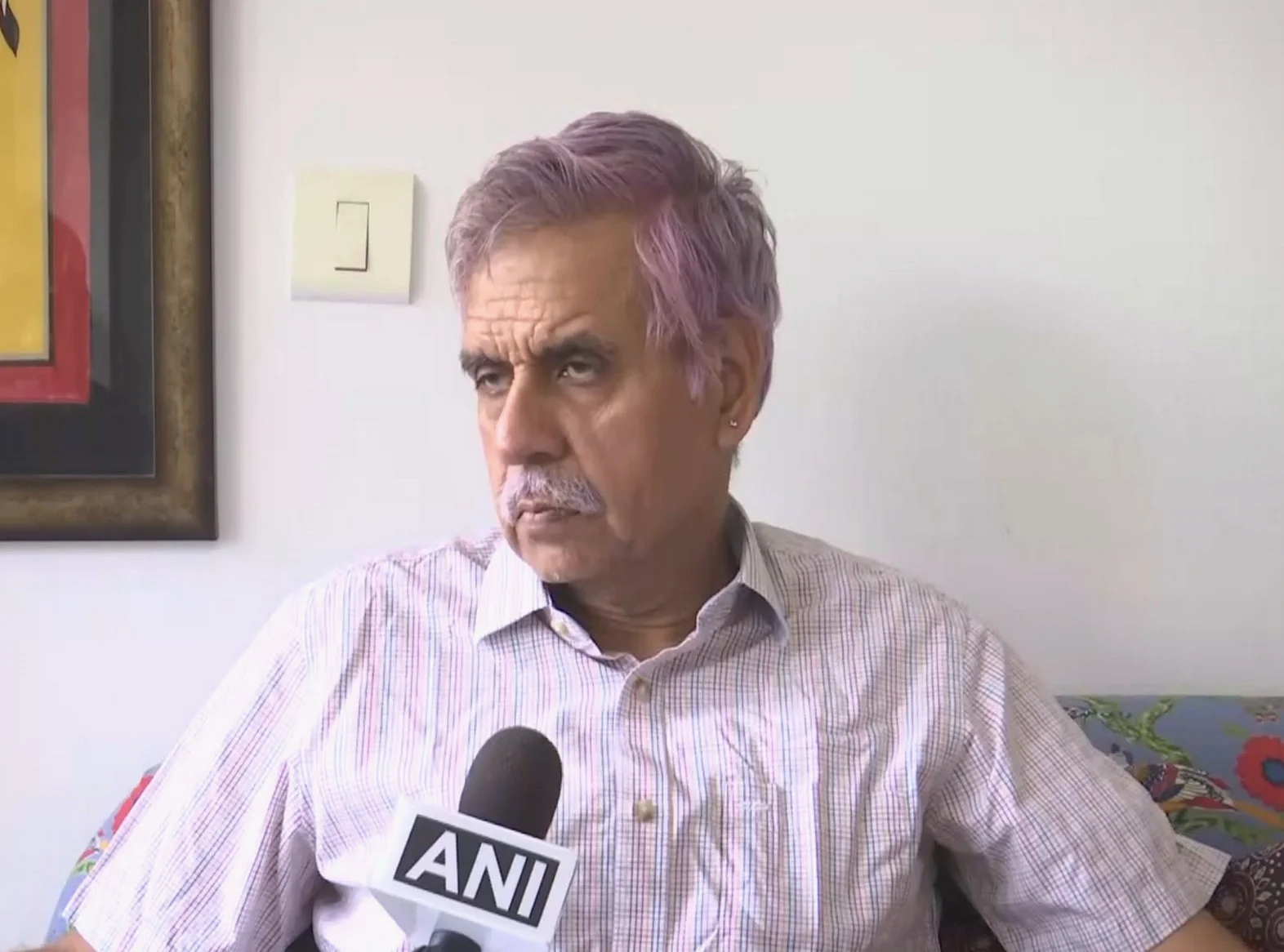
New Delhi — Congress leader Sandeep Dikshit has sharply criticized his party colleague Shashi Tharoor for his comments on the Indian government’s restrained response to the US-Israel attack on Iran, asserting that Tharoor’s remarks do not represent the views of a serious individual. Dikshit took to the media to express his disapproval of Tharoor’s position, which he said lacked depth and understanding of the geopolitical situation.
Tharoor’s Stance Under Scrutiny
Dikshit’s comments came after Tharoor supported the Modi government’s decision to remain silent on the US-Israel attack on Iran, stating that he would have advised a similar stance if a Congress government had been in power. This position, according to Dikshit, highlights a lack of understanding on Tharoor’s part regarding the complexities of foreign policy.
“I am of the opinion that he (Shashi Tharoor) doesn’t have much understanding about things. If someone wants to take a position without understanding, he shouldn’t be taken seriously. In my opinion, Tharoor’s understanding and remarks on the issue don’t represent those of a serious person,” Dikshit told ANI. His critique centers on the idea that Tharoor, who once held a high-ranking position at the United Nations, should be more aligned with the Nehruvian tradition of Indian foreign policy.
Dikshit further argued that Tharoor’s focus on “pension and talking politely to others” reflects a deviation from the more assertive and principled approach of India’s past leaders. He emphasized that a serious person would not take a position without a thorough understanding of the geopolitical landscape.
Historical Parallels and Foreign Policy Concerns
Dikshit’s remarks were not limited to Tharoor’s current stance but also referenced historical precedents to underline the dangers of inaction in international affairs. He pointed to the US intervention in Venezuela and the killing of Iran’s Supreme Leader Ayatollah Ali Khamenei as examples of how silence can normalize aggression.
“If we keep accepting things in silence, exceptions become practice (norm). In Venezuela, the US picked up its president from the country’s territory. In Iran, they killed the head of state. Who will stop the US from doing this in other places if we maintain silence on such events?” Dikshit questioned, emphasizing the potential consequences of a policy of non-intervention.
He also highlighted the distinction between a government official signing a condolence register and the Prime Minister remaining silent on such a significant incident. “Book signing is one thing, but the Prime Minister staying mum on such an incident is another,” Dikshit said, stressing that the Foreign Secretary does not dictate foreign policy, but the Prime Minister and Foreign Minister do.
According to Dikshit, the timing and clarity of a government’s response are crucial in shaping a country’s foreign policy. He criticized Tharoor for not recognizing this nuance, stating that it is up to Tharoor to understand the complexities of the situation, but he himself comes from a tradition rooted in the principles of Nehru.
Tharoor’s Defense and the Role of Opposition
When asked about his article published in an English daily, which differed from his party’s stance on India’s diplomatic actions, Tharoor defended his position. He stated that being in opposition allows one to take a moral stand, but advised that the government must practice “restraint as strength.”
Tharoor’s remarks reflect a broader debate within Indian politics about the role of the opposition in shaping national policy and the balance between moral responsibility and strategic restraint. While Dikshit views Tharoor’s comments as lacking in depth, others may see them as a legitimate critique of the government’s approach.
The controversy surrounding Tharoor’s remarks highlights the complex interplay between political ideology and foreign policy in India. As the situation in the Middle East continues to evolve, the positions taken by political leaders will likely influence public perception and diplomatic relations.
Analysts suggest that the debate over India’s foreign policy is not new, but the current geopolitical climate has intensified these discussions. With the US, Israel, and Iran at the center of the crisis, India’s role as a non-aligned power remains a point of contention among political leaders and the public.
As the situation unfolds, the actions and statements of political figures like Dikshit and Tharoor will continue to shape the narrative around India’s foreign policy. Their respective positions will be closely watched by both domestic and international observers, particularly as the implications of the current conflict become clearer.
For now, the focus remains on how Indian leaders will handle the delicate balance between national interests, international alliances, and moral responsibility in the face of escalating regional tensions.





Comments
No comments yet
Be the first to share your thoughts