

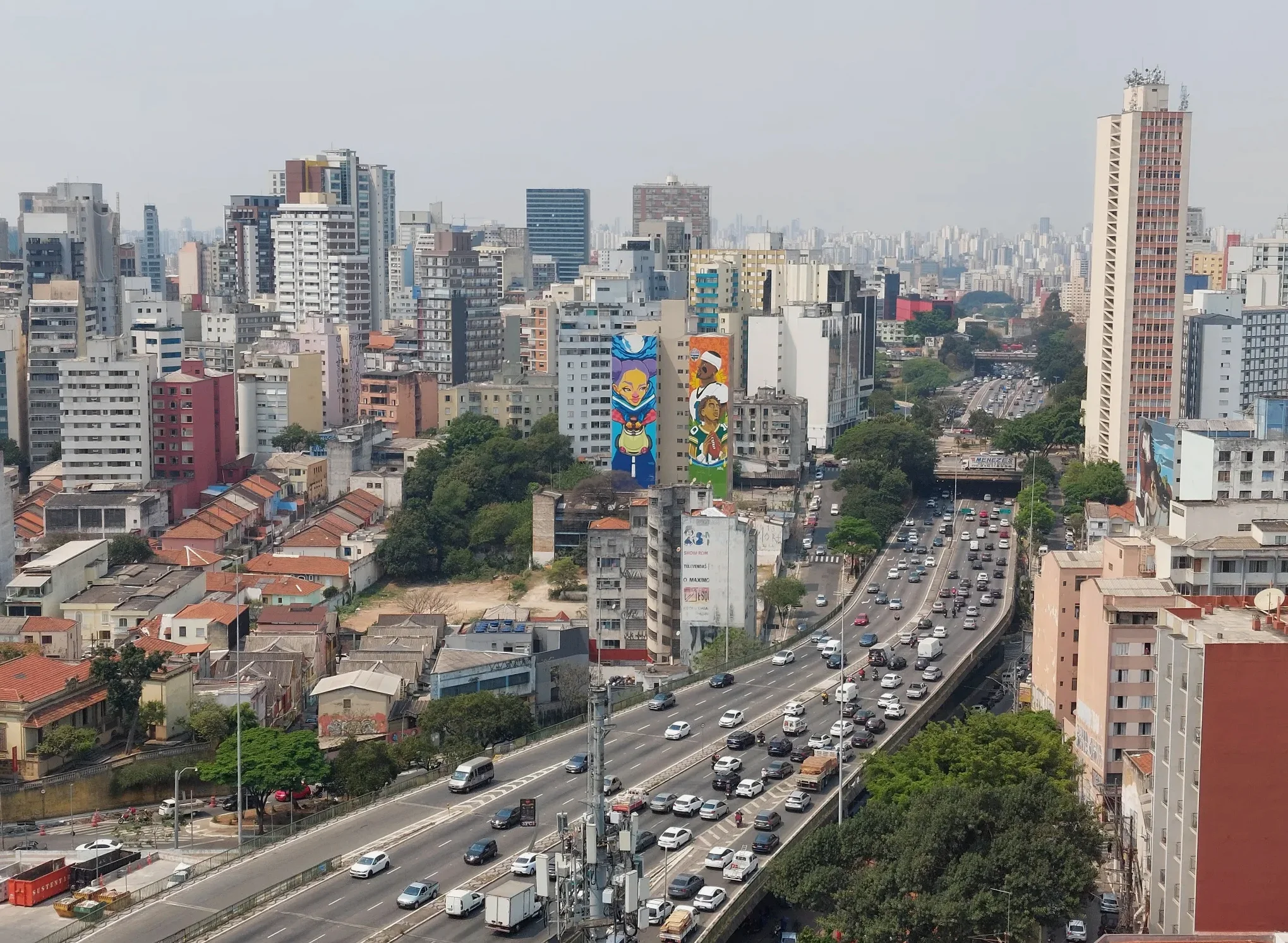
As the October 6 municipal elections in São Paulo draw closer, the campaign has turned increasingly contentious. Pablo Marçal, a supporter of former President Jair Bolsonaro and candidate for the PRTB party, found himself at the center of a dramatic confrontation during a televised debate. José Luiz Datena, a well-known Brazilian journalist, physically confronted Marçal in the studio, reportedly causing the latter to break a rib, Datena was forced to leave the set following the incident, according to FAZ.
Election Scene and Key Candidates
The race for mayor is a tight one, pitting incumbent Ricardo Nunes (MDB) against left-wing challenger Guilherme Boulos (PSOL), Marçal, a far-right candidate, is also seen as a potential contender. The city’s 9.322.444 eligible voters, including 16-year-olds, will choose not only the next mayor and vice mayor but also 56 city council members, according to Unsere Zeitung.
Nunes, a businessman and current mayor from the centrist MDB, has been criticized for his pro-market policies, including the privatization of public services, though his administration has also faced scrutiny over increased advertising spending and irregularities in public contracts. Meanwhile, Boulos represents the left, and Marçal aligns with Bolsonaro’s political base, bringing a far-right presence to the ballot.
Election Dynamics and Political Context
São Paulo, home to 12.4 million people, has been governed by conservative or neoliberal mayors for the past seven years, João Doria Júnior (2017,2018) and Bruno Covas (2018–2021), both from the Brazilian Social Democracy Party (PSDB), continued this trend despite labeling themselves as social democrats. Current Mayor Ricardo Nunes has continued to push for privatization and deregulation, according to Unsere Zeitung.
Political analysts suggest that the upcoming vote will reflect a broader national divide between conservative, centrist, and leftist ideologies; With a second round scheduled for October 27 if no candidate secures a majority, the contest is expected to be highly competitive. Marçal’s presence in the race adds another layer of volatility to an already charged political climate.
Controversy and Public Reaction
The televised debate incident involving Marçal and Datena has drawn widespread attention, Datena, a familiar face in Brazilian media, acted in response to what he described as escalating provocations. The altercation highlights the heightened emotions surrounding the election. While some view the episode as a sign of political polarization, others see it as an example of the aggressive rhetoric and behavior that have characterized recent Brazilian politics.
With the election date fast approaching, voters in São Paulo are being closely watched as they decide the future of one of Brazil’s most influential cities. The outcome could have significant implications for national politics, particularly as the country continues to work through a period of intense political transformation.



Comments
No comments yet
Be the first to share your thoughts