

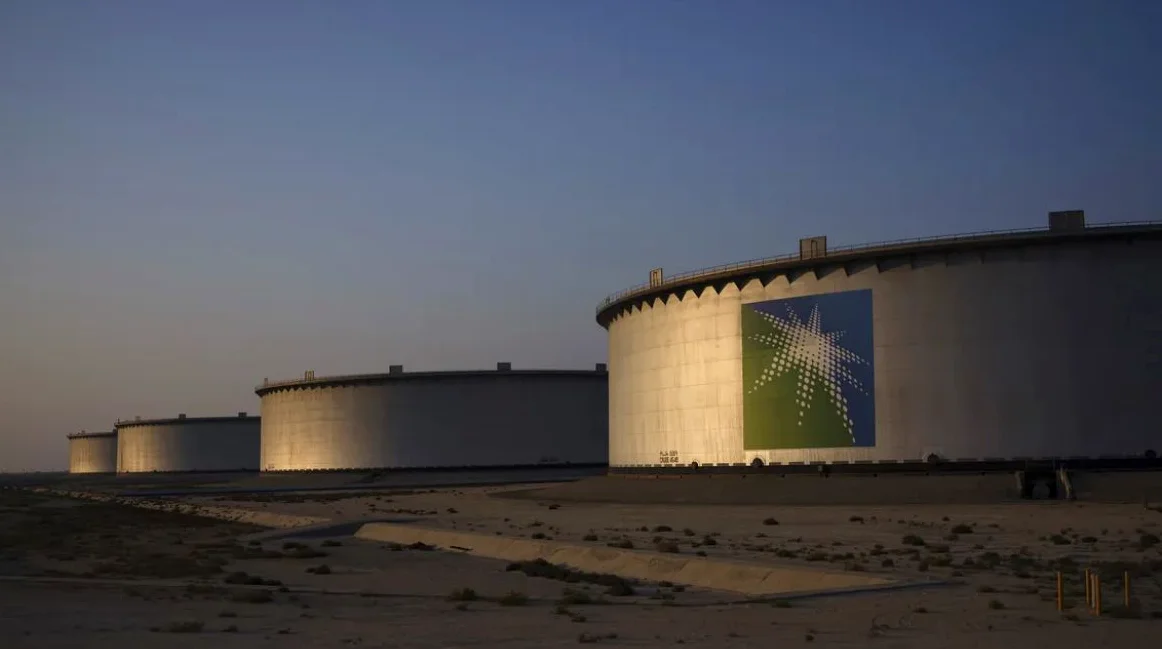
The Saudi Energy Ministry has confirmed that a fire at the Ras Tanura refinery, one of the world’s largest oil processing facilities, is now fully under control with no impact on oil supplies or production. The incident, which occurred at the sprawling facility operated by Saudi Aramco, was described as a minor event that did not disrupt the refinery’s operations or the country’s oil exports.
Incident Details and Response
According to the ministry, the fire was quickly contained and did not affect crude oil production, refining output, or the export of refined petroleum products. The incident reportedly involved a drone-related event, though the ministry did not provide further details on the cause or origin of the fire. Ras Tanura, located on the eastern coast of Saudi Arabia, is one of the largest oil refineries in the world, processing over 500,000 barrels of crude oil per day.
The ministry’s statement aimed to reassure global markets and energy traders, who have been closely watching developments in the region due to heightened geopolitical tensions. The refinery plays a crucial role in Saudi Arabia’s energy exports, with more than 60% of its crude oil production destined for international markets.
Impact on Global Energy Markets
Energy markets have remained relatively stable following the incident, with oil prices showing minimal fluctuations. Brent crude futures were trading near $85 per barrel, a slight increase from earlier in the week but well below levels seen during previous geopolitical crises. Analysts noted that the quick response by Saudi Aramco and the lack of production disruption helped maintain market confidence.
‘The incident, while concerning, was contained quickly and did not pose a significant threat to global energy supplies,’ said James Carter, an energy analyst with Global Energy Insights. ‘Saudi Arabia’s oil infrastructure is highly resilient, and the country has demonstrated its ability to manage such events without major disruptions.’
Ras Tanura is one of the key facilities in Saudi Aramco’s network, which includes more than 10 refineries across the country. The facility’s output is critical to maintaining the kingdom’s position as the world’s largest oil exporter, with daily crude oil production averaging around 10 million barrels.
Geopolitical Context and Future Outlook
The incident comes amid rising tensions in the Middle East, with several nations increasing their military postures in the region. The involvement of drones has raised concerns about the potential for more frequent attacks on critical energy infrastructure. However, the Saudi government has not indicated any immediate plans for increased security measures at the refinery, stating that existing protocols are sufficient.
Officials at the Saudi Energy Ministry reiterated that the refinery’s operations remain unaffected and that production capacity is at full strength. The ministry also confirmed that no injuries were reported as a result of the fire, and no environmental damage has been detected at the site.
Looking ahead, the focus will remain on maintaining stability in the region and ensuring the uninterrupted flow of oil and refined products. With the global energy transition continuing, the importance of reliable oil supplies remains a key concern for both producers and consumers.
‘The incident serves as a reminder of the vulnerabilities in global energy infrastructure,’ said Dr. Aisha Al-Mansouri, an energy policy expert at the Gulf Institute for Research and Policy. ‘While Saudi Arabia has shown its ability to manage such events, the long-term implications of increased drone activity and regional instability remain to be seen.’
Saudi Aramco has not released a detailed report on the incident, but the company has stated that it is continuing to monitor the situation closely and will provide updates if necessary. The incident is expected to be reviewed in a coming internal report, though no official deadline has been announced for its release.





Comments
No comments yet
Be the first to share your thoughts