

 The Guardian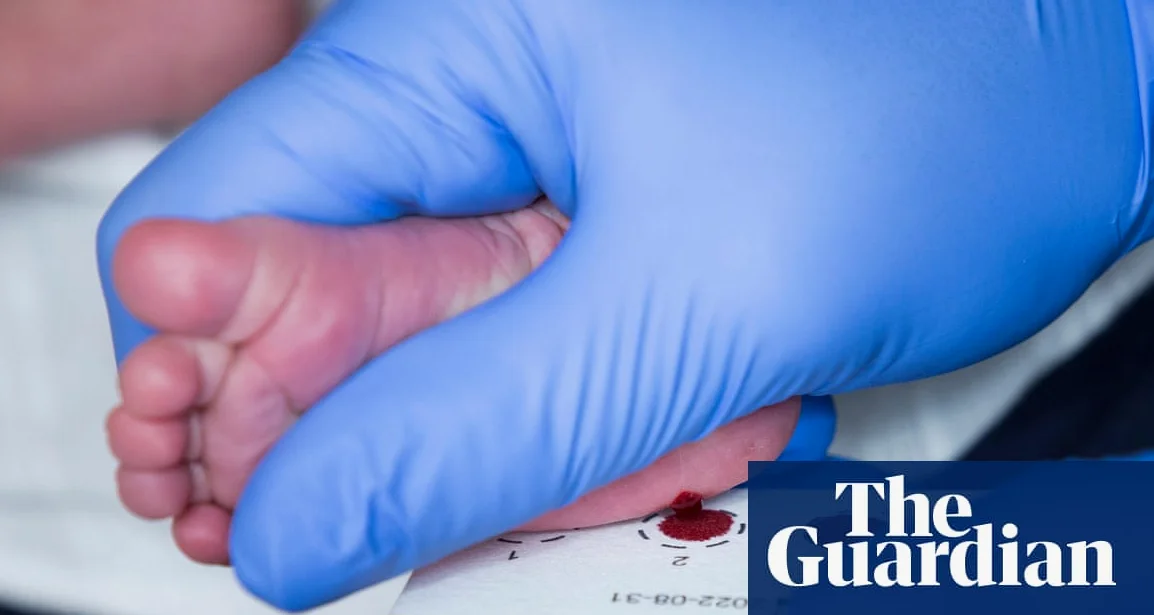
Scotland has become the first part of the UK to screen newborn babies for spinal muscular atrophy (SMA), a rare genetic condition that causes progressive muscle wastage. The move comes after years of advocacy from campaigners who argue that early detection is critical for treatment outcomes; the pilot program is expected to influence future decisions on whether the heel prick test should be adopted across the UK.
Impact on Early Detection and Treatment
SMA affects an estimated 1 in 14,000 births worldwide and can limit life expectancy to two years without treatment; the condition impacts movement, breathing, and swallowing, and it is often diagnosed only after symptoms appear. This delay can significantly reduce treatment options, as nerve cell damage is irreversible once symptoms manifest.
The former Little Mix singer Jesy Nelson brought attention to SMA after revealing in January that her twin daughters, born prematurely in May 2025, had been diagnosed with the condition. Nelson described the diagnostic process as “the most gruelling three, four months, and endless appointments” before her children were identified with SMA type 1, which accounts for about 60% of all cases.
Nelson’s advocacy led to a petition calling for SMA to be added to postbirth baby checks in the UK. The petition passed 100,000 signatures in February and will be debated in the Commons. Her efforts have been instrumental in pushing the Scottish government to take action, and now all parents in Scotland are offered SMA screening for their newborns through the existing heel prick test, which is taken about four days after birth.
Collaboration with Pharmaceutical Companies
The Scottish government and pharmaceutical company Novartis are funding a two-year evaluation to assess how well the screening program can detect SMA earlier; this data is expected to provide evidence that could convince the UK National Screening Committee to approve similar testing across the UK.
On average. Three to four babies a year are born with SMA in Scotland; Although there is no cure for the condition, there are now three NHS-funded drug treatments available. Giles Lomax. The chief executive of the charity SMA UK, said the screening pilot in Scotland would be “a huge impetus for other parts of the UK to speed up their own testing plans.”.
Lomax emphasized the urgency of early diagnosis, noting that “every month another four babies are diagnosed with SMA and the clock is always ticking.” He added that with all three treatments now routinely available through NHS Scotland alongside newborn screening, the future for those diagnosed with SMA is much more hopeful than it was in the past.
Personal Stories and Advocacy
The impact of SMA on families is starkly illustrated by the story of Grayce Pearson, a three-year-old from Glasgow who was diagnosed with SMA type 2 at 14 months old. Her parents. Tony and Carrie. Described the emotional toll of the diagnosis, as well as the challenges of handling the healthcare system to get the right treatment.
Carrie said she was initially dismissed when she raised concerns about her baby’s decline in movement. “A child just doesn’t stop being able to physically move her legs altogether,” she said. Grayce was eventually diagnosed with SMA type 2, which is less severe than SMA type 1. However, she missed out on gene therapy, which could have helped her achieve key developmental milestones.
Grayce is now on medication that improves her symptoms, and she is able to twist around and reach for things, something she could not do at all before. Her parents have been campaigning for SMA to be added to the conditions screened for in the heel prick testing offered to newborns. “As soon as that baby is born, if the parents find out their children have got SMA they can start gene therapy and show little to no symptoms,” Tony said.
Grayce’s parents continue to advocate for early screening, hoping to save other families from the fear and uncertainty they experienced. “For what we’ve had to go through, I just want other parents to be saved that scary moment of diagnosis,” Tony said.
The Scottish Newborn Screening Laboratory in Glasgow tests about 50,000 heel prick samples every year. Until now, it has tested for 1 in 40 people who carry the altered gene for SMA, meaning that when two people with the gene have a baby, there is a one-in-four chance that the child will have SMA.
With the new screening program in place, the hope is that more children will be diagnosed early and receive the treatment they need. The pilot program in Scotland is expected to provide valuable data that could influence future decisions on national screening policies.






Comments
No comments yet
Be the first to share your thoughts