

 The Guardian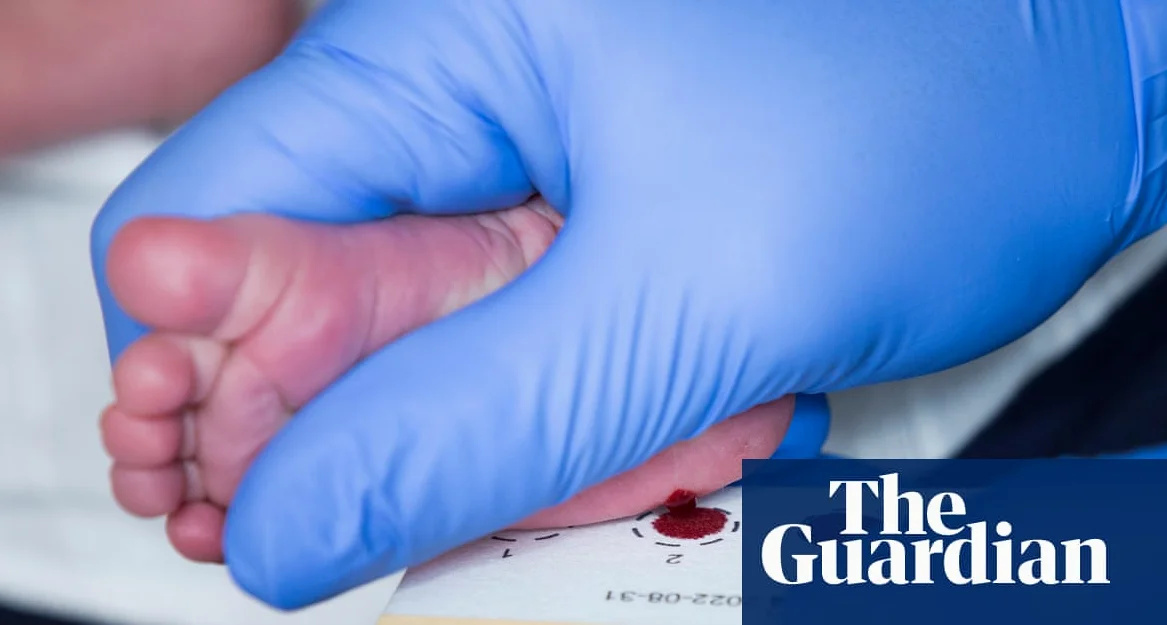
Scotland has become the first part of the UK to screen newborns for spinal muscular atrophy (SMA), a rare genetic condition that causes progressive muscle wastage. The move marks a significant shift in neonatal healthcare and has been hailed as a milestone by campaigners and medical professionals alike.
Early Detection Changes Outcomes
The Scottish government has introduced SMA screening as part of the existing heel prick test, which is administered about four days after birth — this screening is now available to all parents in Scotland. Campaigners have long advocated for this measure, emphasizing that early detection is serious for treatment outcomes, though Without early identification, SMA can severely limit life expectancy, with untreated cases potentially leading to a life span of just two years.
SMA affects an estimated 1 in 14,000 births worldwide. It impacts movement, breathing, and swallowing, and is caused by a mutation in the SMN1 gene. There is no cure for the condition, but three NHS-funded drug treatments are now available in Scotland. These treatments can significantly improve quality of life and extend life expectancy for those diagnosed early.
Early diagnosis allows for the initiation of therapies such as gene therapy, which can prevent or slow the progression of the disease. The Scottish government and pharmaceutical company Novartis are funding a two-year evaluation to assess the effectiveness of the screening program in detecting SMA earlier, allowing for prompt treatment.
A Personal Fight for Change
The condition has gained wider public attention due to the efforts of Jesy Nelson, a former member of the pop group Little Mix. In January, she revealed that her twin daughters, born prematurely in May 2025, had been diagnosed with SMA. Nelson described the diagnostic process as “the most gruelling three, four months, and endless appointments.” Her twin daughters have SMA type 1, which accounts for about 60% of all SMA cases.
Nelson has been a vocal advocate for SMA screening, and her petition calling for the condition to be included in postbirth baby checks in other parts of the UK passed 100,000 signatures in February. The petition will be debated in the House of Commons. Her advocacy has brought national attention to the issue and has helped push the Scottish government to act.
Grayce Pearson, now three years old, was diagnosed with SMA type 2 when she was 14 months old. Her parents, Tony and Carrie, described the early signs of the disease as subtle but alarming. “Overnight she stopped kicking her legs and wasn’t attempting to crawl,” Tony said. Grayce’s diagnosis came after a series of appointments and concerns about her mobility, which were initially dismissed by medical professionals.
Grayce’s parents have since been campaigning for SMA to be included in the heel prick test. “If the parents find out their children have got SMA, they can start gene therapy and show little to no symptoms,” Tony said. He emphasized the importance of early diagnosis, which could have changed Grayce’s outcome had the test been available earlier.
A National Model for Screening
Giles Lomax, the chief executive of the charity SMA UK, said the Scottish pilot would be “a huge impetus for other parts of the UK to speed up their own testing plans.” The Scottish government’s initiative is seen as a potential model for the rest of the UK, as it provides real-world data on the effectiveness of early screening.
On average, three to four babies a year are born with SMA in Scotland. The Scottish Newborn Screening Laboratory in Glasgow tests about 50,000 heel prick samples every year. Until now, it has tested for a variety of conditions, including metabolic disorders and hearing loss. The addition of SMA screening is a significant expansion of the program.
The UK National Screening Committee is expected to review the data from the Scottish pilot in the coming years. If the results are positive, the committee may approve a nationwide rollout of SMA screening. This would mark a major step forward in neonatal healthcare across the UK.
The condition is rare, but an estimated 1 in 40 people carry the altered gene. This means that when two people with the gene have a baby, there is a one-in-four chance that the child will have SMA. This highlights the importance of genetic screening and counseling for prospective parents.
Grayce’s parents continue to advocate for early screening, emphasizing that early diagnosis can make a life-changing difference. “After two years on the medication, they don’t tend to see progression after that,” Tony said. “As a parent, you remain optimistic about what you physically can do.”
The Scottish government’s decision to implement SMA screening reflects a growing awareness of the importance of early intervention in rare diseases. As the pilot program progresses, the data collected will be critical in shaping future healthcare policies across the UK.






Comments
No comments yet
Be the first to share your thoughts