

 The Guardian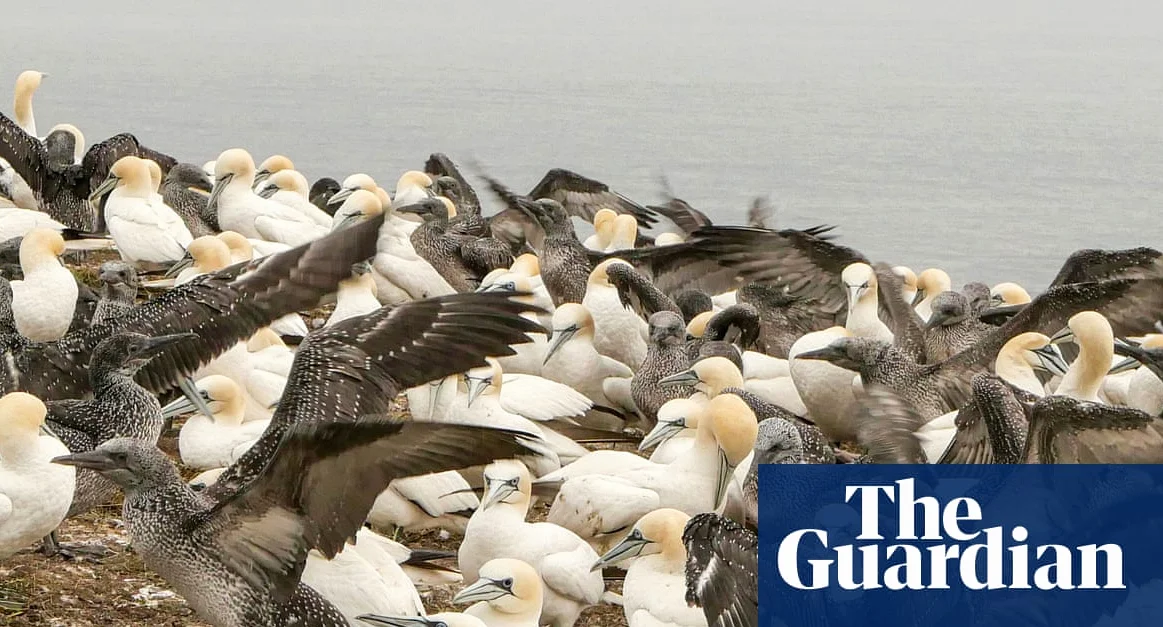
A new peer-reviewed study has found a dramatic decrease in levels of some of the most dangerous Pfas compounds in the eggs of northern gannets in Canada’s St Lawrence Seaway basin over a 55-year period. The study highlights how regulations are proving effective in reducing exposure to these harmful chemicals.
Regulatory Changes and Industry Shifts
The rise in Pfas levels from the 1960s to the late 1990s and early 2000s was followed by a significant decline; this decline coincided with regulatory scrutiny and changes in the chemical industry. The chemical giant 3M. A major producer of Pfas. Began moving away from Pfos. One of its most common and toxic compounds — By 2015, major chemical manufacturers reached an agreement with the US Environment Protection Agency to phase out both Pfos and Pfoa, another problematic compound.
Raphael Lavoie, a co-author and ecotoxicologist with Environment and Climate Change Canada, described the findings as “good news.” He noted the drop from peak levels to a more manageable range, indicating that regulations are having a positive impact.
Health Risks and Environmental Impact
Pfas, a class of at least 16,000 chemicals, are commonly used to make products resistant to water, stains, and heat. Known as “forever chemicals” due to their persistence in the environment, they are linked to various health issues such as cancer, thyroid disease, kidney problems, and decreased immunity.
The study used data from eggs collected on remote Bonaventure Island, home to North America’s largest northern gannet colony. Levels of Pfos in the eggs dropped from a peak of 100 parts per billion (ppb) to 26ppb by 2024, a 74% decrease. Pfoa levels declined by about 40% over the same period, though they recently increased slightly. Another toxic Pfas compound, PFHxS, dropped from 0.69 to 0.19ppb, a 72% reduction.
During the period of sharp Pfas production increases between 1969 and the mid-1990s, these chemicals were used in various applications, including firefighting foams and stain guards. The lack of regulatory oversight led to rapid accumulation in the environment, posing risks to wildlife like the northern gannet. The St Lawrence Seaway basin, which received water pollution from manufacturing centers in the upper Midwest around the Great Lakes, exposed the birds to high levels of these chemicals, according to Lavoie.
Continued Risks and New Challenges
Despite the positive findings, the study also highlights ongoing challenges. Chemical manufacturers have shifted to a newer generation of smaller Pfas compounds, which still pose environmental and wildlife risks. Although the levels of these new compounds may be rising, they are more difficult to measure in bird eggs because they do not accumulate in wildlife as much, Lavoie explained.
And, compounds like Pfos persist in the environment and in animals’ bodies for decades, meaning contamination of the birds and their habitat will likely continue. The study authors emphasize the need to maintain scientific and regulatory vigilance to address these long-term challenges.






Comments
No comments yet
Be the first to share your thoughts