

 Al Jazeera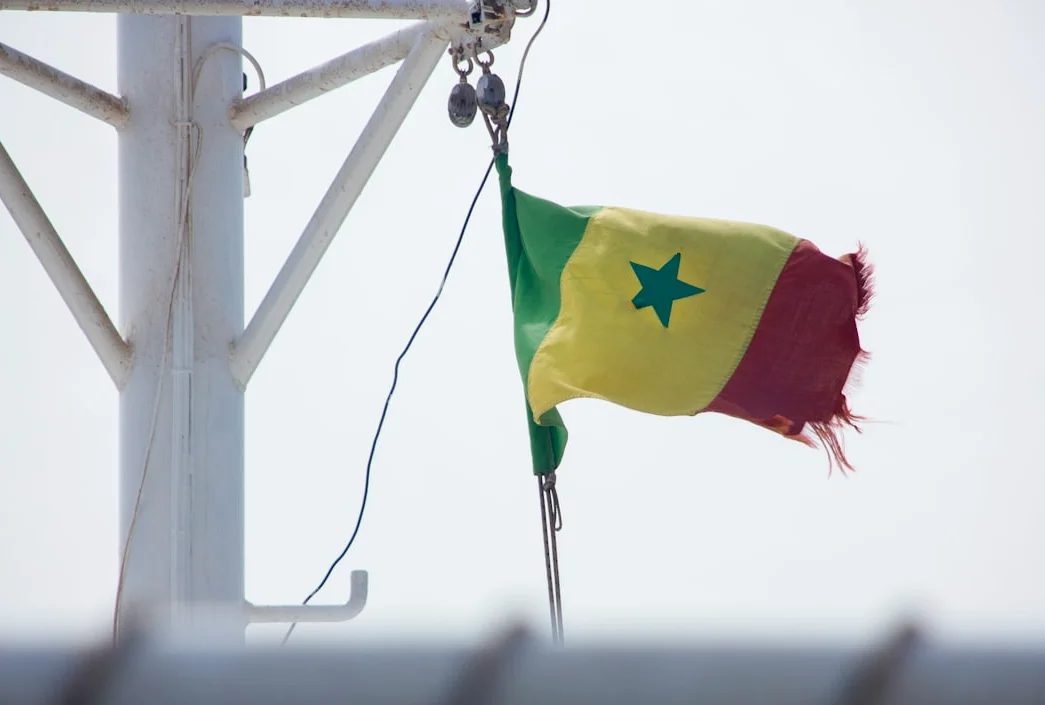
Dakar, Senegal – The silence came before kickoff. Not from fear but anticipation, a nation holding its breath.
Across Dakar, radios crackled from open windows. Men gathered shoulder to shoulder in cafes, their eyes fixed on flickering television screens. Families crowded into living rooms. Friends leaned over phones, tea growing cold as conversation gave way to concentration.
Early Triumph, Premature Celebration
The city’s usual rhythm, horns, its markets, its arguments, its laughter, did not disappear. It simply yielded to something larger. Senegal were in the first knockout round of the World Cup, playing against Belgium.
On the 25th-minute mark of the game, the boy from the suburbs of Dakar, Habib Diarra, delivered the nation from its anxiety, sweeping a loose ball beyond the Belgian goalkeeper: 1-0 to Senegal.
Eight thousand kilometres away from the game in Seattle, the United States, Dakar became the stadium. The celebrations only grew after Senegal scored a second goal early in the second half. Confidence turned into complacency. Five minutes from full-time, car horns blared and firecrackers echoed through the night. Victory was near.
Belgium’s Comeback Shatters Hopes
But the celebrations came too early. Belgium scored once. Then again. All in the space of five minutes, completing an astonishing comeback. And then, in the final minutes of extra-time, Senegal gave away a penalty: 3-2 to Belgium.
A day later, the silence remains. Not quite mourning, but more disbelief. “It’s incomprehensible,” says former Senegal international footballer Ferdinand Coly. “When you control a match with such quality until the 85th minute, you have to finish it. But psychologically, everything changed.”
Coly believes the turning point was not Belgium’s resurgence, but the Senegal coaching team’s decisions. “The substitutions completely changed the midfield. There was no reason to make them. Once Belgium scored, they gained the psychological advantage. Senegal became fragile. They retreated, played with fear, and never recovered.”
Coly was part of Senegal’s 2002 World Cup squad, the team that famously stunned France in the tournament’s opening match. “It’s never over… until the final whistle,” he said, reflecting on Belgium’s dramatic comeback.
Broader National Reflection
Since retiring, Coly has swapped his football boots for farming. He has also worked with the Senegalese Football Federation, and believes the national team has lost sight of the basics. For him, the problem is not talent but preparation. He criticises what he sees as an over-reliance on data, statistics, and performance apps, instead of building a coherent team identity and developing a clear tactical strategy.
As Belgium searched for an equaliser, their coach was still scribbling notes on a sheet of paper, adjusting and reacting until the very last minute. “What a contrast!” Coly said. “We’re relying on technology when football is still about reading the game, adapting and thinking.”
Football is rarely just football. This World Cup – meant to unite, has revealed the deep inequalities beyond the stands. A nation may be united in victory. But when the referee blows the final whistle, another game begins: the blame game.
Football is opium for the masses, says Coly. It has become one of the few moments when political loyalties disappear. For 90 minutes, everyone wears the same colours.




Comments
No comments yet
Be the first to share your thoughts