

The Jamaican government is moving forward with a major upgrade to the Soapberry Wastewater Treatment Plant, a key infrastructure project that could unlock real estate growth across the south coast and improve environmental sustainability. The plan involves a public-private partnership to increase the plant’s capacity from 75,000 to 150,000 cubic metres of wastewater per day, with a projected investment of between US$100 million and US$150 million.
Unlocking Real Estate Potential
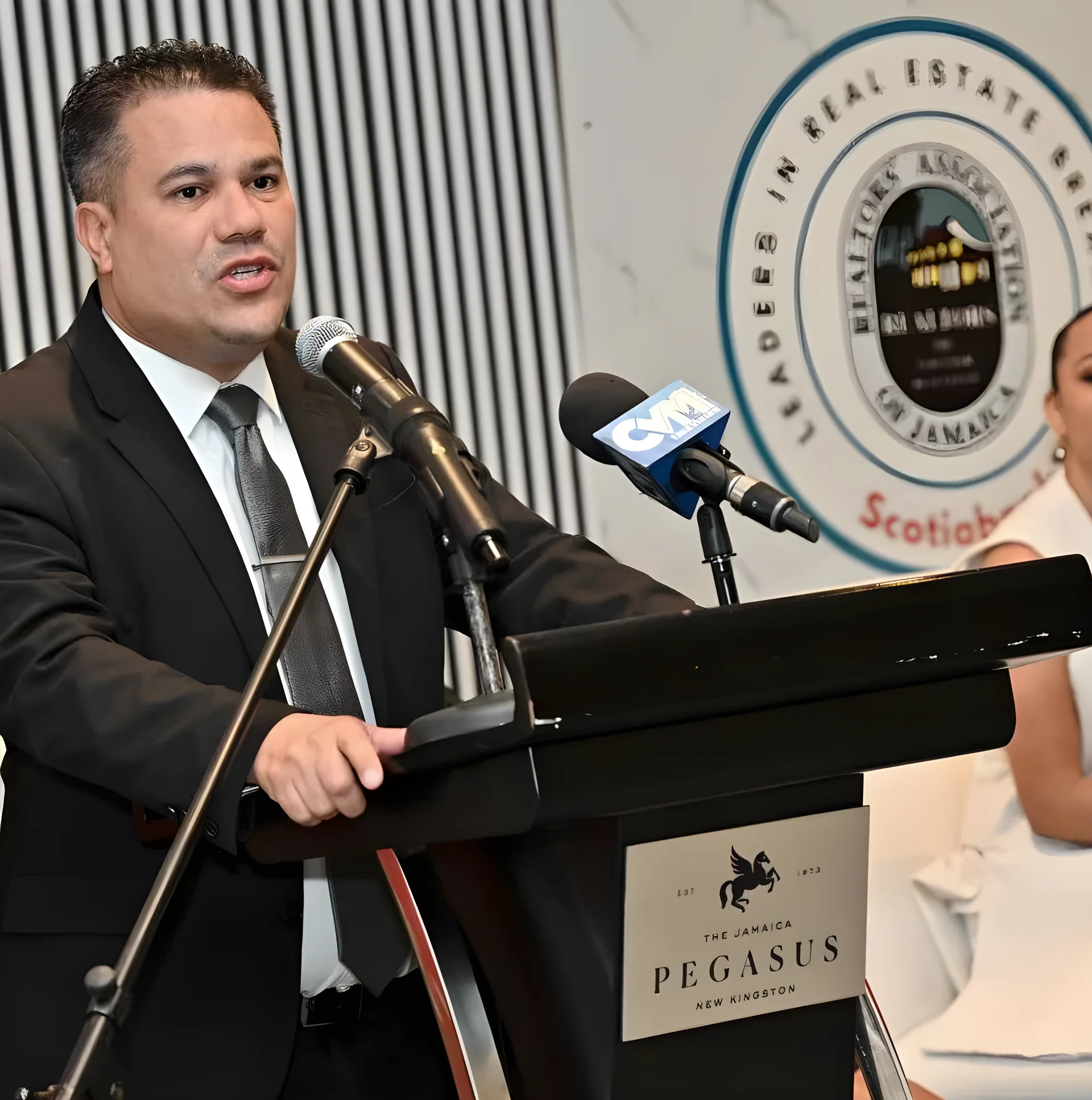
Minister without portfolio in the Ministry of Economic Growth and Job Creation, Matthew Samuda, confirmed the government’s intention to divest the plant and initiate the expansion. Speaking at the Realtors Association of Jamaica’s Leaders in Real Estate breakfast, Samuda emphasized that the project would enable real estate development from Clarendon to St Thomas, regions where nearly two-thirds of Jamaica’s 2.7 million population reside.
Samuda noted that the upgrade would move the Soapberry plant from a secondary to a tertiary treatment facility, a critical step in protecting Kingston Harbour. ‘The Kingston Harbour can only truly be blue with tertiary treatment at the Soapberry treatment plant,’ he said, highlighting the environmental and economic benefits of the project.
The upgrade is expected to facilitate the recycling of effluent and the development of renewable energy, such as solar and wind, which the Development Bank of Jamaica (DBJ) says will enhance the environmental sustainability and resilience of the facility. The DBJ, which manages government asset divestments, outlined these benefits in its official documentation.
Public-Private Partnership and Environmental Impact
The divestment is part of a 20-year public-private partnership aimed at addressing Jamaica’s growing wastewater management needs. Currently, Soapberry treats wastewater from sections of Portmore in St Catherine, Kingston, and St Andrew (KSA). The National Water Commission has projected a significant increase in wastewater flows from the KSA, necessitating the expansion to 150,000 cubic metres per day.
According to the DBJ, the project will not only meet the rising demand for wastewater treatment but also provide opportunities for renewable energy development. ‘The project will provide potential and opportunities for the recycling of effluent and the development of renewable energy, i.e., solar and wind, which will result in the environmental sustainability and resilience of the constructed facility,’ the DBJ noted on its website.
The environmental impact of the upgrade is significant, particularly for the Kingston Harbour, which is a vital ecological and economic asset. Samuda stressed that the tertiary treatment will ensure the harbor’s water quality meets international standards, which could have long-term benefits for tourism, marine life, and local communities.
Broader Water Infrastructure Plans
Samuda also outlined additional plans to address Kingston’s long-term water challenges. These include completing the Rio Cobre Water Treatment Plant in Content, St Catherine, which is expected to provide an additional 15 million gallons of water daily to around 600,000 residents in Kingston and St Andrew.
Other initiatives include installing a new water line from Ferry in St Catherine to Cooper’s Hill in St Andrew, and finalizing the transaction design for the new Hermitage Dam. Samuda stated that these projects will ensure that Kingston and St Andrew become ‘water resilient and drought resistant in 18 months.’
The Soapberry upgrade is part of a broader strategy to modernize Jamaica’s water infrastructure, support real estate development, and enhance environmental sustainability. With the divestment expected to begin this year, the government hopes to attract private sector investment and create a foundation for long-term economic growth.






Comments
No comments yet
Be the first to share your thoughts