

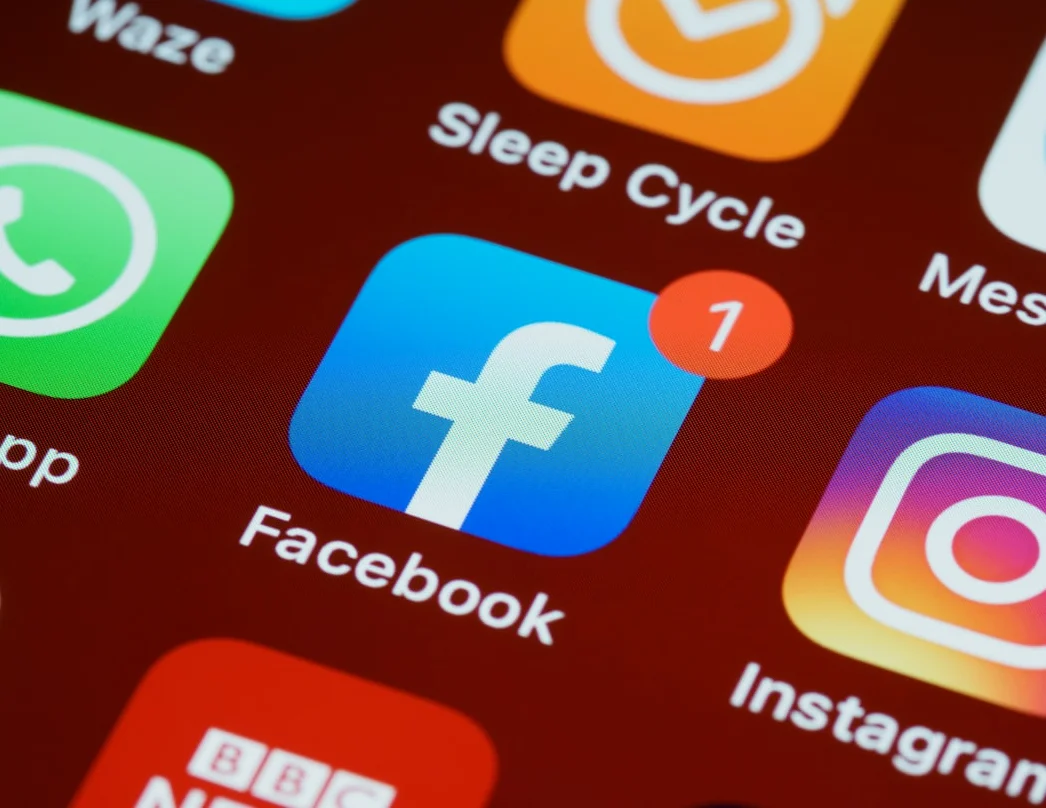
The U.S. jury found Meta and Google negligent in a trial examining the role of social media platforms in contributing to social media addiction, a verdict that could reshape regulatory approaches to digital content and user well-being. According to The New York Times. The decision comes amid growing concerns over the psychological effects of prolonged social media use, particularly on younger users.
Legal Precedent and Corporate Responsibility
The verdict is the first of its kind, setting a legal precedent that could lead to stricter regulations on tech companies. The New York Times reported that the jury ruled that both companies failed to adequately address the risks of social media addiction, despite being aware of the potential harms for years. The case was brought by a coalition of advocacy groups and affected users who claimed the companies knowingly designed platforms to be addictive.
According to NPR. The trial highlighted internal documents showing that both Meta and Google were aware of the addictive nature of their platforms as early as 2015. These documents were obtained through a series of lawsuits and whistleblower testimonies, which revealed that engineers had raised concerns about the psychological impact of features like infinite scrolling and algorithm-driven content recommendations.
In a statement, a representative for Meta said, ‘We are reviewing the jury’s decision and will consider all legal options moving forward. Our commitment is to provide safe and beneficial experiences for all users.’ Google has yet to issue a formal response, but internal emails suggest that executives were aware of the risks but prioritized user engagement over long-term well-being.
Public Reaction and Policy Implications
The ruling has sparked a wave of public interest and debate across the United States and Europe. The BBC reported that Silicon Valley is in a state of unease, with some executives expressing concern over the potential for increased regulatory scrutiny. ‘We’re having a moment,’ one tech executive told the BBC, ‘where the fear of legal consequences is starting to outweigh the denial that social media addiction is a real issue.’
In Germany, Kurier highlighted the broader implications of the verdict, noting that the classification of social media as a ‘suchtfaktor’ (addictive factor) could influence public health policies in Europe. The newspaper also pointed out that the German government has already introduced measures to limit screen time for minors, and this verdict could accelerate such efforts.
Meanwhile, in Spain, TradingView reported that the uncertainty surrounding the case has caused a ripple effect in financial markets, with investors speculating on the potential costs of increased regulation for tech companies. The article noted that the uncertainty has led to a slight dip in the stocks of both Meta and Google, though the impact is still being assessed.
Global Perspectives and Local Impact
The case has also drawn attention from international observers, with some European countries expressing support for the legal action. In France, for example, lawmakers have called for similar trials against major tech firms, citing the need to protect vulnerable users from the harms of digital addiction.
According to Kurier, the impact of the verdict is being felt most acutely in schools and among parents, who are now more likely to advocate for digital literacy programs and stricter content moderation. ‘The number of teenagers who avoid alcohol is rising, but now we’re seeing a similar trend with social media,’ one educator told the newspaper. ‘We need to address this as a public health issue.’
In the United States, the verdict has also been welcomed by advocacy groups. ‘This is a turning point,’ said one representative from the Center for Digital Ethics. ‘It sends a clear message that tech companies can no longer ignore the consequences of their products on user behavior.’
What’s Next for Tech Regulation
The ruling is expected to prompt a wave of new lawsuits and regulatory actions against major tech firms. According to The New York Times, several states are already considering legislation that would require social media companies to implement more effective safeguards against addiction. These measures could include mandatory user limits, increased transparency in content algorithms, and stricter age verification processes.
Industry analysts predict that the verdict could also lead to a reevaluation of corporate policies within the tech sector. TradingView noted that some companies are already exploring alternative business models that prioritize user well-being over engagement metrics. ‘The pressure is mounting,’ one analyst said. ‘Tech companies are realizing that they can no longer afford to ignore the long-term consequences of their products.’
As the legal battle unfolds, the case will likely serve as a blueprint for future litigation and regulatory action. With the global conversation on digital addiction gaining momentum, the outcome of this trial could have far-reaching implications for the future of the tech industry.
Why It Matters
The verdict in this landmark trial signals a growing shift in how society views the role of technology in public health. As more people become aware of the potential harms of prolonged social media use, the pressure on tech companies to take responsibility for their products is likely to increase. This case could serve as a catalyst for broader reforms in digital policy, affecting everything from content moderation to user engagement strategies.
For users, the ruling could mean greater accountability from tech companies, leading to safer and more transparent digital environments. For policymakers, it presents an opportunity to shape the future of digital regulation in a way that prioritizes long-term well-being over short-term profit.
As the world continues to grapple with the challenges of digital addiction, the outcome of this trial may prove to be a decisive moment in the ongoing debate over the role of technology in society.






Comments
No comments yet
Be the first to share your thoughts