

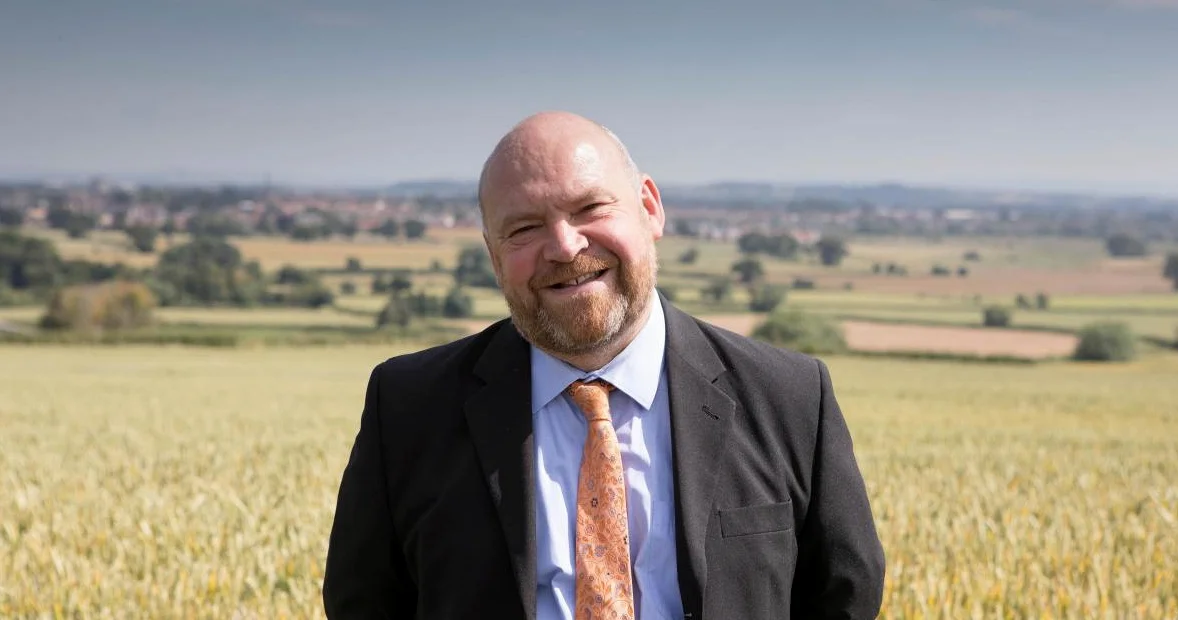
Somerset Council will propose a 4.99% council tax rise at its executive meeting and full council session on March 4. The increase brings the Band D property tax to about £1,950 from the current £1,857, according to Cllr Bill Revans, who chairs the council’s resources scrutiny committee.
Revans submitted figures to the government illustrating impacts of rises up to 5.9% over the referendum limit to hit a standardized £2,060 Band D rate. That level remains below neighbors like Wiltshire, Dorset, Devon, and Cornwall, as well as the national average. The gap stems from a six-year council tax freeze by the former Somerset County Council, which Revans called a ‘bizarre and irresponsible decision’ that pushed local services to the brink.
Media reports and opposition claims of an 11% request drew online petitions and public alarm. Revans dismissed those as ‘massive oversimplifications’ of local finance dynamics. Councils receive provisional settlements in mid-December, then consult and negotiate. This year, the government dropped rural service cost adjustments for everything but adult social care. Somerset lost £10 million in retained business rates due to economic growth since the 2013 reset.
Offsetting gains came from deprivation funding and a major win: 90% write-off of a £100 million-plus special educational needs deficit. Officials said this slashes borrowing needs and eases tax pressure. Without it, higher rises would have been unavoidable, Revans wrote.
Savings from the unitary council merger now top £50 million annually. These include £5 million from top salaries and £33 million by cutting over 550 staff through early retirements, voluntary redundancies, vacancy management, and interim hires. The approach preserved experience and avoided pricier compulsory cuts. A two-year IT freeze ends now with new investments to sustain efficiency.
Ring-fenced grants limit flexibility. Towns Deals, Levelling Up, Future High Streets, EV chargers, and active travel funds must stay on target, blocking shifts to pothole repairs despite public demands. Revans outlined ‘transformation’ strategies: tech upgrades, prevention to curb care demand, competitive supplier markets, data-driven early interventions. Each pound invested aims to save at least £3.
External expertise and temporary staff support these shifts, fueling headlines on consultants. Protecting frontline services in leisure, environment, transport, and highways remains priority. The council declared a financial emergency to dodge bankruptcy and a section 114 notice, which would install costly commissioners and trigger double-digit tax hikes.
A budget gap persists. Revans stressed ongoing work to close it without slashing valued services.






Comments
No comments yet
Be the first to share your thoughts