

South Africa’s Department of International Relations and Cooperation (DIRCO) has launched an emergency response to assist its citizens who are currently stranded in the Gulf region, as tensions between Iran, Israel, and the United States continue to escalate.
Stranded Citizens in a Chaotic Region
DIRCO confirmed on Sunday that it is in direct contact with South Africans affected by the recent wave of airstrikes and retaliatory attacks in the Middle East. The situation has led to widespread airspace closures across the region, forcing airlines—including South African carriers—to cancel flights to and from the Gulf.
According to DIRCO, the primary concern is the safety of South African citizens who are unable to leave the region due to the closure of airspace and the ongoing military activity. As of now, no official casualty reports have been released, but the diplomatic push is focused on ensuring safe repatriation for those affected.
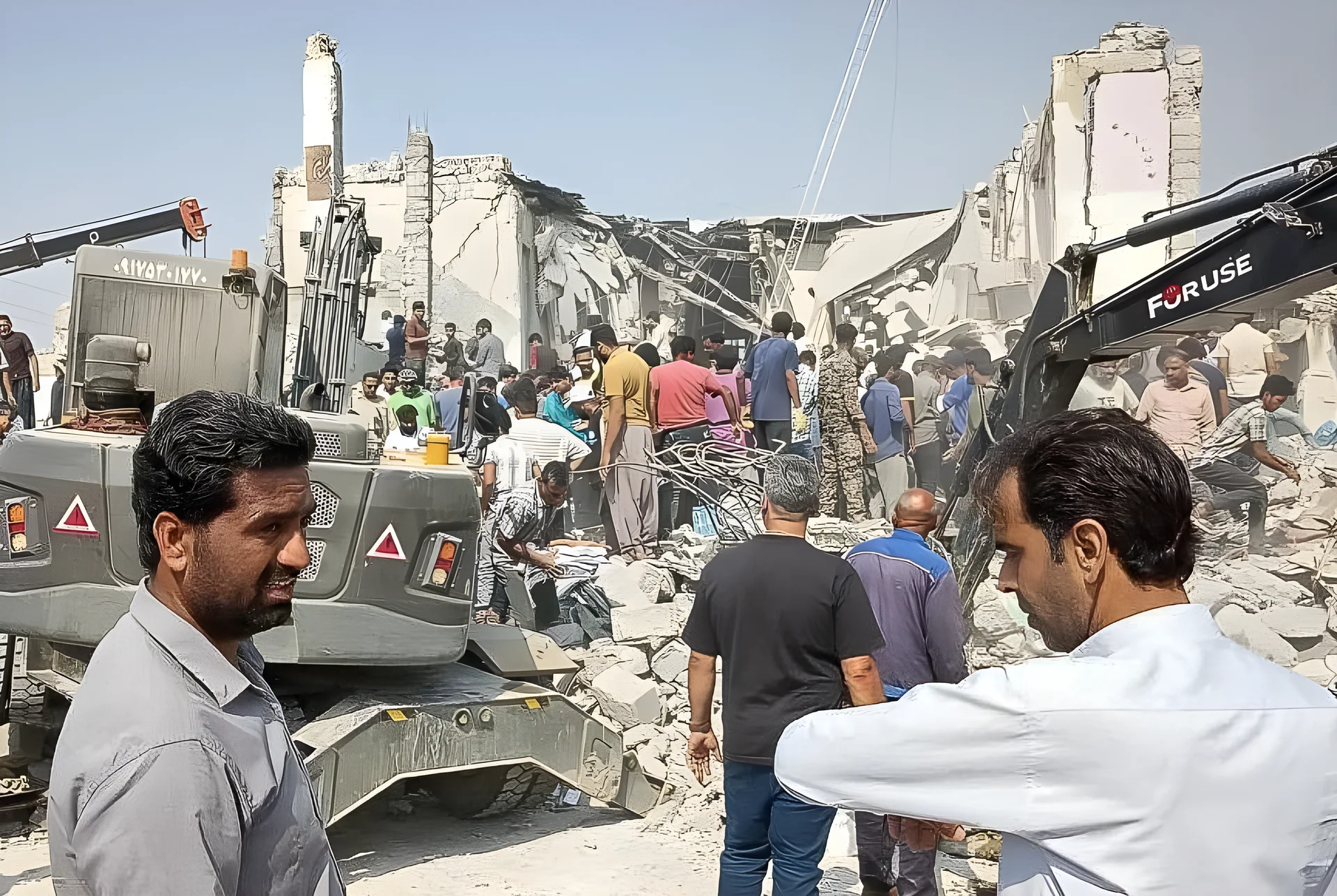
The United States and Israel launched strikes against Iran on February 28, with Israel’s public broadcaster reporting that Supreme Leader Ayatollah Ali Khamenei was a target. In response, Iran retaliated by launching barrages of missiles at Gulf states and Israel, further heightening the volatility of the region.
Disruptions in Air Travel and Evacuation Efforts
The conflict has led to significant disruptions in air travel across the Middle East. Airlines such as Emirates, Etihad, and Qatar Airways have suspended flights to and from several Gulf countries, citing safety concerns and the need to avoid the conflict zone.
South African Airways (SAA) has also canceled several international flights, including routes to Dubai, Riyadh, and Tehran. Officials from SAA stated that the cancellations are a precautionary measure to ensure the safety of passengers and crew amid the unpredictable security environment.
DIRCO has urged South Africans in the Gulf region to remain in contact with the department and to follow official updates regarding travel restrictions and repatriation plans. The department has also advised citizens to avoid non-essential travel to the region and to seek local consular assistance if needed.
According to the United Nations, more than 200,000 civilians have been displaced in the past two weeks due to the conflict, with many seeking refuge in neighboring countries. While the focus remains on military targets, the humanitarian impact is becoming increasingly apparent.
Regional Tensions and Historical Precedents
The current crisis has drawn comparisons to previous escalations in the Middle East, particularly the 2020 strikes between the U.S. and Iran, which led to a brief but intense period of military activity. However, this latest conflict has seen a broader range of actors involved, including Israel, and has resulted in more extensive air and ground operations.
Iran has long been a key player in the region’s geopolitical dynamics, with its support for various militias and groups across the Middle East. The recent strikes have raised concerns about the potential for a wider regional conflict, with Gulf states like Saudi Arabia and the United Arab Emirates also playing significant roles.
According to analysts, the involvement of Israel has added a new layer of complexity to the situation. Israel has been accused of targeting Iranian military sites, including a reported strike on a facility in the Hormozgan province, which is near the Iranian port city of Bandar Abbas.
DIRCO has emphasized that it is in constant communication with local embassies and consulates in the Gulf region to ensure the safety of South African citizens. The department has also been in contact with international partners, including the European Union and the United Nations, to coordinate a broader response to the crisis.
As the situation continues to develop, DIRCO has warned that further disruptions to air travel and repatriation efforts are likely. The department is preparing for a potential increase in the number of South Africans seeking assistance in the coming days.
While no official figures have been released regarding the number of South Africans affected, the diplomatic efforts are ongoing, and the situation remains fluid. The focus for now is on ensuring the safety and well-being of citizens in the region.






Comments
No comments yet
Be the first to share your thoughts