

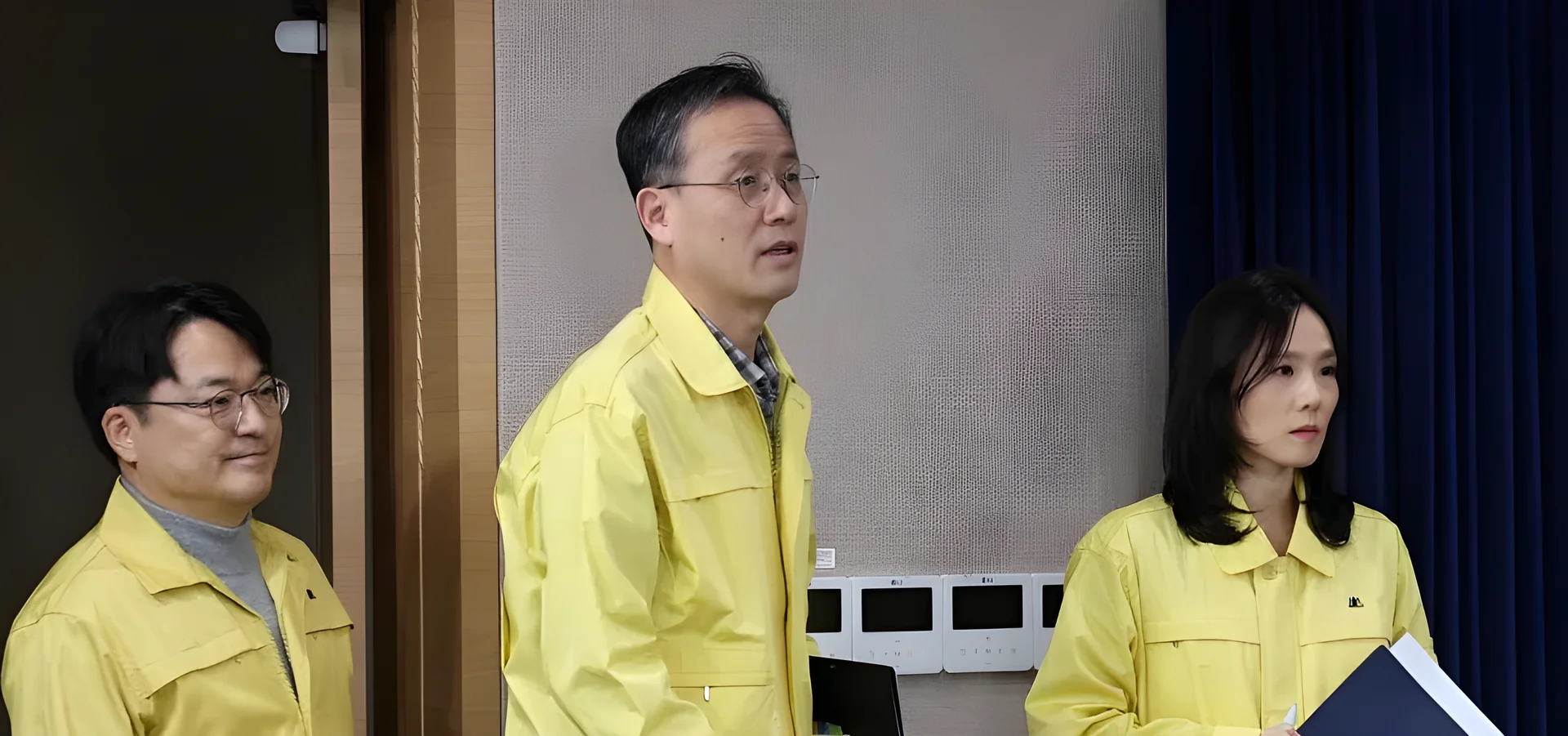
South Korea has announced plans to secure oil supplies outside the Middle East following the de facto closure of the Strait of Hormuz, a critical global oil shipping route, amid escalating tensions between Iran, Israel, and the U.S. The government has emphasized that it currently holds sufficient oil reserves to manage potential disruptions, but is preparing for a long-term scenario where the Hormuz strait remains closed.
Strategic Response to a Potentially Prolonged Crisis
The Ministry of Economy and Finance held an emergency meeting with related ministries to assess the impact of the Iran conflict on South Korea and to formulate a response strategy. Officials said that no safety issues have been reported for Korean vessels operating in the Middle East, but the government is preparing for the possibility of a full blockade of the Hormuz strait, which accounts for about 20% of global oil trade.
South Korea imports approximately 70.7% of its oil and 20.4% of its liquefied natural gas from the Middle East, according to the ministry. The country’s heavy reliance on Middle Eastern energy sources has prompted a push to diversify supply chains and secure alternative energy sources.
Iran’s Islamic Major Guard Corps declared the Strait of Hormuz closed on Monday, according to state media, and warned of attacks on any ships attempting to pass through the waterway. This move has raised concerns about global shipping and energy markets, with South Korea preparing to implement a market stabilization program worth at least 100 trillion won (US$68.4 billion) if needed.
Market Volatility and Economic Preparedness
The benchmark Korea Composite Stock Price Index (KOSPI) fell over 7% on Tuesday, reflecting growing concerns over the Iran crisis and its potential impact on global markets. International oil prices have shown volatility, though the pace of the price increase has slowed, according to the ministry.
The government has also pledged to respond sternly to any unfair market practices, including fake news operations that may attempt to exploit investor sentiment during the crisis. Vice Budget Minister Lim Ki-keun ordered officials to thoroughly monitor the status of government budget execution related to export firms, shipping companies, and overseas Korean nationals to minimize damage from the crisis.
Industry Minister Kim Jung-kwan convened a meeting on the Middle East crisis and decided to roll out preemptive support measures for some 1,000 exporting firms, mainly those shipping goods to the Middle East. The package includes export vouchers and liquidity support, according to his office.
On the energy supply front, Kim ordered officials to swiftly prepare for the release of oil reserves if the supply situation worsens, while working to secure alternative gas supplies from outside the Middle East. For now, however, the impact of the Iran conflict on South Korea’s energy supply, maritime logistics, and supply chains remains limited, he explained.
Long-Term Implications for Global Energy Markets
The closure of the Strait of Hormuz could have significant implications for global energy markets. The strait is a critical artery for oil exports from the Middle East, and any prolonged disruption could lead to a spike in global oil prices and increased volatility in financial markets.
South Korea’s strategic response highlights the growing concern among major economies about the fragility of global supply chains and the potential for geopolitical conflicts to disrupt energy markets. The government’s move to diversify oil imports outside the Middle East is expected to have long-term implications for the country’s energy policy and international trade relations.
Experts suggest that the situation could also lead to increased investment in alternative energy sources and greater emphasis on energy security in regional and global policy discussions. The U.S. and Israel have conducted strikes on Iran in recent weeks, escalating tensions and raising fears of a broader regional conflict.
As the situation evolves, South Korea will continue to monitor developments closely and take necessary measures to ensure the stability of its economy and energy supply. The government has emphasized its readiness to respond to any emerging challenges while maintaining its commitment to international cooperation and regional stability.




Comments
No comments yet
Be the first to share your thoughts