

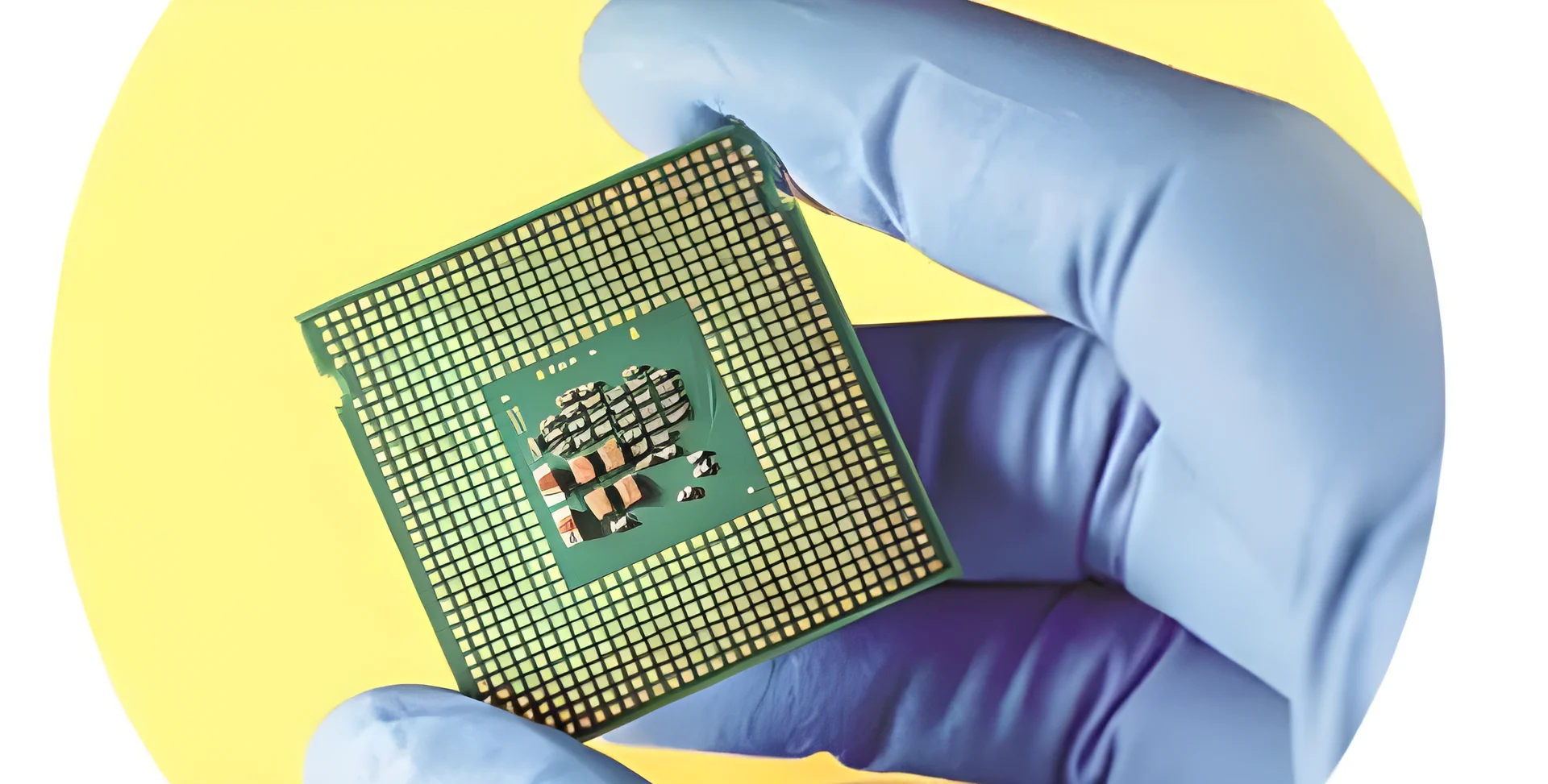
South Korean semiconductor manufacturers are growing increasingly concerned that the ongoing geopolitical tensions in the Middle East, particularly involving Iran, could disrupt the supply of helium—a critical material in chip production—and impact the expansion of AI data centres in the region.
Helium Shortages and Semiconductor Production
According to Kim Young-bae, a ruling party lawmaker who recently met with executives from Samsung Electronics and other industry leaders, the crisis could lead to supply chain disruptions for key materials like helium, which is essential for heat management during semiconductor manufacturing.
“Officials raised a possibility that semiconductor production could be disrupted if some of these key materials cannot be sourced from the Middle East,” Kim said during a press briefing. Helium currently has no viable alternative, making it a critical component in the chip manufacturing process.
SK Hynix, a major South Korean chipmaker, stated in a press release that it has sufficient helium inventory and does not anticipate procurement issues. However, Samsung Electronics has not commented on the matter.
Industry sources noted that chipmakers have been diversifying their material sourcing due to prolonged geopolitical tensions in the Middle East. Many companies have secured supplies in advance as a precautionary measure.
AI Data Centres and Geopolitical Risks
The potential disruption of AI data centre expansion plans in the Middle East is also a growing concern for South Korea’s chip industry. Kim Young-bae warned that the crisis could deal a setback to long-term data centre projects by major tech firms, which would affect chip demand.
“We say the semiconductor supercycle has arrived, but data centre plans are highly likely to be disrupted, potentially creating problems with chip demand,” Kim said.
Recent developments have underscored the risks. Amazon reported that some of its data centres in the United Arab Emirates and Bahrain were damaged by drone strikes linked to the Middle East conflict. This has raised questions about the pace of Big Tech’s expansion in the region.
U.S. tech giants like Microsoft and Nvidia have been positioning the UAE as a regional hub for artificial intelligence computing, essential for services like ChatGPT. However, the ongoing conflict could delay or alter these plans.
Energy Costs and Chip Prices
Chipmakers are also worried that the crisis could lead to a spike in energy costs, which would drive up production expenses and potentially increase chip prices. This could affect both domestic and international markets, where South Korea’s semiconductors are in high demand.
“The industry is watching the situation closely, as any prolonged disruption could have significant economic consequences,” said a senior industry analyst, who requested anonymity.
According to industry data, South Korea’s semiconductor exports reached $15.8 billion in the first quarter of 2024, a 12.3% increase from the same period last year. However, any supply chain disruptions could reverse this trend.
The crisis has also sparked discussions about the need for greater diversification of supply chains. Some experts suggest that investing in alternative sources of helium and other critical materials could help mitigate risks in the future.
As the situation in the Middle East continues to evolve, South Korea’s chipmakers are preparing for potential challenges while also looking for opportunities to strengthen their global supply chains.






Comments
No comments yet
Be the first to share your thoughts