

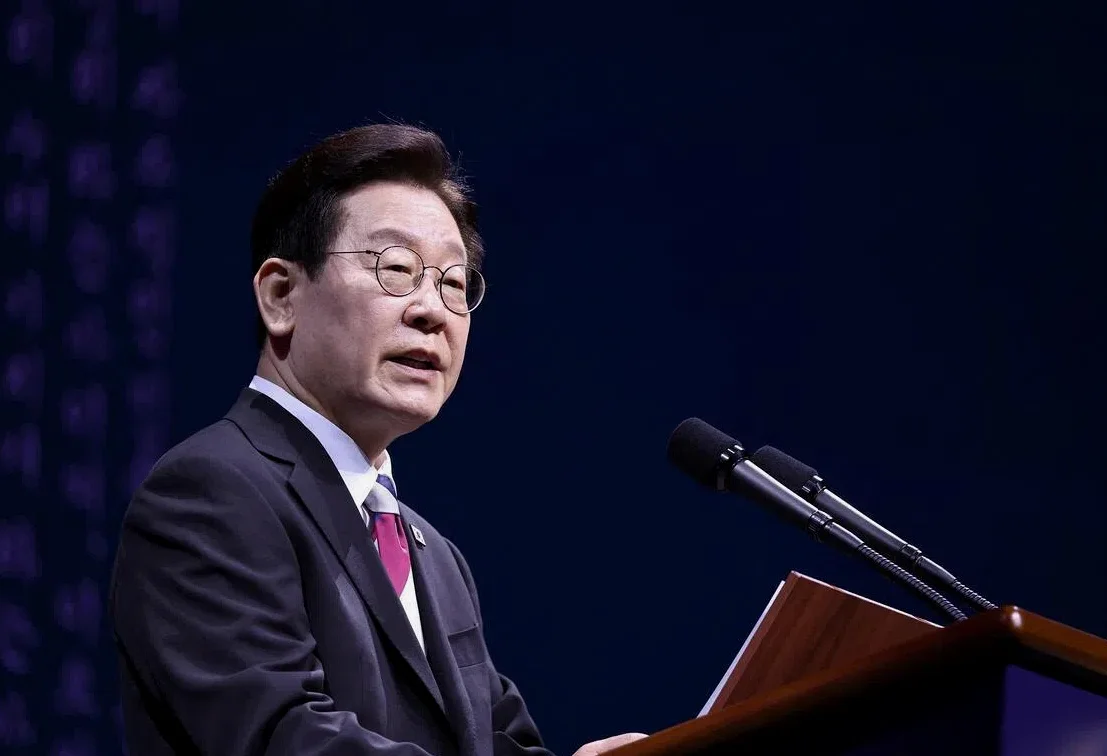
South Korean President Lee Jae Myung on March 1 urged Japan to sustain the recent warming of relations, calling for a ‘friendly new world’ built on mutual understanding and reciprocal visits between the two nations’ leaders. The remarks came during his first speech commemorating the 1919 Korean Independence Movement against Japan’s colonial rule since taking office.
Historical Context and Recent Developments
The speech marked a significant moment in South Korea’s diplomatic outreach to Japan, a country whose colonial rule over the Korean Peninsula from 1910 to 1945 continues to influence bilateral relations. Despite historical tensions, recent years have seen a noticeable improvement in ties between the two nations.
According to the speech, the two countries have established diplomatic relations since December 1965 and have since developed ‘close neighbours with a common front yard’ in diplomatic, economic, social, and cultural areas. Mr. Lee emphasized that the relationship has evolved over six decades and should continue to advance toward a ‘friendly new world based on genuine mutual understanding and empathy.’
During the speech, Mr. Lee referenced his recent visit to Japan, where he was hosted by Japanese Prime Minister Sanae Takaichi in Nara, her home prefecture in western Japan. This reciprocal visit was part of an ongoing effort to build trust and normalize relations between the two countries.
Regional Stability and Diplomatic Goals
Mr. Lee also highlighted the importance of regional stability in Northeast Asia, mentioning his visits to China and Japan in early 2026 to seek common ground among the three nations. He expressed a commitment to building a peaceful Korean Peninsula, emphasizing the need to resume talks with North Korea and implement measures to build mutual trust between the two Koreas.
‘We will make every effort to convert the armistice system to a peace regime by substantively easing tensions between the two Koreas and working with relevant countries,’ Mr. Lee said, according to KYODO NEWS.
The president’s remarks come amid a broader push for a more pragmatic foreign policy approach, reflecting the challenges posed by a rapidly shifting international landscape. He acknowledged the complexities of historical issues that still affect relations, particularly the legacy of Japan’s colonial rule and the unresolved concerns of victims and their families.
Japan’s colonial rule left deep scars on the Korean Peninsula, and these historical issues have long been a source of friction in bilateral relations. However, recent diplomatic efforts have sought to move beyond these historical grievances and focus on cooperation in areas such as trade, security, and cultural exchange.
Mr. Lee’s emphasis on a ‘friendly new world’ aligns with broader regional trends toward increased cooperation and multilateral engagement. With both countries facing shared security concerns, including North Korea’s nuclear program, there is a growing recognition of the need for closer coordination.
Looking Ahead
The coming months will be critical in determining the trajectory of South Korea-Japan relations. Mr. Lee’s government has set a clear goal of supporting mutual understanding and building a foundation for lasting peace in the region. This includes continued diplomatic engagement, economic cooperation, and cultural exchanges.
Analysts note that the success of these efforts will depend on sustained political will from both sides, as well as the ability to address lingering historical issues. While progress has been made, the path to a more stable and cooperative relationship remains complex.
As the region handles an uncertain geopolitical landscape, the relationship between South Korea and Japan will play a crucial role in shaping the future of Northeast Asia. For ordinary citizens, this means potential benefits in trade, travel, and cultural exchange, as well as a more stable and peaceful environment in the region.





Comments
No comments yet
Be the first to share your thoughts