

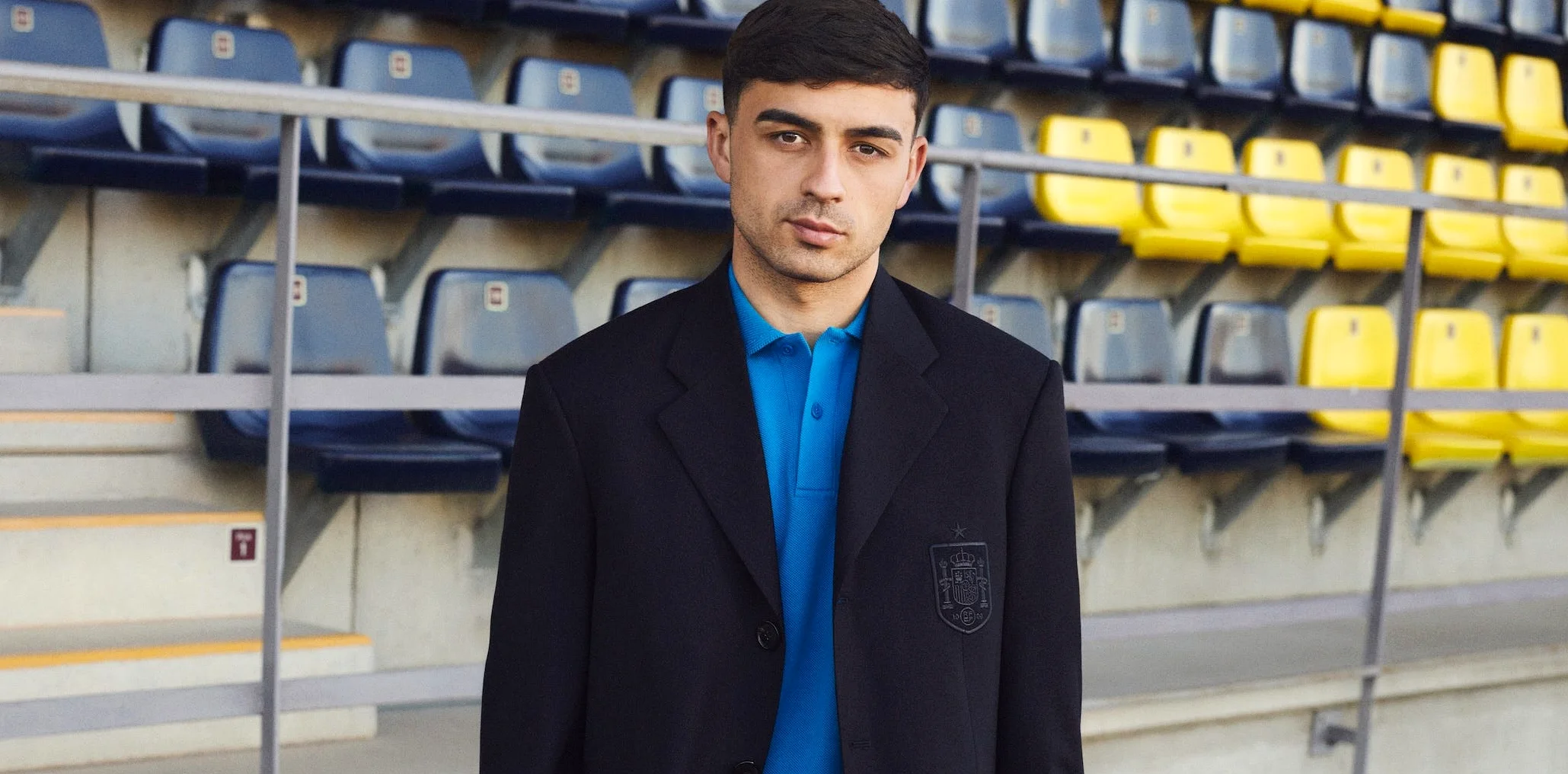
Spain’s World Cup 2026 squad. Announced on May 25. 2026, marks the first time in history that no Real Madrid players have been selected, though the European champions are led by coach Luis de la Fuente, who has emphasized current form and fitness. The squad includes key names like Lamine Yamal, Pedri, and Rodri, while maintaining the core of the team that won Euro 2024.
Key Squad Features and Surprises
For the first time in the nation’s World Cup history, no Real Madrid players have made the cut — the squad includes 26 players, with a strong focus on continuity. Goalkeeper Unai Simón. Who plays for Athletic Club. Is the regular No. 1, but faces competition from David Raya (Arsenal) and Joan García (Barcelona); the group stage sees Spain facing Cape Verde, Saudi Arabia, and Uruguay.
Notable inclusions are Barcelona’s Lamine Yamal, whose creativity and imagination have transformed Spain’s frontline. His partner, Nico Williams of Athletic Club, is also expected to play a key role. Both, however, may miss the opening match against Cape Verde due to hamstring injuries. Despite this, they are expected to be available by the end of the group stage.
Spain’s midfield includes names like Fabián Ruiz (Paris Saint-Germain), Gavi (Barcelona), and Martín Zubimendi (Arsenal), with the latter joining from a strong season in the Premier League. The defense features Álex Grimaldo (Bayer Leverkusen), Marcos Llorente (Atlético de Madrid), and Pau Cubarsí (Barcelona), maintaining the team’s familiar structure.
Historic Match and Tactical Challenges
In a surprise result, Spain faced off against Cape Verde in a 0–0 draw in Atlanta. Cape Verde, the third-smallest country ever to qualify for the World Cup by population, ranked 67th compared to Spain’s second. The match was described as a “prominent and relentless performance” by Cape Verde, who frustrated Spain’s possession-based approach. Spain’s 27 shots were unable to break through the Blue Sharks’ defense.
The combined transfer value of Cape Verde’s 26 players is $63.1 million, a stark contrast to Spain’s Lamine Yamal, valued at $232.1 million, and Gavi at $174 million. The match, described as a historical upset, highlighted Spain’s potential to play one-dimensionally, despite their tactical flexibility in previous tournaments.
Spain’s coach, Luis de la Fuente, acknowledged the team’s status as favorites but cautioned that it “doesn’t guarantee anything.” He emphasized the need for adaptability and resilience, especially with key players possibly missing early matches due to injury.
Off-the-Pitch Branding and Identity
Spain’s national team is also making a statement off the field. Luxury brand Loewe has signed a four-year partnership with the Spanish football federation to outfit both the men’s and women’s teams through the 2030 World Cup. The collaboration includes tailored suits, polo shirts, and accessories, with subtle branding like the Loewe Anagram embroidered inside the sleeves of the men’s jackets. Players like Pedri and Unai Simón were seen wearing the collection during training in Las Rozas, outside Madrid.
Loewe, founded in Madrid in 1846, marks its 180th anniversary in 2026 and sees the partnership as more than fashion — it is about identity and national pride. The house emphasized that dressing a national team “is never just about clothes: it is about identity, carried collectively.”
The branding effort adds another layer to Spain’s World Cup preparations, reinforcing their rich footballing culture and global presence. As the team takes the field in North America, both the quality of their play and the sophistication of their image are expected to leave a lasting impression.






Comments
No comments yet
Be the first to share your thoughts