

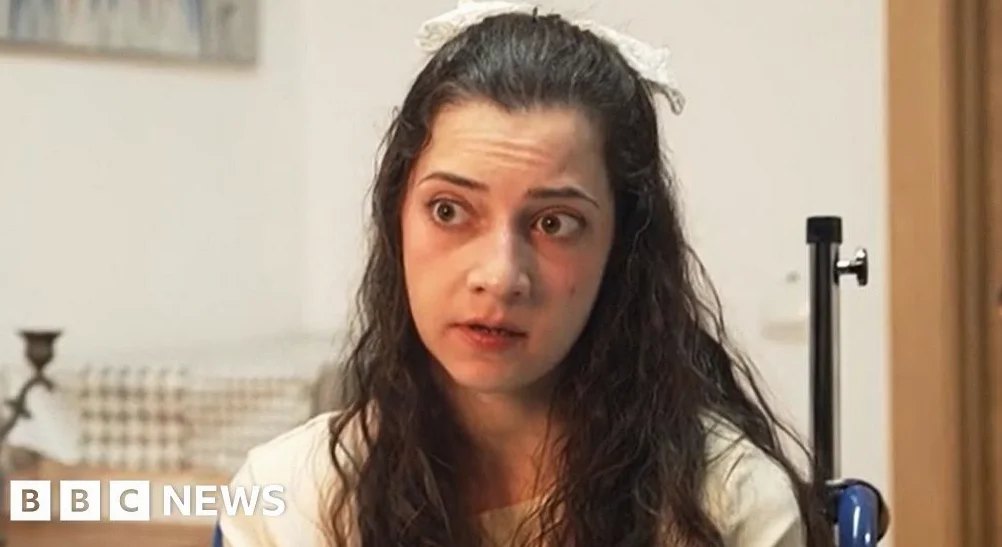
A 25-year-old Spanish woman is set to die by euthanasia after a prolonged legal battle with her father, a case that has drawn national attention and highlighted the complexities of end-of-life decisions in Spain. According to reports. The woman has been diagnosed with a severe and progressive neurological condition that has left her in a state of chronic pain and limited mobility. Her father, who has been actively opposing her decision, argued in court that she was not mentally competent to make such a choice.
The Legal Journey
The woman’s case has been the subject of multiple court hearings over the past two years. Spanish law permits euthanasia for terminally ill patients who are deemed mentally competent, but the process requires multiple judicial reviews to ensure that the patient’s wishes are being respected and that no coercion is involved. According to the Spanish newspaper El País, the woman’s legal team has presented extensive medical evidence to demonstrate her mental capacity and suffering, while her father has consistently challenged the authenticity of her decision.
In a recent court ruling, the judge determined that the woman’s mental state was stable and that her request for euthanasia was voluntary and informed. This decision has been praised by Spanish disability rights organizations, who argue that the case represents a critical step in advancing patient autonomy in end-of-life care. ‘This ruling affirms the right of individuals to make decisions about their own bodies, even in the face of opposition from family members,’ said a spokesperson for the Spanish Association for the Promotion of Autonomy.
The woman’s father, who has been a vocal critic of the decision, has expressed his grief and frustration in public statements. ‘I cannot accept that my daughter is choosing to end her life,’ he told El Mundo. ‘I believe the medical team has not fully explained the risks, and I feel this is not a fair process.’
Public Reaction and Cultural Context
The case has sparked a broader national debate in Spain about the ethical and legal aspects of euthanasia. While Spain has been one of the few European countries to legalize euthanasia, the process remains highly regulated and controversial. According to a 2023 survey by the Spanish National Statistics Institute, only 39% of Spaniards support the legalization of euthanasia for non-terminal patients, while 56% oppose it. This divide reflects the deep cultural and religious influences that shape public opinion on the issue.
In contrast, the case has received significant attention in the United Kingdom, where euthanasia remains illegal. According to the BBC, British lawmakers have debated the issue in recent months, with some calling for a review of current laws. ‘This case is a reminder of the ongoing global conversation about the right to die with dignity,’ said a spokesperson for the UK-based campaign group Dignity in Dying.
Meanwhile, in Spain, the woman’s decision has been supported by local advocacy groups, who argue that the case reflects a growing trend toward greater autonomy for terminally ill patients. ‘We are seeing more families and patients come forward with these requests, and the legal system is slowly adapting,’ said a representative from the Spanish Association for Palliative Care.
International Perspectives
The case has also drawn attention from international legal experts, who have noted the unique challenges of balancing patient autonomy with family rights. According to a report by the European Human Rights Law Journal, the Spanish courts have taken a cautious but progressive approach in recent years, emphasizing the need for clear evidence of a patient’s mental capacity and voluntary intent.
In the United States, where euthanasia remains illegal in most states, the case has been cited as a potential precedent for future legal discussions. According to the New York-based advocacy group Compassion & Choices, the Spanish model could influence ongoing debates in states like California and Oregon, where assisted dying is legal under specific conditions.
‘This case shows that when the legal system is willing to listen to the patient’s voice, it can make a significant difference,’ said a spokesperson for Compassion & Choices. ‘We hope this will encourage more open dialogue in the U.S. about end-of-life care options.’
The woman is expected to undergo the final legal procedures in the coming weeks, with the euthanasia scheduled to take place in a private medical facility. According to the Spanish Ministry of Health, the process will be closely monitored by a team of medical professionals and legal representatives to ensure compliance with all regulations.
Her case is likely to remain in the public eye as it continues to shape the national conversation on euthanasia and patient rights. Legal experts predict that the ruling could set a precedent for future cases, particularly those involving family opposition or complex medical conditions.
As the debate continues, the case exposes the broader ethical and legal challenges faced by societies grappling with the question of when, if ever, it is appropriate to allow a person to choose the end of their life. The outcome of this case may well influence the trajectory of euthanasia legislation in Spain and beyond.






Comments
No comments yet
Be the first to share your thoughts