

 The Hindu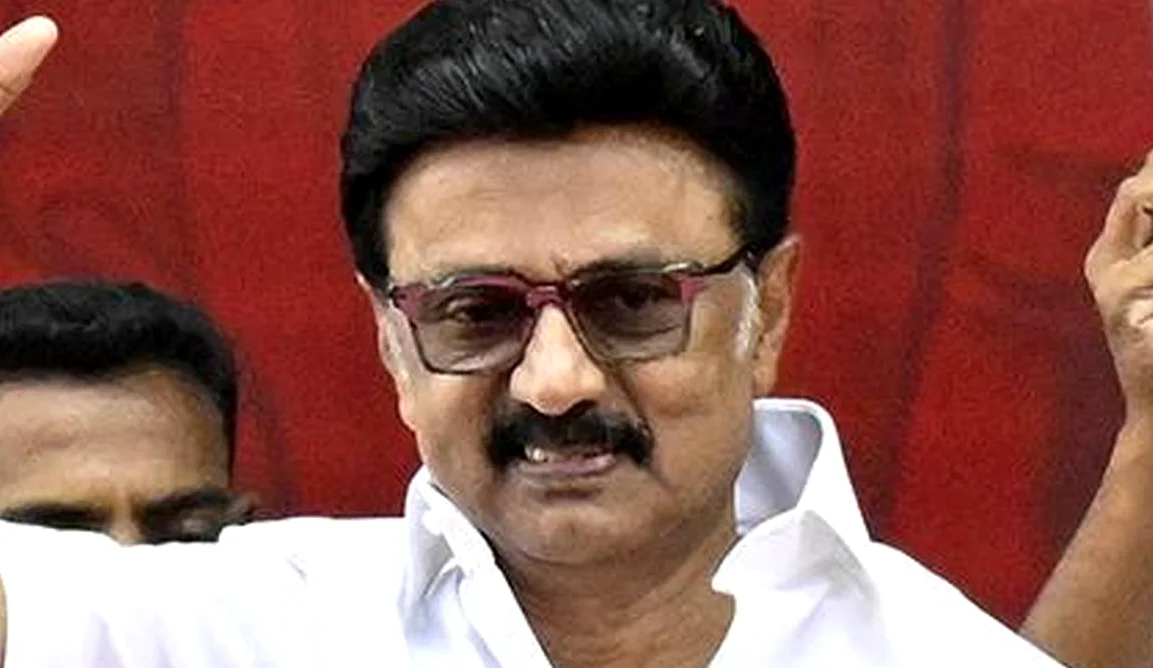
Tamil Nadu Chief Minister and DMK president M.K. Stalin has accused the BJP-led Union government of making wrong decisions that have resulted in a nationwide shortage of LPG cylinders. In a social media post on Sunday, March 15, 2026, Stalin claimed that the central government’s policies have created a ‘failure model’ in India’s foreign policy and have led to significant hardship for the population.
Impact on Daily Life and Economy
The LPG shortage has affected millions of Indian households that rely on subsidized cooking gas for daily use. With the price of LPG cylinders soaring and availability dwindling, families are facing challenges in meeting basic cooking needs. According to recent data, the number of LPG cylinders distributed per day has dropped by nearly 30% compared to the same period last year. This has led to long queues at gas distribution centers and a surge in demand for alternative cooking fuels, such as kerosene and coal, which are both more expensive and less environmentally friendly.
Small businesses and restaurants, which heavily depend on LPG for their operations, have also been hit hard. Many have been forced to cut back on operating hours or increase prices to offset the rising cost of fuel. ‘The impact of this shortage is being felt across all sectors,’ said a restaurant owner in Chennai. ‘We can’t afford to raise prices too much, but we can’t run our businesses without the gas either.’
According to the Petroleum and Natural Gas Ministry, the country’s LPG demand is projected to reach 10.5 million metric tons by the end of 2026. However, supply has not kept pace with this demand, leading to a shortfall that is expected to worsen unless urgent measures are taken.
Political Criticism and Calls for Accountability
Stalin’s accusations come amid growing public frustration over the LPG crisis. The DMK leader alleged that the Union government has failed to take precautionary measures and lacks a clear vision to address the issue. ‘There is no vision. There have been no precautionary measures. The people are facing hardships due to them,’ Stalin said in his social media post.
Political parties in the Secular Progressive Alliance (SPA), including the DMK, have staged demonstrations across the country to draw attention to the crisis. These protests, held on Sunday, March 15, 2026, involved thousands of citizens demanding immediate action from the Union government. ‘The Union government should realize the anger of the people and come forward to resolve the issue,’ Stalin said.
The criticism is not limited to the DMK. Opposition leaders from other states have also raised concerns about the government’s handling of the LPG shortage. ‘The government’s wrong decisions are not only affecting the economy but also the daily lives of ordinary citizens,’ said a senior leader from the Congress party.
What Analysts Say About the Crisis
Economic analysts have pointed out that the LPG shortage is not solely the result of policy missteps but also a consequence of global market dynamics. ‘India’s dependence on imported LPG has made it vulnerable to international price fluctuations and supply chain disruptions,’ said Anand Kumar, an energy economist based in Mumbai. ‘While the government has taken some steps, they have not been sufficient to address the scale of the problem.’
According to recent reports, India imports over 70% of its LPG needs, with the majority coming from countries such as the United States, Russia, and the Middle East. A drop in global supply, coupled with rising international prices, has exacerbated the domestic shortage. ‘The government needs to diversify its sources of supply and invest in domestic production to reduce its reliance on imports,’ Kumar added.
Some analysts have also pointed out that the central government’s decision to relax the import restrictions on LPG in 2025 was not accompanied by adequate measures to ensure a stable supply chain. ‘The policy was well-intentioned, but the execution has been lacking,’ said Priya Mehta, a policy analyst at the Indian Institute of Public Policy.
Mehta suggested that the government should consider increasing the production of LPG from domestic sources, such as oil refineries, and also explore alternative energy solutions to reduce the burden on the LPG supply system.
What’s Next for the LPG Crisis?
The Union government is expected to address the LPG shortage in the upcoming budget session, which begins on April 1, 2026. Several policy proposals are under consideration, including expanding the LPG distribution network, increasing the number of authorized dealers, and implementing price controls to prevent further inflation.
Additionally, the government is reportedly in talks with several international suppliers to secure more LPG imports. However, analysts warn that these measures may take time to yield results, and the situation may worsen before it improves.
Public pressure is mounting on the government to act swiftly. With the upcoming general elections scheduled for 2027, the LPG crisis has become a key political issue. ‘If the government does not take immediate action, it could have serious consequences for its re-election prospects,’ said a political strategist in New Delhi.
The crisis has also sparked a debate on the need for a more thorough energy policy that addresses both short-term and long-term challenges. ‘The government needs to think beyond the immediate crisis and develop a sustainable energy strategy for the country,’ said a senior official from the Ministry of Petroleum and Natural Gas.
As the situation continues to unfold, the focus remains on whether the Union government will be able to resolve the LPG shortage and restore public confidence in its leadership.






Comments
No comments yet
Be the first to share your thoughts