

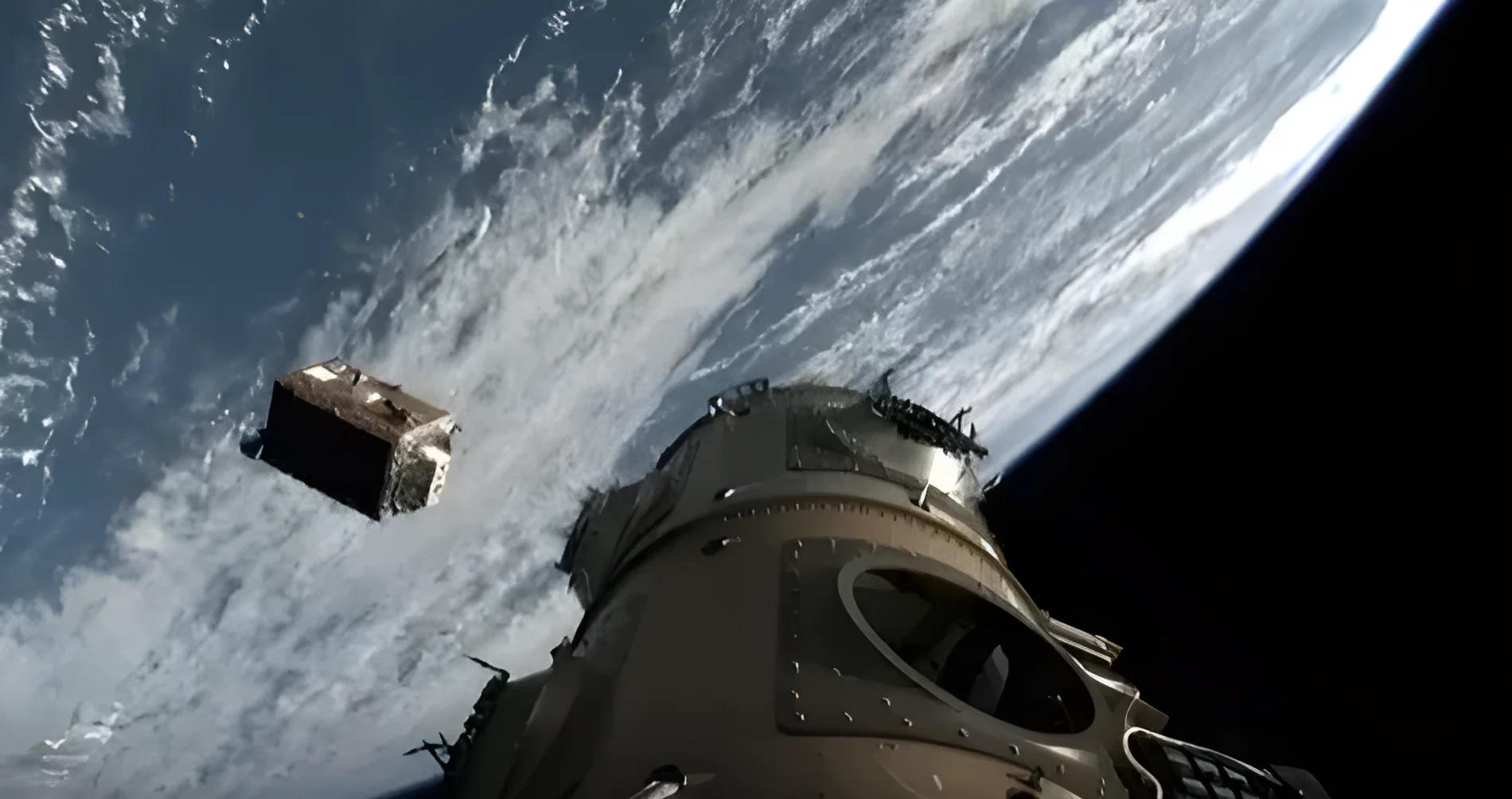
Starcloud-1, a satellite roughly the size of a small refrigerator and weighing 60kg, was launched this Sunday and has begun its mission in orbit, while the satellite, built on Astro Digital’s Corvus-Micro bus, is expected to operate for 11 months before de-orbiting and burning up. It features the first Nvidia H100 GPU ever deployed in space, a key component for high-powered data processing and machine learning inference.
Starcloud’s Ambitions and Industry Support
Starcloud CEO Philip Johnston confirmed the satellite is operational and in ‘Nominal Operations’ mode. “Starcloud was founded only 21 months ago, and this satellite hosts the first Nvidia H100 in space, which will provide high-powered inference and fine-tuning capabilities for other satellites,” he said on LinkedIn.
Starcloud-1 is primarily a test mission, but it lays the groundwork for future projects — the company has partnered with neocloud Crusoe to offer limited satellite-based computing access starting in early 2027. If successful, Starcloud aims to deploy larger data center satellites, including a 5GW satellite powered by a four sq km solar array.
SpaceX and the Broader Vision for Space-Based Data Centers
The launch was conducted using a SpaceX Falcon 9 rocket; Elon Musk has previously indicated that SpaceX is also exploring the deployment of data centers in space, aligning with broader industry trends. Jeff Bezos, founder of Amazon and Blue Origin, has stated that gigawatt-level data centers in space could emerge in the next decade, Former Google CEO Eric Schmidt has also expressed interest in space-based data centers through his acquisition of rocket company Relativity Space.
Market Reactions to SpaceX’s IPO and Share Price Drop
While Starcloud’s mission focuses on space-based computing, SpaceX itself has been in the news for its own high-profile developments; the company’s initial public offering (IPO) in June attracted over $250 billion in investor demand, far exceeding its $75 billion fundraising target. However, the stock price has since dropped below $115 per share, wiping out over $1.1 trillion in market value, the decline has been attributed to a combination of technical pressures, operational delays, and a valuation correction following the IPO.
The 5% of shares offered to public investors remains under lock-up until August 6, after which an estimated 900 million insider-held shares will become available for sale, potentially increasing market volatility.
Despite the recent stock drop, long-term investors remain optimistic about SpaceX’s future in space exploration and data infrastructure, viewing the decline as a potential buying opportunity for a company at the forefront of technological innovation.





Comments
No comments yet
Be the first to share your thoughts