

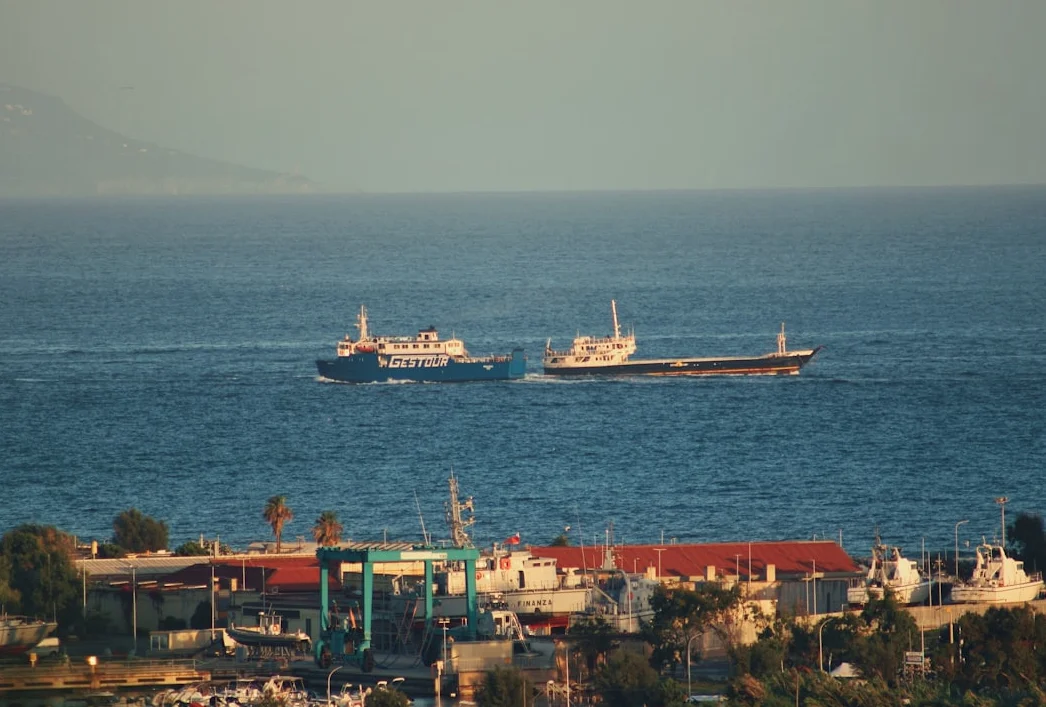
The potential closure of the Strait of Hormuz, a critical global oil transit route, has raised alarms as tensions between the US and Iran escalate, with reports of military actions and drone attacks disrupting shipping lanes.
Escalating Military Tensions and Strategic Alliances
The conflict between the United States and Iran has intensified, with recent military actions reported near the Strait of Hormuz, a vital artery for global oil trade. According to CNN, the US has destroyed Iranian mine-laying boats, highlighting the growing hostility in the region. Meanwhile, CSIS analysis suggests that Russia is providing Iran with advanced drone tactics, further complicating the geopolitical landscape. This strategic alliance between Russia and Iran could significantly alter the balance of power in the Middle East.
U.S. military officials have warned that the closure of the Strait of Hormuz could have severe economic repercussions, as nearly 20% of the world’s seaborne oil trade passes through this narrow waterway. The CSIS report highlights that the regional reverberations of recent U.S. and Israeli strikes on Iran could lead to a significant increase in oil prices, potentially destabilizing global markets.
Economic Implications and Market Reactions
The economic implications of a potential Strait of Hormuz closure are profound. According to CSIS, oil prices have already soared due to the ongoing conflict, with estimates suggesting that the cost of the first 100 hours of the war could reach $3.7 billion. This financial burden on global markets could lead to inflationary pressures, affecting economies worldwide.
TradingView analysts have noted that while cryptocurrency prices such as Bitcoin and Ethereum have not experienced a significant crash, the uncertainty surrounding the Strait of Hormuz has led to increased volatility in financial markets. The potential for prolonged closure could trigger a broader economic downturn, particularly in regions heavily dependent on oil imports.
Regional and Local Impact: Perspectives from Germany and Beyond
German news outlet Die Sachsen News reports that the BSW (Bündnis für Standortwettbewerbsfähigkeit) has accused the federal government of inadequate preparedness for fuel and gas shortages, highlighting the potential impact of a Strait of Hormuz closure on European energy security. This criticism reflects growing concerns among European nations about their vulnerability to disruptions in oil supply.
In addition, the German transport magazine TRANSPORT emphasizes the potential long-term effects of the Strait of Hormuz closure on global trade routes. The article discusses how the closure could force a reevaluation of shipping strategies, with alternative routes being explored to mitigate the economic fallout. This shift in logistics could have lasting implications for international trade dynamics.
What’s Next: Strategic Considerations and Global Responses
As the situation unfolds, international stakeholders are closely monitoring the developments in the Strait of Hormuz. The CSIS analysis suggests that the U.S. military is considering its next steps in the region, including potential reinforcements and strategic adjustments. The involvement of Russia in supporting Iran’s military capabilities adds another layer of complexity to the situation.
Experts are also contemplating the long-term implications of the closure on global energy policies. The potential for a prolonged conflict could lead to increased investments in alternative energy sources and a reevaluation of global energy dependencies. The international community is likely to respond with diplomatic efforts aimed at de-escalating tensions and ensuring the stability of global oil markets.
Why It Matters: Global Economic and Political Ramifications
The closure of the Strait of Hormuz is not just a regional issue; it has far-reaching consequences for the global economy. The disruption of oil supplies could lead to a surge in energy prices, affecting consumers and businesses alike. Additionally, the geopolitical tensions could strain international relations, particularly between the U.S., Iran, and their allies.
As the situation continues to evolve, the international community must remain vigilant and prepared for any potential escalation. The need for diplomatic solutions and international cooperation is paramount to ensure the stability of global trade and energy markets. The stakes are high, and the implications of a prolonged closure could reverberate through the global economy for years to come.






Comments
No comments yet
Be the first to share your thoughts