

The Iranian regime has announced the closure of the Strait of Hormuz, a vital maritime chokepoint, and threatened to target ships attempting to transit the narrow waterway. Some vessels have already been damaged, raising fears of a broader disruption to global trade and energy markets. While the immediate concern centers on oil and gas, the implications extend far beyond those commodities, with food security and consumer prices at risk in several regions.
Strategic Importance of the Strait of Hormuz
The Strait of Hormuz, located south of Iran and connecting the Persian Gulf with the Arabian Sea, is one of the world’s most critical shipping routes. More than 30,000 ships pass through it annually, carrying around 11% of global seaborne trade by volume. Approximately 34% of seaborne oil exports and 19% of seaborne natural gas shipments also traverse the strait, making it an essential artery for global energy flows.
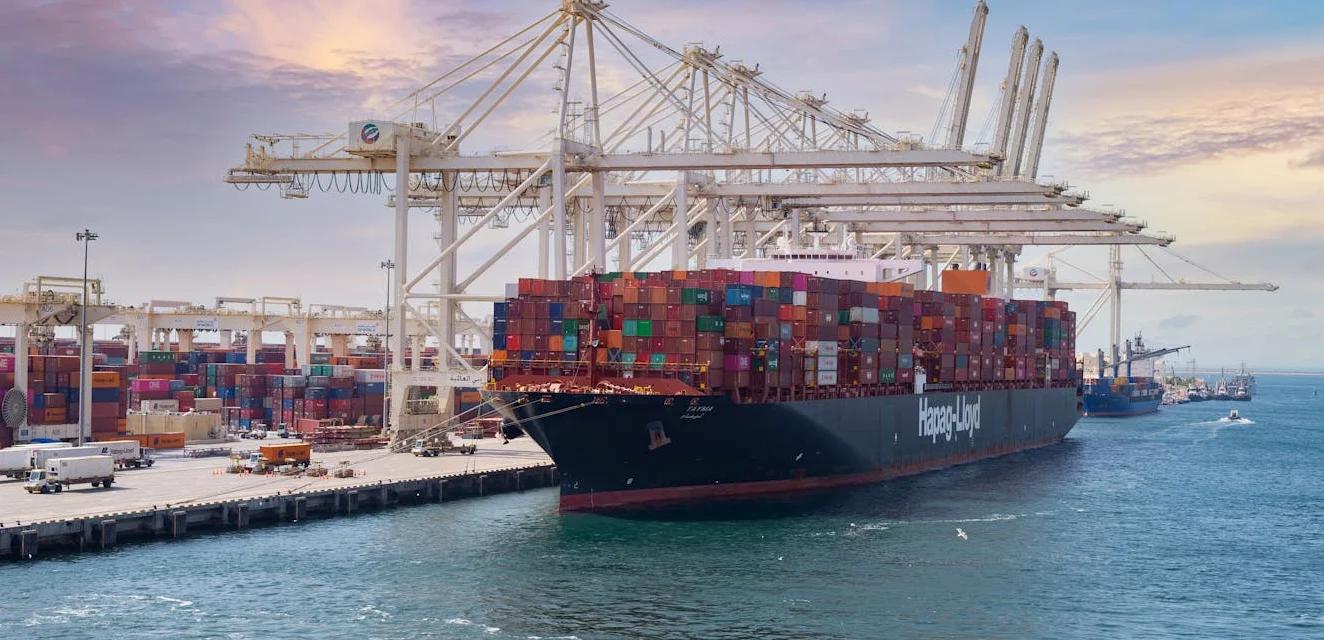
However, the strait is not solely a conduit for fossil fuels. It is also a major hub for container shipping, particularly for transhipment between Asia and Europe. Jebel Ali Port in the United Arab Emirates, the world’s ninth-largest container port, processes over 26 million containers annually, with about 80% of them being transhipped between vessels. As of now, more than 150 ships, with a combined capacity of around 450,000 containers, are stranded in the region.
Food and Fertiliser Supply at Risk
The closure of the Strait of Hormuz is particularly concerning for global food security. The region is a key supplier of urea, a nitrogen-based fertilizer derived from natural gas. More than 30% of global urea exports originate from Gulf countries, which are primarily shipped through the strait. Urea prices have already risen by about 14% in a single day, according to recent data, highlighting the immediate impact of the crisis.
Fertilizers constitute a significant portion of the production costs for staple crops such as corn and wheat. With rising energy and fertilizer prices, the cost of producing these crops is expected to increase, potentially leading to higher food prices and reduced availability. Additionally, perishable goods in refrigerated containers face the risk of spoilage as container ships remain stranded near the strait.
Gulf countries, which rely heavily on imported food, are particularly vulnerable. For example, Qatar imports more than 90% of its food, with the majority arriving by sea. With air freight not operating at full capacity, food availability could become a growing concern. Alternative routes, such as road freight from Turkey, are limited in both capacity and cost, making them an impractical long-term solution.
Global Consumer Prices and Energy Costs
The impact of the crisis is not confined to the Gulf region. Higher energy costs are likely to be a major driver of increased consumer prices globally. Brent crude oil prices have already risen from around $72 per barrel before the strikes to approximately $79 as of March 4, compared to about $66 one month earlier. A 2023 analysis by the European Central Bank estimated that a disruption of a third of oil and gas supplies through the Strait of Hormuz could push European inflation up by 0.8 percentage points.
Consumer goods are also at risk due to rising shipping costs. Major container lines have imposed war risk surcharges ranging from $1,500 to $4,000 per container, significantly increasing the cost of transporting goods. For context, the typical cost of moving a container from Shanghai to Europe is around $2,700 to $3,600, including freight and port handling charges. These surcharges are also being applied to shipments bypassing the Strait of Hormuz, with vessels rerouting around the Cape of Good Hope in South Africa.
This rerouting strategy was previously used during the Red Sea crisis in late 2023, when Houthi attacks on ships led to a 250% surge in freight costs. Although the container shipping industry currently faces overcapacity, the rerouting of vessels could lead to a new surge in freight rates, further straining supply chains and logistics operations.
While higher shipping costs may not directly translate into massive increases in retail prices—maritime transport accounts for as little as 0.35% of the final retail price—delays in shipping and unreliable transit times could create logistical challenges. These include higher inventory costs and temporary shortages of essential goods, which could have a more immediate impact on consumers.
A prolonged crisis, combined with the rerouting of vessels around the Cape of Good Hope, could exacerbate pressures on consumer prices, logistics, and the availability of food and other goods. The situation serves as a stark reminder that regional tensions in strategic locations like the Strait of Hormuz have far-reaching consequences for global markets and everyday consumers.






Comments
No comments yet
Be the first to share your thoughts