

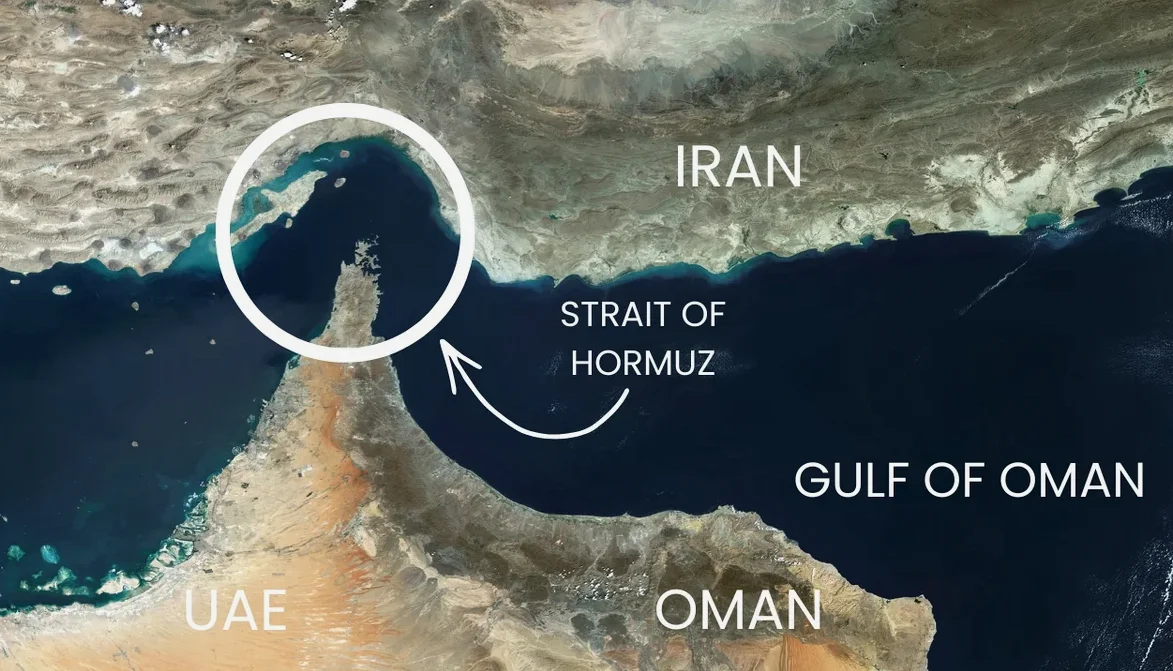
Oil prices climbed sharply on Tuesday as geopolitical tensions in the Strait of Hormuz intensified, creating uncertainty in global energy markets. The narrow waterway, which handles about 20% of the world’s seaborne oil trade, has become a flashpoint in the escalating Iran conflict. U.S. crude futures approached the $70 mark, while global benchmarks edged toward the high-$70s, as traders scrambled to hedge against potential supply disruptions.
Impact on Global Trade and Energy Markets
The Strait of Hormuz, a critical artery for global oil transportation, has seen a noticeable slowdown in tanker traffic. According to maritime analysts, the number of vessels transiting the strait has dropped by nearly 20% in the past week. This reduction has triggered a surge in demand for war-risk insurance, with premiums rising by over 30% as shippers seek protection against potential attacks or blockages.
Regional military activity has further exacerbated fears of a full-scale disruption. Iranian commanders have issued warnings about the possibility of closing the strait, though no formal declaration has been made. Despite the lack of a declared closure, market participants have reacted as if the strait is effectively under threat, leading to a rapid increase in oil futures prices.
“Even a partial slowdown in traffic can have a significant impact on oil prices,” said James Ritter, a commodities analyst at Energy Insights. “The market is pricing in the risk of a prolonged disruption, and that’s driving up prices despite the absence of a formal blockage.”
Stock Market Reactions and Economic Implications
As oil prices climbed, stock market futures turned defensive. Dow futures fell by over 1% in early Tuesday trading, with investors cautious about the potential for higher energy costs to fuel inflation and dampen consumer spending. The Nasdaq and S&P 500 futures also showed signs of weakness, as growth-oriented sectors faced pressure from rising input costs.
The Dow futures market is particularly sensitive to energy prices, as many of its constituent companies are heavily exposed to transportation and fuel costs. The Nasdaq, on the other hand, has shown relative resilience, though analysts warn that sustained increases in oil prices could eventually impact tech stocks through higher interest rates and inflationary pressures.
“Higher oil prices act like a tax on the economy,” said Sarah Chen, an economic analyst at Market Trends. “While some sectors, like energy and defense, may benefit, the broader economy could suffer from increased costs for consumers and businesses.”
The situation is also affecting the broader economic outlook. If the disruption in the Strait of Hormuz persists, it could lead to higher freight rates, increased shipping costs, and a ripple effect across global supply chains. This, in turn, could slow down economic growth and create further uncertainty in financial markets.
Rising Gas Prices and Consumer Impact
The impact of higher oil prices is already being felt at the pump. The average price for a gallon of gasoline in the U.S. has exceeded $3, and analysts predict further increases as the effects of the geopolitical premium filter through to retail prices. GasBuddy, a popular fuel price tracking service, has seen a surge in user traffic as drivers seek real-time updates on fuel costs.
“Gas prices are one of the fastest ways for inflation to hit consumers directly,” said Michael Lee, an energy economist at PriceWatch. “When people see the price of gas rise, it immediately affects their spending habits and can lead to broader inflationary pressures.”
As fuel costs climb, the risk of inflationary expectations becoming a self-fulfilling prophecy increases. If consumers begin to anticipate higher prices for goods and services, they may adjust their spending behavior, leading to a broader inflationary spiral. This could force central banks to consider more aggressive monetary policy actions, further complicating the economic landscape.
With the situation in the Strait of Hormuz still evolving, market participants are closely watching for any developments that could either escalate or de-escalate the tensions. The coming weeks will be critical in determining the long-term impact of this geopolitical crisis on global markets and economies.






Comments
No comments yet
Be the first to share your thoughts