

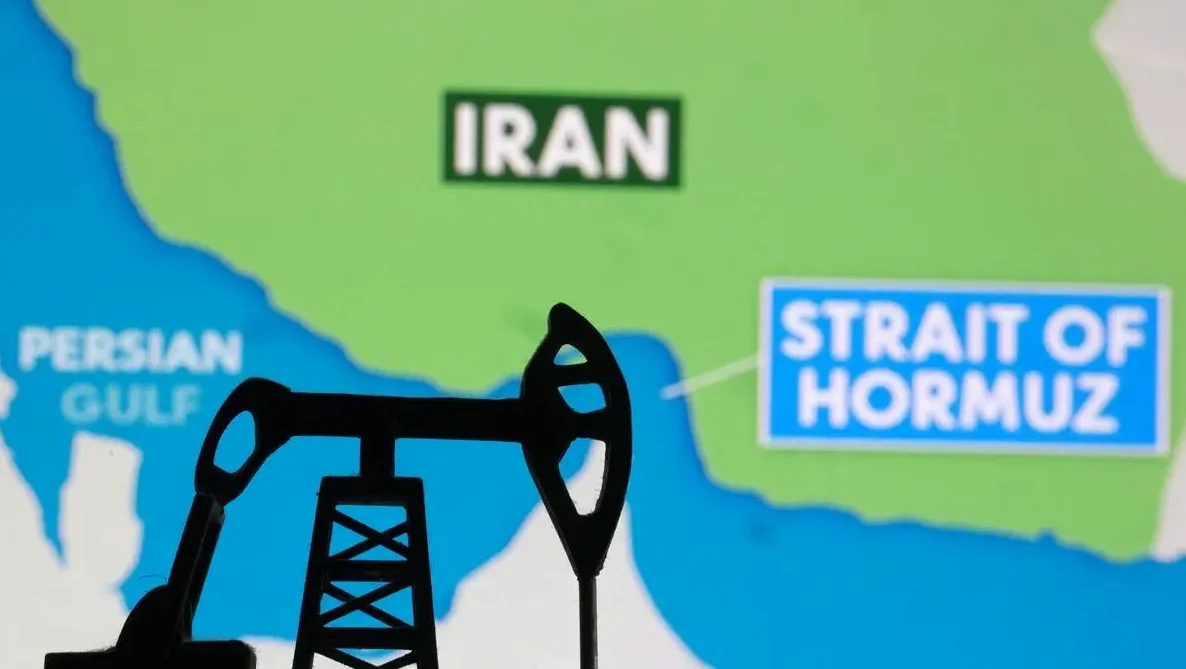
The recent US-Israeli offensive on Iran has intensified fears of a disruption in the shipment of petroleum coke — a critical fuel for India’s cement and steel industries — from the Persian Gulf through the Strait of Hormuz, a key chokepoint for global energy trade.
Impact on India’s Cement Industry
India’s consumption of petroleum coke, a carbon-rich byproduct of oil refining, has been rising in recent years due to increased production in the cement and steel sectors. According to Kpler, a global data and analytics provider, the geopolitical tensions have raised concerns about pet coke flows through the Strait of Hormuz, potentially tightening supply and increasing freight and insurance costs for vessels transiting through the critical energy corridor.
Kpler warned that India is the largest single destination for Gulf pet coke, particularly the fuel grade used by cement producers. A prolonged supply disruption from the Strait of Hormuz could force Indian cement producers to switch to domestic or imported coal, which would come at a higher cost. The Indian cement industry operates on thin margins, and any significant disruption in pet coke supply could rapidly increase production costs.
According to Kpler, the monthly volume of pet coke flowing through the Strait of Hormuz from Persian Gulf ports typically ranges between 400,000 and 600,000 tonnes in normal months, with India absorbing the majority of this supply. The firm highlighted that the Persian Gulf region produces two distinct pet coke streams: fuel grade for cement and anode-grade for aluminium industries.
India’s Growing Reliance on Pet Coke Imports
India’s consumption of pet coke has been on the rise. In FY24, the country consumed 20.32 million tonnes, which increased to 22.06 million tonnes in FY25. During the April-January period in FY26, consumption reached 16.85 million tonnes. Domestic production, however, has lagged behind, with India producing 15.1 million, 15 million, and 12.3 million tonnes in FY24, FY25, and FY26 respectively.
As a result, India has increasingly relied on imports to meet its demand. Imports of pet coke stood at 10.96 million, 13.15 million, and nearly 10 million tonnes during FY24, FY25, and FY26 respectively. This growing dependency on imports makes India particularly vulnerable to supply chain disruptions in the Strait of Hormuz.
Kpler noted that if vessel owners refuse to transit the strait or insurers withdraw coverage, exporters will struggle to move their cargo. This could lead to a significant disruption in the supply of pet coke to India and China, the two largest consumers of Gulf pet coke.
Market Implications and Future Outlook
Kpler explained that producers cannot defer shipments indefinitely. Refineries must clear pet coke stocks to maintain operating rates. A prolonged disruption in supply would reduce effective supply to Asia and force buyers into the spot market, potentially driving up prices.
The firm added that coal markets may absorb part of the impact, but lower pet coke availability from the Gulf would increase competition for alternative solid fuels, including US pet coke and thermal coal from the US, Indonesia, and Australia. Indian and Chinese buyers are expected to lead this demand due to their reliance on Middle Eastern supply.
Kpler noted that coal already trades at competitive levels against pet coke in most consuming regions. However, current price spreads limit additional switching capacity, especially where plants improve fuel blends for technical reasons. Incremental coal demand would likely remain moderate unless pet coke prices spike sharply or physical shortages emerge.
On the coal side, firm gas and oil prices strengthen overall fuel price sentiment. However, the region does not account for material coal supply, so direct physical impact remains limited. Price direction will depend more on substitution flows and cross-fuel spreads than on any loss of coal production.
As tensions in the Strait of Hormuz continue to escalate, the potential for supply chain disruptions remains a critical concern for India’s industrial sectors. The situation is likely to be closely watched by policymakers and industry stakeholders as they assess the risks to their supply chains and plan for potential contingencies.






Comments
No comments yet
Be the first to share your thoughts