

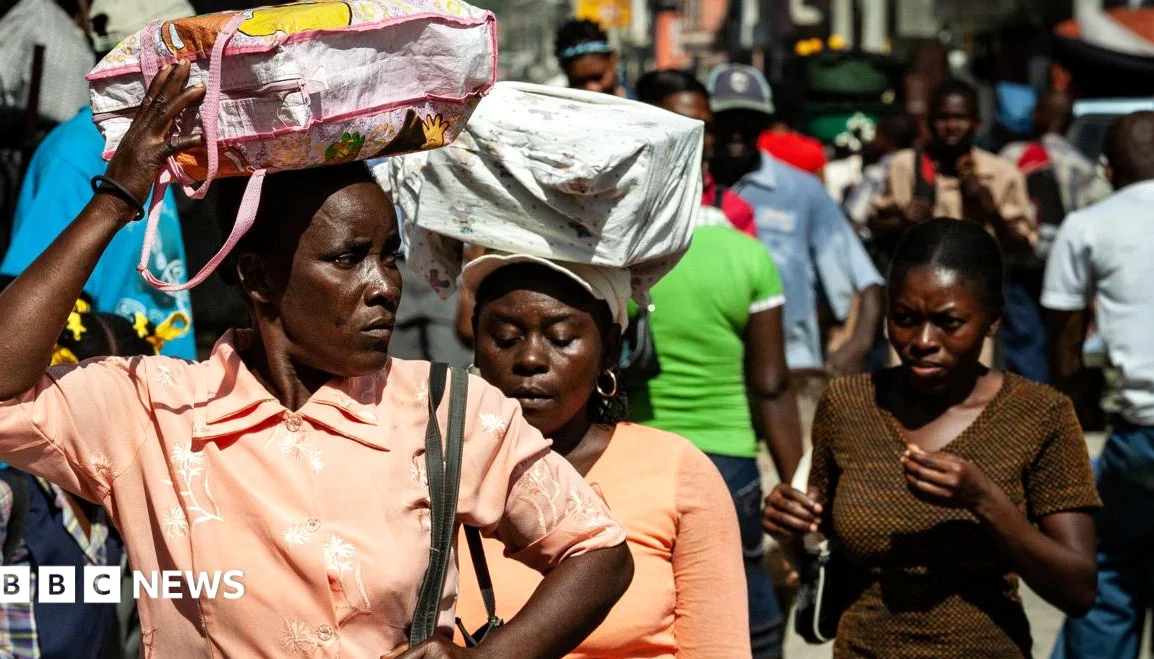
The U.S. Supreme Court on June 25. 2026, ruled 6-3 to allow the Trump administration to end Temporary Protected Status (TPS) for more than 250,000 Haitians and 6,000 Syrians, according to WPLG Local 10 and News.at. The decision clears the way for deportations and has drawn strong reactions from advocacy groups and immigrant communities, who argue that conditions in Haiti remain unsafe for return.
Community Reactions and Protests
Reactions from the Haitian community in South Florida were immediate and emotional — Members gathered in Miami to protest the city’s agreement with U.S; Immigration and Customs Enforcement (ICE), according to WPLG Local 10. As news of the Supreme Court ruling spread among the demonstrators, many embraced and consoled one another, reflecting the deep concern over potential deportations.
Paul Christian Namphy. A leading organizer with the Family Action Network Movement, emphasized the interconnected nature of the struggles faced by immigrant communities, but “Todas estas batallas están entrelazadas,” he said. Advocacy groups argue that Haiti remains too dangerous for return, citing ongoing violence, instability, and lack of basic infrastructure.
Conditions in Haiti and Legal Arguments
Tessa Petit, executive director of the Florida Immigrant Coalition, stressed the humanitarian crisis in Haiti. “Mi gente no puede regresar. Es real. La realidad en Haití es real. Las condiciones inseguras en Haití son reales,” she said. The U.S. State Department has issued a Level 4 “Do Not Travel” warning for Haiti due to widespread violence and instability.
Namphy criticized the Supreme Court decision, calling it “absolutely absurd.” Advocates argue that ending TPS for Haitians is based on flawed assumptions about the safety of the country. They also described the possibility of deportation as a “sentence to death,” citing gang violence and deteriorating security conditions in Haiti.
According to News.at, the ruling also affects TPS holders from 11 other countries, including Venezuela and South Sudan. The Trump administration had previously announced its intent to strip these individuals of their protections. Immigrants from these countries had challenged the decision in court, arguing it was racially motivated, but the Supreme Court upheld the administration’s stance.
Broader Implications
The Supreme Court’s decision was not subject to judicial review, according to the conservative-majority court. This ruling, however, has raised questions about the legal basis for ending TPS for Haitians and Syrians. Advocacy groups continue to push for legislative solutions to protect these vulnerable populations.
Immigrants with TPS have been living in the U.S. under temporary protections due to conditions in their home countries that make return unsafe. For Haitians, the TPS was first granted in 1998 following political instability and was most recently extended after the 2010 earthquake. Ending the program could uproot thousands of families who have lived in the U.S. for years.



Comments
No comments yet
Be the first to share your thoughts