

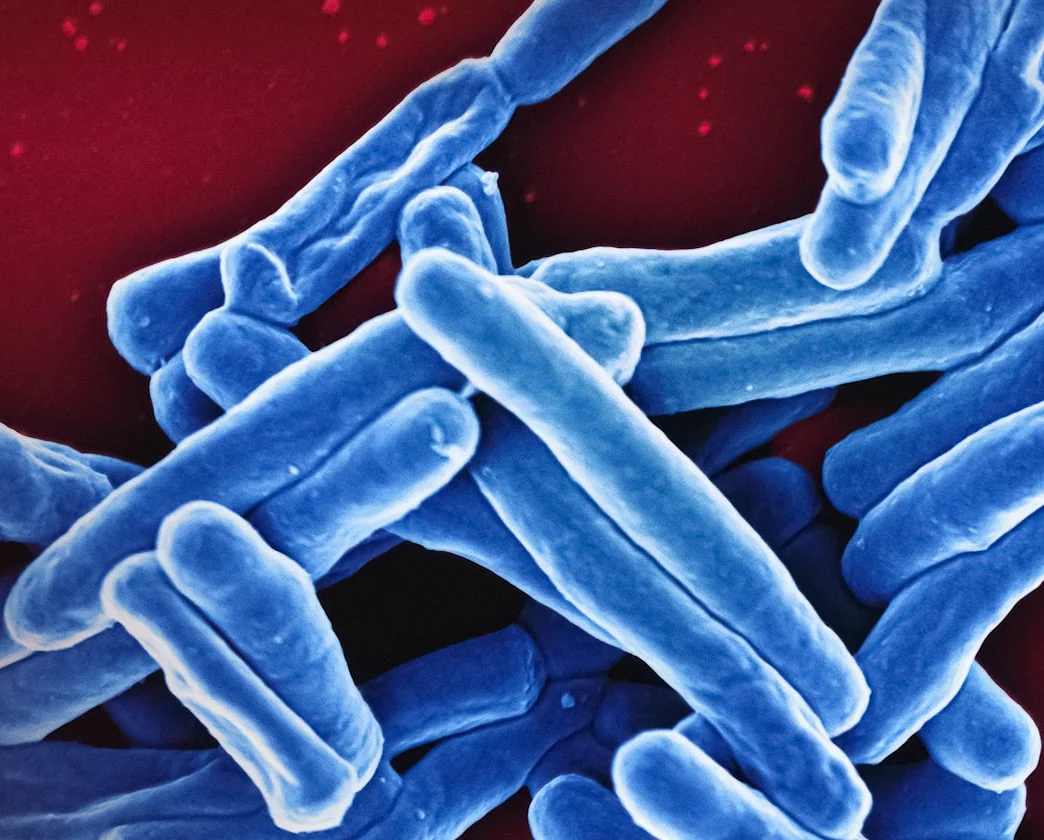
Mycobacteria, the culprits behind tuberculosis, deploy a stealth tactic by secreting tiny lipid-packed vesicles that fuse with host cell membranes and make them too stiff for immune destruction. Researchers led by Ayush Panda, once a graduate student in Mohammed Saleem’s lab at India’s National Institute of Science Education and Research, detailed the mechanism in a study posted on bioRxiv and set for presentation at the 70th Biophysical Society Annual Meeting in San Francisco from February 21-25, 2026.
The bacteria’s trick thwarts a key immune process. Immune cells called macrophages engulf mycobacteria into compartments known as phagosomes. Those phagosomes normally merge with lysosomes, organelles brimming with enzymes that digest invaders. But the vesicles alter phagosome membranes, preventing fusion and letting the bacteria hide safely inside.
“If the membrane becomes more rigid, it becomes much harder for the phagosome to fuse with the lysosome,” Panda said. His team found the vesicles carry specialized lipids from the bacteria. When these lipids integrate into host membranes, they reshape the architecture, turning flexible barriers into rigid shields.
Panda drew from personal experience. “Tuberculosis is rampant in India,” he said. “I grew up in a state where tuberculosis outbreaks are a major problem, and I was always curious about how these diseases spread.” The work spotlights a lipid-driven survival strategy, shifting focus from the protein manipulations mycobacteria were long known for.
Experiments showed dramatic effects. In lab models mimicking host phagosomes, adding mycobacterial lipids transformed membrane properties entirely. The vesicles don’t stop at infected cells. They spread to nearby immune cells, priming them for weakness before any direct bacterial contact.
Broader implications emerged too. Similar vesicle effects appeared in Klebsiella pneumoniae and Staphylococcus aureus, hinting at a shared playbook among dangerous pathogens. Tuberculosis claims more than 1 million lives annually, hitting hardest in Asia, Africa and Latin America, according to World Health Organization data.
The findings carve out new drug development paths. Scientists could block vesicle production or neutralize their stiffening power. “Now that we understand how the bacteria protect themselves, we can start looking for ways to stop them,” Panda said. “If we can block the bacteria from stiffening those membranes, our immune cells might be able to do their job and stop the infection.”
This biophysical lens on infection builds on prior studies. Earlier research zeroed in on bacterial proteins that sabotage host defenses. Here, lipids alone suffice to induce dysfunction, a revelation from direct membrane manipulation tests.
“The most surprising finding was when we introduced mycobacterial lipids into membranes that mimic the host phagosome, we saw remarkable physical changes,” Panda noted. The approach could reshape tuberculosis combat, especially where drug-resistant strains thrive.




Comments
No comments yet
Be the first to share your thoughts