

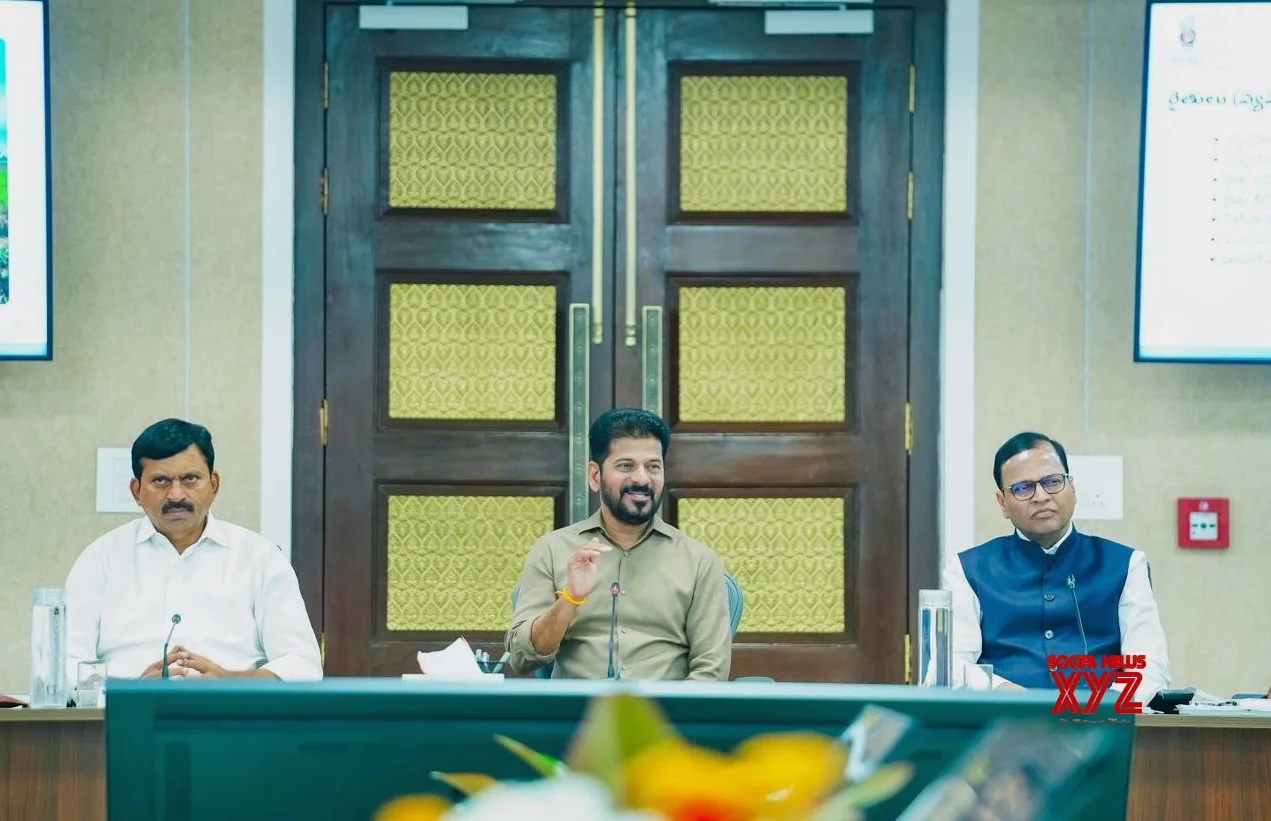
The Telangana government has initiated a thorough 99-day public outreach program, beginning on March 6, to bring welfare schemes, development projects, and public services closer to the people. The initiative, titled ‘Praja Palana-Pragati Pranalika’ (People’s Governance-Progress Plan), will be carried out in five phases and will cover a range of themes across various departments, officials said on Tuesday.
Program Structure and Key Dates
The program will run from March 6 to June 12 and will be organized in five phases. The first phase will involve preparatory meetings under the auspices of Ministers in all erstwhile districts on March 6. The Planning Department will serve as the nodal department for the program, overseeing its implementation.
The initiative includes gram sabhas at the village level on April 2, followed by meetings at the Mandal level on April 16. Constituency-level programs will be held on May 2, and district-level events will take place on May 22. The program will conclude with State formation day celebrations on June 2.
Themes and Objectives
The program will cover 10 key themes, including cleanliness at various levels, clearance of pending government files, health, road safety, welfare, child safety and drugs control, farmers’ welfare and agriculture, education, youth and sports, women and environment. Each theme will be addressed through specific departmental activities and public engagement initiatives.
During the 99-day period, the government will lay the foundation for various development projects or inaugurate them. A special mobile app will be developed to monitor the program’s progress and ensure transparency.
Focus on Welfare and Transparency
Chief Minister A. Revanth Reddy emphasized the need to ensure that all welfare schemes launched by the state government reach eligible beneficiaries. He directed officials to explain these schemes during gram sabhas and ensure the active involvement of local representatives, including ward members, sarpanches, municipal ward members, chairpersons, Corporators, and Mayors.
A one-day training program will be organized at district headquarters to build the capacity of local representatives, providing them with clear orientation on their roles and responsibilities. Printed reference materials will also be provided to support their work.
Revanth Reddy also highlighted the importance of educating farmers about transitioning to solar pump sets and creating awareness about rooftop solar installations, grid connectivity, and income generation through surplus power supply.
Beneficiaries of new ration cards, fine rice distribution, Indiramma houses, free electricity up to 200 units, loan waivers, free bus travel, and the Rs 500 gas cylinder scheme will be highlighted in Gram and Ward Sabhas. The overall benefits at the village, mandal, constituency, and district levels will be transparently shared with the public.
The Chief Minister emphasized the effective utilization of the services of all 35 government medical colleges in the state. He urged primary health centers, community health centers, and other local health institutions to refer cases to government medical colleges, ensuring optimal use of advanced equipment, medical students, doctors, and professors available in these institutions.
Revanth Reddy directed the implementation of facial recognition technology across all government schemes to ensure that benefits reach only eligible individuals. He cited the removal of three lakh ineligible beneficiaries through facial recognition in the Aasara pension scheme as an example of the need for proper use of technology to prevent misuse.
The Chief Minister also asked officials to fully digitize transport department data, including conducting regular fitness tests for school buses and other vehicles. Eye-testing camps will be organized for drivers of Regional Transport Corporation vehicles, lorries, and goods vehicles, particularly at locations where they gather in large numbers.
The Transport Department will provide a WhatsApp number for reporting potholes and accident-prone locations. Immediate repairs and precautionary measures will be taken based on public inputs to enhance road safety and infrastructure maintenance.





Comments
No comments yet
Be the first to share your thoughts