

 BBC
BBC 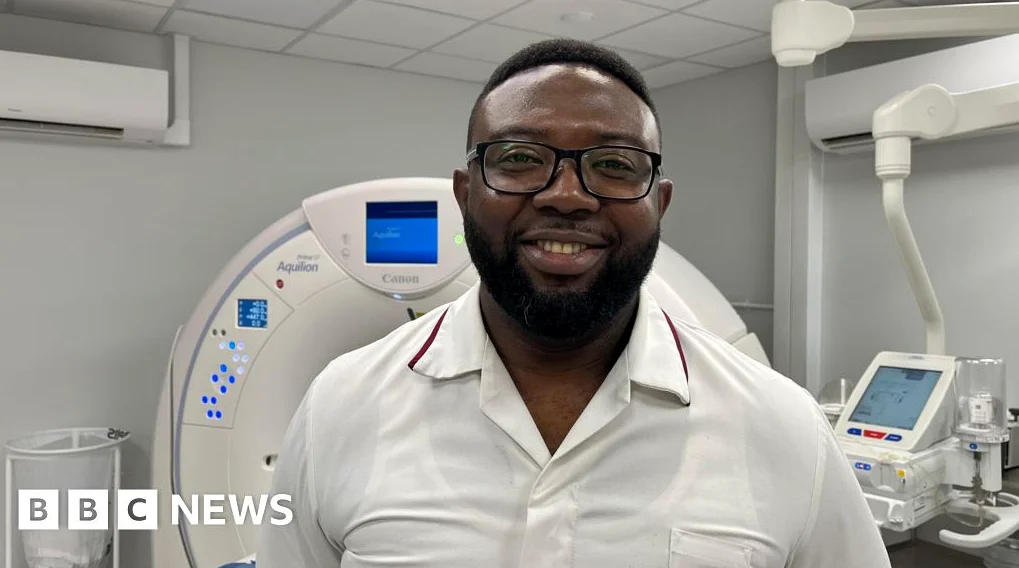
The Hollinswood House Community Diagnostic Centre (CDC) on an industrial estate near the M54 has become a critical component in alleviating NHS waiting times, having conducted 292,293 procedures since its opening in October 2023. The facility handles a wide range of services, from CT scans and blood tests to cardio-respiratory appointments, playing a vital role in the Shrewsbury and Telford Hospital NHS Trust’s strategy to offload non-emergency care from its main hospital sites.
Streamlining Patient Care
Richmond Bempah, a radiographer at the CDC, emphasized how the center cuts waiting times for patients needing scans. The radiography department performs CT scans, MRIs, non-obstetric ultrasounds, and X-rays. Bempah noted that patients can be instantly booked in by their GPs, allowing for same-day appointments for chest X-rays when referred earlier in the day.
Heidi Van Duivenbooden, head of the phlebotomy department, said the center sees up to 400 blood tests daily, operating from 08:00 to 17:00. She described the impact of the CDC as helping reduce the three to four-week wait for diagnosis, cutting it down to 48 hours in most cases. Robert Kendall, a patient who visited for a routine blood test, said he was seen quickly and found the location convenient, noting the ease of parking compared to the main hospitals, which are undergoing major construction.
Innovative Cancer Diagnosis
On the third floor of the CDC, the Triomic trial, launched in December 2024, is revolutionizing the detection of colorectal cancer. The trial, funded by medical technology company Origin Sciences, aims to reduce the need for invasive colonoscopies by analyzing rectal mucus samples for abnormal cells and polyps. Consultant colorectal surgeon Mr. Jon Lacy-Colson said the new clinic rooms at the CDC have enabled 150 appointments per week, a significant improvement in diagnostic speed.
Lacy-Colson described the technology as the biggest development in colorectal cancer diagnosis in decades, potentially allowing patients to receive results within a week of being referred by their GP. The trial has already enrolled 2,600 patients in Shropshire, with three dedicated clinic rooms built at the CDC to support the initiative.
Michelle Kinder, a 48-year-old mother of five who was diagnosed with colorectal cancer in November and took part in the trial, praised the speed of her treatment. She underwent surgery in December and was declared cancer-free by January. “I was more than happy to help out with the trial because it’s such a worrying time for anybody,” she said, adding that she was “very impressed with how quickly I’ve been seen.”
Expanding Diagnostic Capacity
Anna Martin, the trust’s divisional director of operations, emphasized that diagnostics are central to hospital operations. The CDC has added significantly to the diagnostic capacity, offering more appointments and scanning opportunities. Martin said the center has been an addition to the services already provided at the hospitals, resulting in “a much better experience” for patients.
With nearly 292,000 appointments and scans since its opening, the CDC has become a cornerstone of the NHS’s approach to managing non-emergency procedures. The trust has credited the center with helping reduce waiting times and freeing up hospital resources for more critical cases.
The success of the CDC highlights the importance of off-site diagnostic centers in modernizing healthcare delivery. As the NHS continues to face pressure from rising demand and resource constraints, models like the CDC could serve as a blueprint for other regions looking to improve efficiency and patient outcomes.





Comments
No comments yet
Be the first to share your thoughts