

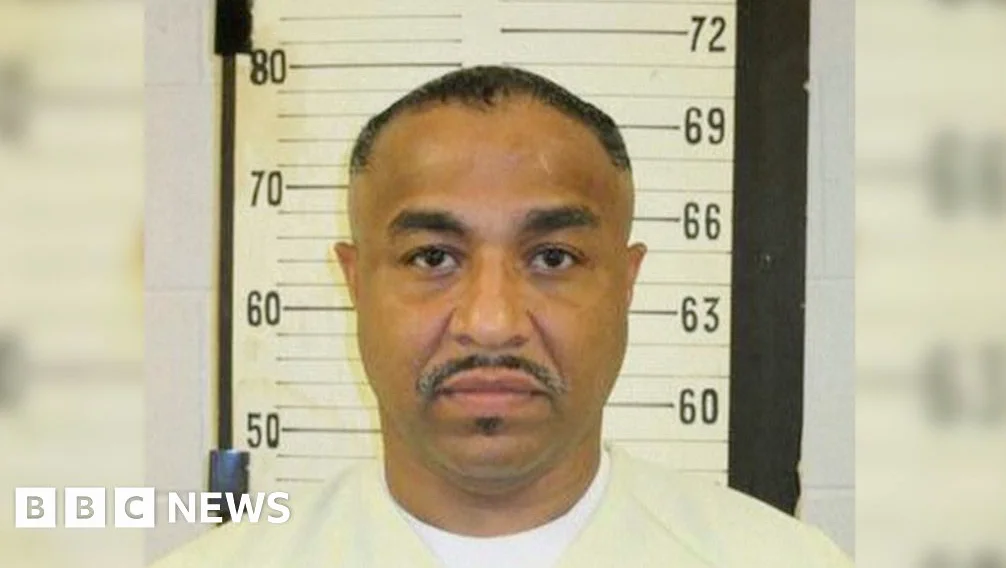
The scheduled execution of Tony Carruthers was called off on May 21 after Tennessee corrections officials failed to establish a backup IV line for a lethal injection, according to a statement from the Tennessee Department of Correction. Medical personnel were unable to find another suitable vein after spending over an hour attempting the procedure, leading to the cancellation of the execution.
Unsuccessful IV attempt and legal history
Carruthers, 58, was convicted in 1996 for the 1994 kidnappings and murders of Marcellos Anderson, his mother Delois Anderson, and Frederick Tucker in Memphis — he was forced to represent himself at trial after complaining about court-appointed attorneys and threatening several of them, according to reports. There was no physical evidence linking him to the crimes, and the prosecution’s case relied on testimony from informants, some of whom later recanted their statements.
Advocates, including the American Civil Liberties Union (ACLU), have argued for years that Carruthers’ trial was riddled with errors. The ACLU collected more than 130. 000 signatures calling for a halt to his execution to allow for DNA and fingerprint testing of evidence from the crime scene, and Religious and community leaders also delivered a petition with over 100,000 signatures to the governor’s office. Gov. Bill Lee refused to halt the execution despite the petition but announced a one-year reprieve hours after the failed attempt.
Botched executions and alternative methods
This incident is part of a growing trend of botched lethal injection attempts across the United States; In 2022, Alabama suspended executions after three unsuccessful attempts due to IV line complications. Death row inmates in some states have since opted for alternative methods like firing squads or oxygen deprivation to avoid the risks of lethal injection. In Idaho. Officials struggled to establish an IV line eight times during a 2024 execution attempt before calling it off, prompting legislation to make firing squads the primary method of execution.
Carruthers’ attorney. Maria DeLiberato. Called the failed execution attempt “barbaric” and said it was already a profound injustice to permit the execution to proceed without DNA testing — she was present for the attempt and reported that Carruthers was “wincing and groaning” during the hour-long effort to find a vein.
Public and legal response
Anti-death penalty advocates and religious leaders condemned the failed execution as a continuation of a flawed system. Tennesseans for Alternatives to the Death Penalty Executive Director Stacy Rector called the event “horrifying but not surprising.” Carruthers’ case gained national attention after celebrity advocate Kim Kardashian urged her followers to call the governor’s office and demand DNA testing before it was “too late,” according to US media reports.
The Tennessee Department of Correction did not immediately respond to a request for comment. Gov. Lee granted Carruthers a one-year reprieve, effectively pushing his next possible execution date to 2026. The case remains under legal review, and advocates continue to push for the testing of unexamined DNA and fingerprint evidence from the crime scene.






Comments
No comments yet
Be the first to share your thoughts