

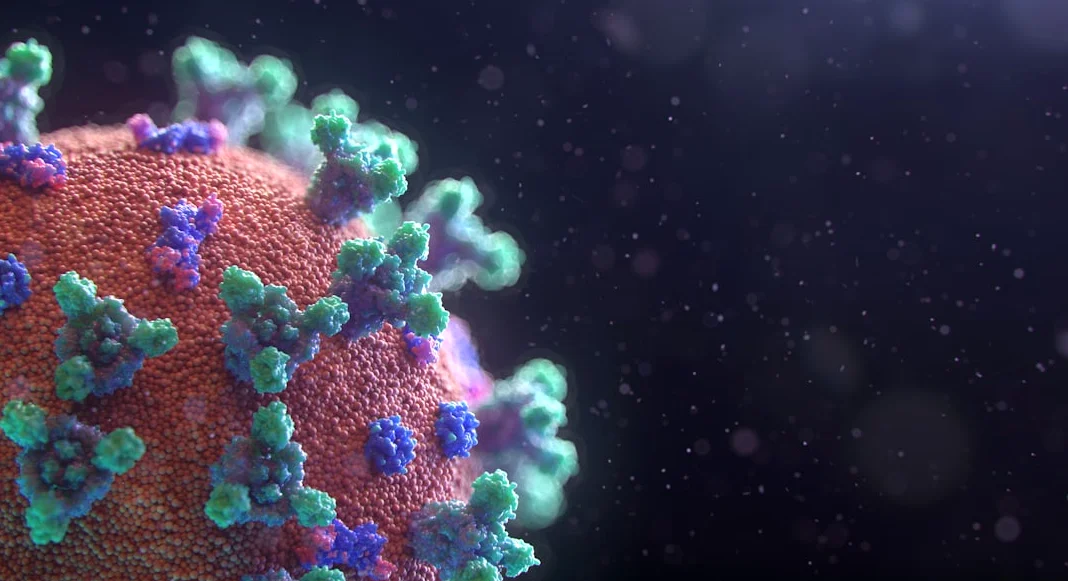
The hantavirus outbreak. Linked to the cruise ship MV Hondius, continues to raise concerns across multiple countries; the vessel, which departed from Ushuaia, Argentina, on April 1, made stops in Cape Verde and Tenerife before returning to Europe. A total of 12 individuals have now tested positive, with three deaths reported among the passengers. The Dutch National Institute for Public Health and the Environment (RIVM) stated that the 12th confirmed case is a person who had been in quarantine in the Netherlands and has since been admitted to the hospital as a precaution. This development shows the ongoing effort to trace the origin and spread of the virus.
Andes Strain Identified; Human-to-Human Transmission Possible
According to the RIVM. The strain involved in the outbreak is the Andes virus, the only known hantavirus capable of spreading from human to human; this distinction is significant, as most hantavirus cases are transmitted from rodents to humans. The WHO confirmed that the disease originated from the Andes Strain, and the chronology of infections appears to support the theory of human-to-human transmission, according to medical sources. This possibility has shifted the focus of investigations from rodent exposure to direct person-to-person spread among passengers who shared common spaces and activities.
One passenger. Who prefers to remain anonymous. Told EL PAÍS English that it is being suggested that the Dutch couple may have been the source of the infection. The couple had been traveling through South America in their van for months before boarding the cruise. The timeline of infections, as well as the nature of the Andes Strain, supports the hypothesis that the initial case may have led to a chain of transmission among close contacts on the ship.
Isolation and Monitoring of Passengers
Passengers who were exposed to the virus are being monitored closely. The UK Health Security Agency (UKHSA) reported that 20 British nationals are isolating at Arrowe Park Hospital in Merseyside. They were evacuated from Tenerife and are currently undergoing a 72-hour hospital stay before being asked to self-isolate for a further 42 days at home. Prof Robin May, chief scientific officer at the UKHSA, emphasized that all British evacuees are “healthy and asymptomatic.”
Similar measures are being taken across Europe and Africa. A woman in Paris is isolating in a hospital, and her health is deteriorating, according to French Health Minister Stéphanie Rist. She added that 22 of her close contacts have been traced and are under observation. In the Netherlands, individuals evacuated from the ship are being tested weekly, with two separate laboratories confirming the positive test for the 12th case. The RIVM noted that the person who tested positive had been isolating at home prior to hospitalization.
Ongoing Contact Tracing and Risk Assessment
Contact-tracing efforts are described as a “mammoth effort” by UKHSA officials. Prof May told BBC that the work is “something we will continue to do for some time.” He also indicated that the isolation period may be updated depending on what the science reveals. He reiterated that the risk to individuals not directly linked to the cruise is “extremely low indeed.”
The WHO is currently investigating how the virus initially came on board the ship. It is believed that the first case may have been contracted during a bird-watching expedition, where exposure to rodents is likely. Hantavirus is typically transmitted through inhaling aerosols of rodent feces, urine, or saliva, which was initially considered the most probable mode of transmission on the ship. However, as more data has emerged, the hypothesis of human-to-human transmission has gained more support among health officials.






Comments
No comments yet
Be the first to share your thoughts