

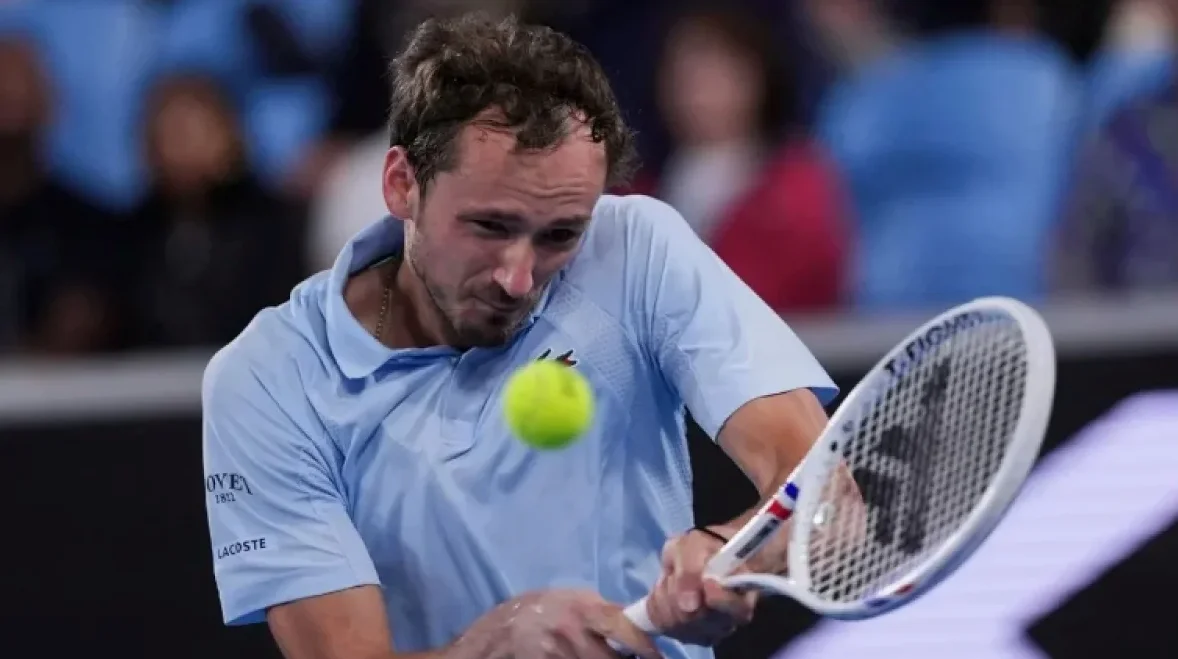
Tennis Indian Wells is experiencing unexpected logistical challenges as players and staff face delays caused by travel disruptions in the Gulf. Former US Open champion Daniil Medvedev, who won an ATP event in Dubai, spent several days in the city before being able to travel to California. The ATP Tour confirmed that a small number of players and team members remained in Dubai after the ATP 500 event and were being supported in official hotels. The situation has forced organizers and player bodies into crisis mode as they prepare for the upcoming tournament.
Impact on Tournament Schedule and Player Safety
The travel chaos has directly affected the BNP Paribas Open, with players who had been competing or training in the United Arab Emirates facing last-minute logistical hurdles. Medvedev, seeded 11th, posted on social media that he was safe and staying with a friend after flight cancellations followed the conclusion of the ATP 500 event in Dubai. Andrey Rublev, seeded 17th, also missed a pre-event exhibition in southern California after his travel plans were disrupted.
The conflict in the region triggered airspace closures and widespread flight cancellations across parts of the Gulf. This has not only delayed players but also forced organizers to shelter affected athletes and staff. The disruption has transformed routine tournament transfers into complex evacuations and financial decisions for teams and individuals bound for Tennis Indian Wells.
ATP and PTPA Respond to Crisis
The ATP Tour has addressed the situation, emphasizing the health, safety, and wellbeing of players, staff, and tournament personnel. In a statement, the organization confirmed that a small number of players and team members remained in Dubai following the recent ATP 500 event. Those affected were being accommodated in official hotels and had their immediate needs supported. The ATP said it was coordinating with tournament organizers and security advisors, with ongoing assessments of travel based on airline operations and official guidance.
The Professional Tennis Players Association (PTPA) took a more specific financial approach, offering assistance for emergency travel. The PTPA stated that the ATP Tour was providing players with the option of a charter flight at €5,000 per person and that the player association would cover half of that cost. The move was described as a way to ensure that no player is forced to choose between safety and financial stability.
Players stranded in the region reported mixed outcomes. One Belarusian player confirmed that evacuees from a tournament in Fujairah would be evacuated at no cost, with all expenses covered. This highlights the varied responses to the crisis, with some players receiving full support while others face financial strain.
Voices from the Field Express Concern
Defending men’s singles champion Jack Draper expressed concern for those affected by the travel disruptions. Draper, who had been in Dubai the previous week and managed to leave on one of the last flights, said he hoped the players and staff within the ATP would be able to make it to California. “The main thing is that they’re safe,” he said.
Coco Gauff also voiced concerns, noting that her coach was among those stranded and expressing worry about his safe arrival. The situation has highlighted the broader impact on players and their support staff, with many facing uncertainty about their ability to travel to Tennis Indian Wells on time.
The ripple effects of the crisis extend beyond tennis, with cricket, youth basketball, and soccer events in the region also affected or canceled. This illustrates a broader sporting halt tied to the same disruptions that have impacted entrants to Tennis Indian Wells. For the BNP Paribas Open, the immediate challenge is to reconcile a fixed match schedule and promotional commitments with last-minute absences and potential withdrawals.
Organizers have faced difficult decisions on accommodation, security, and whether to adjust exhibition programming when marquee names are delayed. For players and teams, the issue is both logistical and financial. The charter option priced at €5,000 per person and the PTPA’s offer to underwrite half the cost highlight how emergency transport becomes a contested responsibility when commercial flights cease.
The ATP’s assurances of on-site accommodation and ongoing assessments aim to buy time until airlines and official guidance permit safe departures. As the main draw approaches and early matches loom, the tournament’s ability to adapt without compromising player safety will be tested. Will further charters be arranged, or will the evolving travel picture force more players to miss scheduled matches?
The answers hinge on shifting airline operations, official advisories, and the pace at which stranded personnel can be moved from the Gulf to California. These factors will determine whether the tournament proceeds with its intended field or a noticeably altered lineup at Tennis Indian Wells.
With safety measures in place but uncertainty remaining, one central question persists: how will global sporting calendars and player protections evolve to accommodate sudden regional crises that ripple all the way to events like Tennis Indian Wells?






Comments
No comments yet
Be the first to share your thoughts