

 The Hindu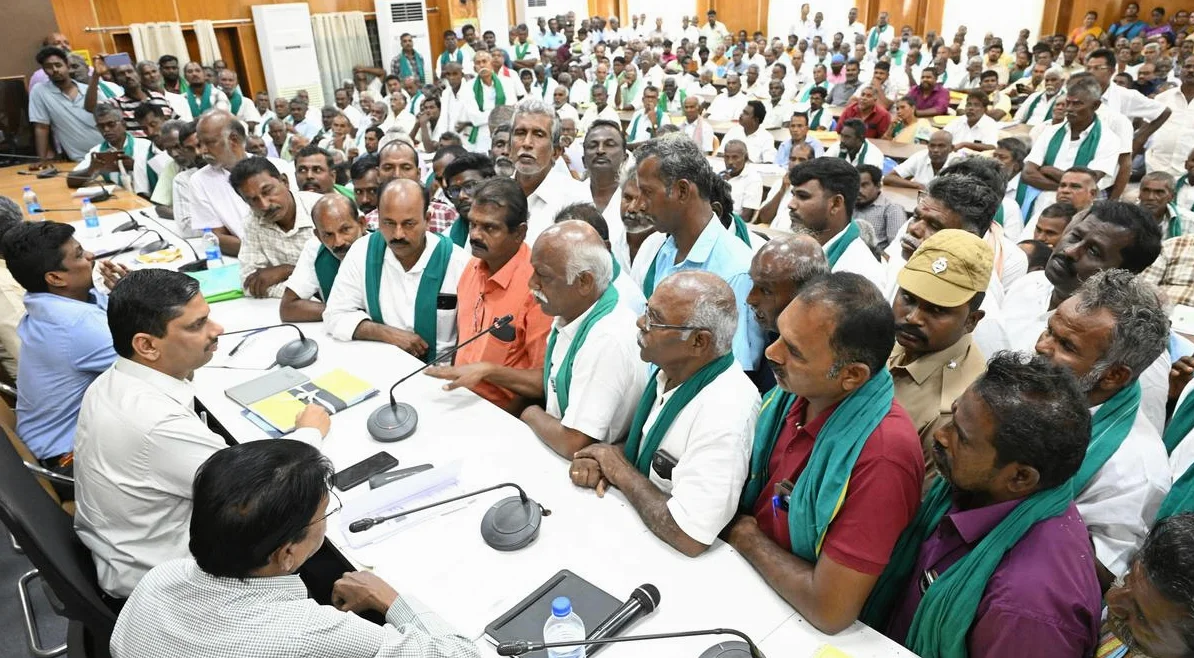
THOOTHUKUDI, India — Hundreds of dryland farmers packed a grievance meeting at the Thoothukudi Collectorate on Thursday, pressing Collector K. Elambahavath to classify Kovilpatti, Vilathikulam, Ettayapuram and Kayathar taluks as drought-affected zones. Inadequate monsoon rains last year triggered sharp drops in production, they said, leaving fields parched and harvests ruined.
The farmers, organized under groups like Thennaga Maanavari Vivasayikal Sangam, handed over petitions detailing the crisis. Villikseri K. Premkumar, the association’s president, told the gathering that 60% of yields in these areas suffered from the rainfall shortfall. Black gram, green gram, maize and other crops withered amid acute water scarcity, he added, pushing many growers into heavy debt.
Officials face accusations of padding rainfall data for the district. Farmers demanded an honest review and immediate relief packages for the impacted rain-fed lands. Elambahavath pushed back, explaining that figures came from both automatic and manual rain gauges with no irregularities. Southern taluks like Tiruchendur, Udangudi and Sathankulam fared better with ample downpours, he noted, while the north lagged.
The collector pledged a thorough probe into rainfall averages, actual precipitation, drought thresholds and crop losses across the four taluks. “If the data meets drought criteria, we’ll forward a recommendation to the state government,” Elambahavath said.
Grievances spilled beyond drought. Farmers called for flood relief funds to reach every eligible recipient. They urged government procurement of maize at the minimum support price after a district-wide shift to the crop—over 10,000 hectares—from others tanked local prices. Supplies of fertilizers remained urgent in Sathankulam, and wild boar raids demanded action.
Elambahavath responded point by point. He acknowledged the maize glut as the price culprit and assured flood aid distribution to all qualifiers. Fertilizers head to Sathankulam right away, he said. District Revenue Officer A. Ravichandran, District Forest Officer M. Ilayaraja, Joint Director of Agriculture Krishnakumar and others attended the session.
Rain-fed farming dominates these northern pockets, making them vulnerable to monsoon whims. Last year’s shortfall amplified long-standing woes like erratic water access and pest invasions. Premkumar warned that without swift drought status and aid, more farmers risk abandoning fields altogether.
State agriculture officials track such pleas closely amid India’s variable weather patterns. Tamil Nadu districts often grapple with mismatched rains, pitting irrigated south against drier north. Elambahavath’s assessment could unlock subsidies, crop insurance payouts and seed replacements if approved.




Comments
No comments yet
Be the first to share your thoughts