

 The Guardian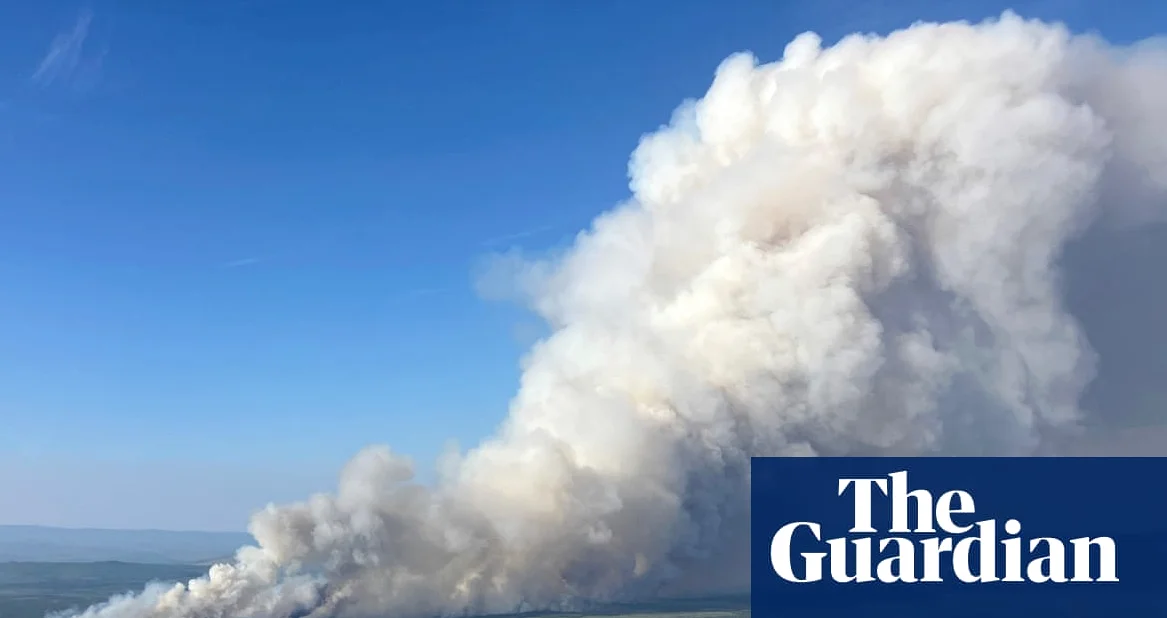
Thousands of lightning strikes have triggered fresh wildfires in western Canada, with 90 active fires reported in British Columbia and 25 evacuation orders issued as of Friday morning, according to The Guardian. Canada is experiencing one of the most intense wildfire seasons on record, as nearly 34,000 lightning strikes over the past week have led to new fires in the region. Authorities warn that warming and drying conditions could cause these fires to grow, with Hugh Murdoch, the incident commander near Kimberley, stating that the weather forecast is far from favourable.
Record-Breaking Wildfire Season
Wildfires fuelled by intense heat and lightning storms attributed to warmer temperatures have burned remote forests across Canada this summer, while Smoke from these fires drifted across large US east coast and midwestern cities last week, highlighting the widespread impact. As of Friday. There were 139 active wildfires in north-west Ontario, of which 32 were not under control; the prime minister, Mark Carney, described the situation as one of the most intense wildfire seasons on record.
Government Mobilization and International Support
In response. The federal government announced it would mobilize more than 5,300 firefighters and about 300 water bombers, helicopters, and evacuation aircraft to battle the fires. Mexico will also send as many as 200 firefighters in the coming weeks to assist — About 2.95m hectares (7.29m acres) of land have been burned this year, surpassing the 10-year average of about 2.55m hectares. Canada currently has more active wildfires than it did at the same time in either of the past two years.
Evacuations and Air Quality Concerns
Thousands of people. Including some First Nations communities, have been evacuated this summer as a result of the wildfires. Environment Canada issued an alert for poor air quality in Banff, Alberta, and surrounding areas on Friday, although conditions are expected to improve for most areas over the weekend. Hugh Murdoch emphasized that there is no significant help from mother nature in the foreseeable future, highlighting the challenges faced by firefighting efforts; Meanwhile, improving weather in the east has helped Quebec tame some blazes with assistance from firefighters from neighbouring provinces, France, and the US.
Stéphane Caron of Quebec’s forest fire prevention agency Sopfeu said the situation in Quebec is under control, with good weather aiding efforts. He warned that hot weather without rain could reignite fires if hotspots remain. Canada’s forested areas account for 28% of the world’s boreal forests, emphasizing the significance of the current wildfire crisis and its potential global implications.





Comments
No comments yet
Be the first to share your thoughts