

 Bloomberg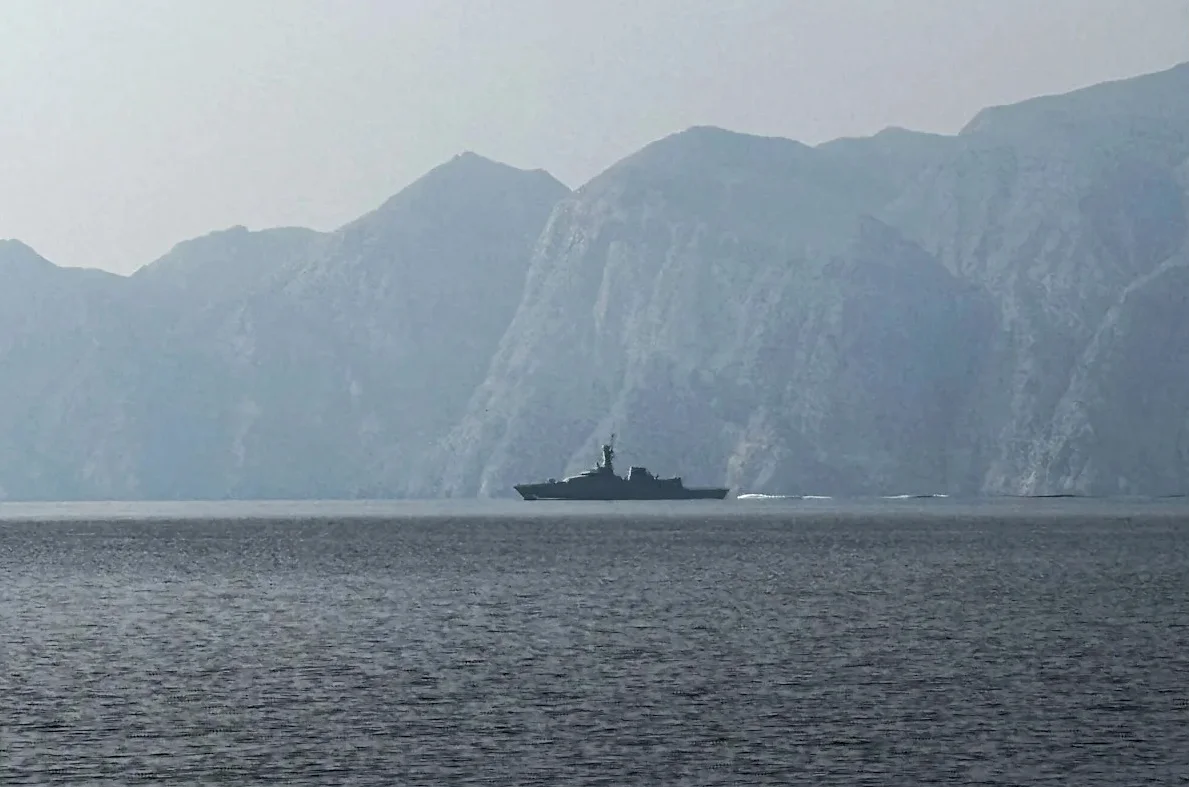
The UK Maritime Trade Operations Center confirmed on Wednesday that three ships had been hit by projectiles in the Strait of Hormuz and Persian Gulf, marking the latest escalation in a conflict that has disrupted global energy flows and shipping routes. The incidents occurred near Oman, Ras Al-Khaimah, and Dubai, according to the center, which monitors maritime traffic and security in the region.
Impact on Global Shipping and Energy Markets
The Strait of Hormuz, a narrow waterway through which about 20% of the world’s seaborne oil passes, has become a focal point of tension. Since the U.S. and Israel launched airstrikes on Iran in late February, the region has seen a sharp increase in attacks on ships. According to the UKMTO, there have been at least 10 reported incidents between February 28 and March 10. The latest attacks have further complicated an already fragile situation, with traffic through the strait nearly grinding to a halt.
Iran has been accused of carrying out attacks on tankers and other vessels, including a recent strike on a Japanese oil tanker, which was later confirmed to have been hit by a missile. The UKMTO said the threat level in the area remains ‘critical’ and urged shipping companies to exercise caution.
The disruption of maritime traffic has forced some of the Gulf’s largest oil producers to reduce output. According to the International Energy Agency, several countries have started filling storage tanks with crude oil as exports through the strait have slowed. The economic impact is being felt globally, with oil prices rising as traders worry about potential supply disruptions.
U.S. Response and Naval Presence
Despite the growing threat, the U.S. has not yet launched a formal naval escort operation in the region. The White House has denied claims made by a now-deleted social media post from Energy Secretary Chris Wright, who had stated that the U.S. Navy had successfully escorted a tanker through the strait. The White House emphasized that the U.S. is monitoring the situation closely but has not yet taken direct action.
The U.S. has previously stated that it will provide naval support to protect shipping in the region, but officials have not confirmed when such operations might begin. The lack of a visible U.S. military presence has raised concerns among shipping companies and energy firms, many of whom have been urging for greater protection.
According to the UKMTO, the fire on the cargo ship hit in the Strait of Hormuz has been extinguished, and there is currently no environmental impact. However, the vessel remains in the area with only a skeleton crew on board. The identities of the other two vessels have not been disclosed, and no injuries have been reported.
Historical Context and Escalation of Tensions
This is not the first time the Strait of Hormuz has been a flashpoint for regional conflict. In 2019, similar tensions emerged after the U.S. killed Iranian General Qasem Soleimani, leading to a series of attacks on oil tankers and a significant rise in oil prices. The current situation, however, is more intense, with multiple incidents reported in a short period.
Analysts warn that the situation could escalate further if diplomatic efforts fail to de-escalate tensions. The U.S. and Iran have been engaged in a series of tit-for-tat actions, with each side accusing the other of aggression. The involvement of other regional actors, including Israel and Gulf states, has added to the complexity of the situation.
According to the UKMTO, the threat level remains high, and shipping companies are being advised to take additional precautions. The center said that vessels should avoid the area unless absolutely necessary and should maintain constant communication with maritime authorities.
The U.S. has previously stated that it is committed to protecting the free flow of commerce in the region but has not yet taken decisive action. The absence of a clear U.S. response has left many in the shipping and energy industries concerned about the long-term implications of the current crisis.






Comments
No comments yet
Be the first to share your thoughts