

 El País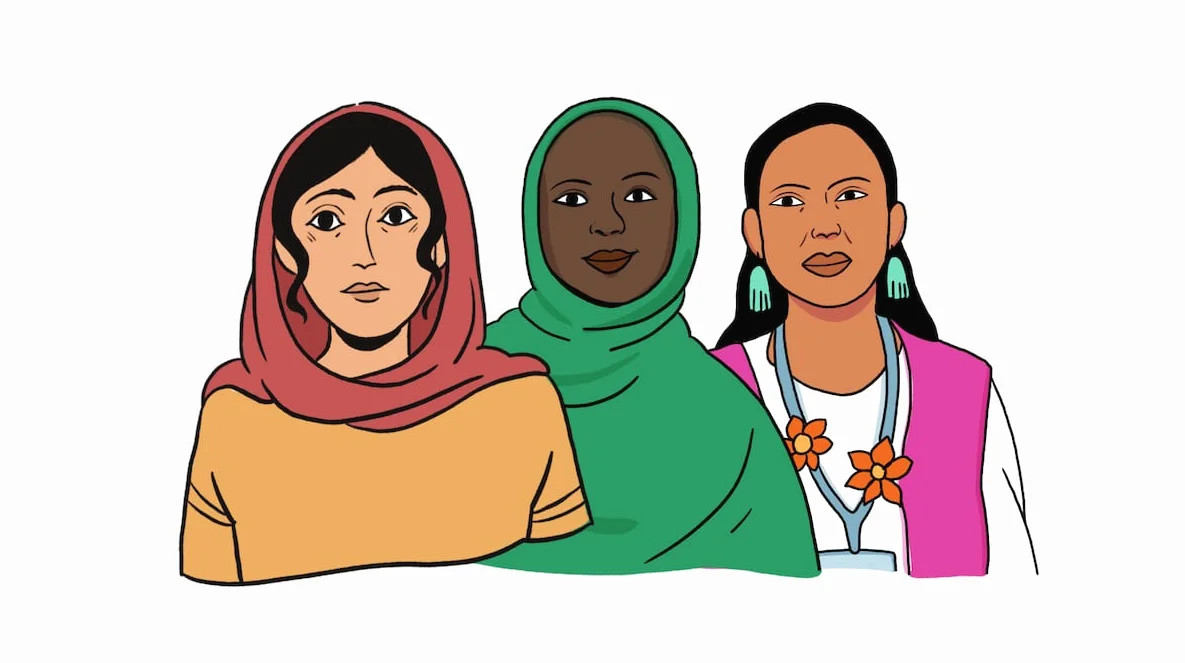
The world’s most vulnerable populations are bearing the brunt of a dramatic shift in global aid policies, with women in Afghanistan, Nigeria, and Colombia facing worsening humanitarian conditions due to the collapse of international funding. The United States and major European donors have drastically reduced development aid, a move that has sent shockwaves through the humanitarian sector and threatens to reverse decades of progress in global health and women’s rights.
The Human Toll of Aid Cuts
Afghanistan, Nigeria, and Colombia are just three of the many countries where the impact of reduced funding is being felt most acutely. Tamanna, Hamada, and Carmen—three women from these nations—represent the growing number of individuals whose lives are being upended by the sudden withdrawal of international support.
Tamanna, from Afghanistan, has seen her access to healthcare diminish since the Taliban’s return to power in 2021, exacerbated by the U.S. decision to eliminate USAID funding. Hamada, a mother in Nigeria, is struggling to access prenatal care due to the collapse of maternal health programs. Carmen, in Colombia, is grappling with the consequences of reduced aid for victims of the country’s long-standing internal conflict.
According to Kellie Leeson of the Women’s Refugee Commission, the immediate impact of these cuts is already being felt. ‘What we are seeing now is the immediate impact. The long term is going to be devastating,’ she said, citing a study that found 94% of U.S. funding for sexual and reproductive health was eliminated after the dismantling of USAID.
Women and the Crisis in Global Health
Women and girls are disproportionately affected by the cuts, as they make up a larger share of the population living in poverty and depend more heavily on humanitarian assistance. Development aid has historically focused on issues such as maternal and child health, family planning, and violence against women—areas often neglected by recipient governments.
The Guttmacher Institute estimates that 17 million unintended pregnancies have resulted from the cuts in just one year, a figure that highlights the deepening crisis. In Nigeria, where maternal mortality rates are already high, the lack of funding for health programs has placed additional strain on pregnant women and their families.
‘When funding for health fails to arrive and the sick cannot be treated, women are usually the ones who take on the burden of care,’ said Zubaida Baba Ibrahim, a Nigerian journalist who reports on the impact of aid cuts. ‘They abandon their life plans and even their own health to ensure their families survive.’
The Global Implications of a Shrinking Aid Landscape
The decline in international funding has sparked intense debate about the role of humanitarian aid and the need for reform. While critics argue that aid creates dependency and often reflects donor priorities, the abrupt cuts have left many countries without the resources to address pressing health and social issues.
‘Cutting aid abruptly, without time to build alternatives for self-sufficiency, pushes the most vulnerable countries toward humanitarian catastrophe,’ said Leeson. ‘It endangers decades of progress in global health that affect us all.’
The United Nations has warned that child mortality has risen for the first time in 25 years, partly due to the lack of resources for pregnant women. This is a stark reminder of the real-world impact of the current crisis, which is not limited to the countries most directly affected but has global implications.
As the world grapples with the consequences of these cuts, the stories of Tamanna, Hamada, and Carmen serve as a powerful reminder of the human cost. Their lives, like those of millions of others, are being shaped by decisions made in distant capitals, where the priorities of rearmament and national interests are taking precedence over global cooperation.
What comes next remains uncertain, but one thing is clear: the humanitarian sector is at a crossroads, and the choices made in the coming years will determine the fate of millions of people around the world.






Comments
No comments yet
Be the first to share your thoughts