

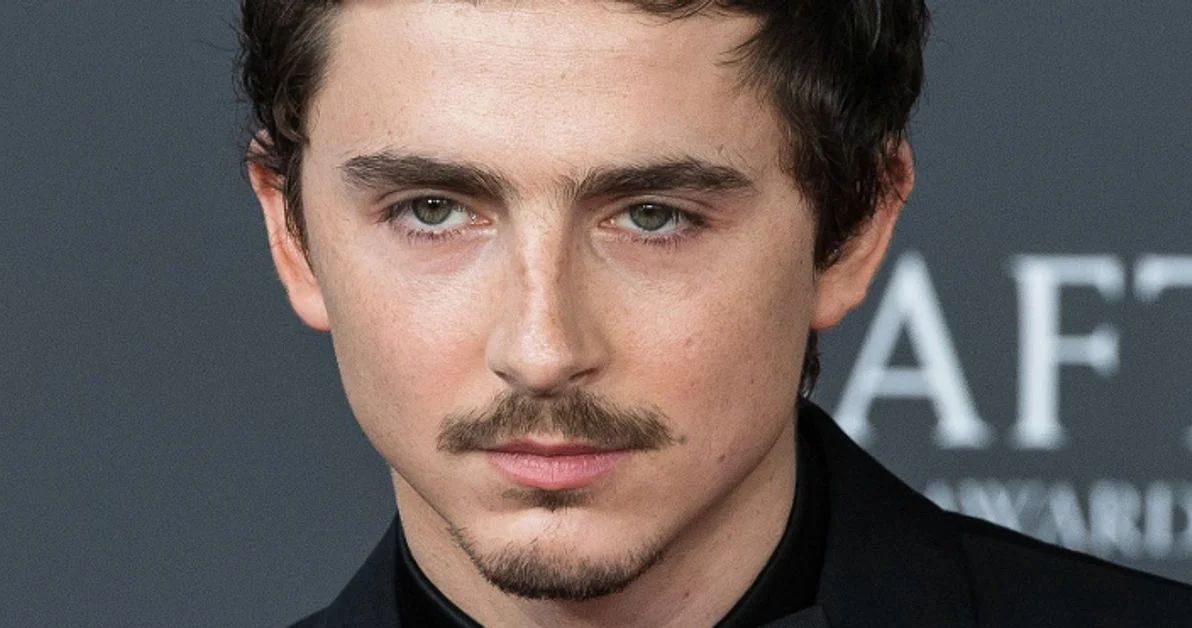
Timothée Chalamet, the Oscar-nominated star of A Complete Unknown, has found himself at the center of a controversy after making dismissive comments about ballet and opera during a recent conversation with actor Matthew McConaughey. The remarks, made during a live discussion with Variety, have ignited backlash from artists in the classical arts community, who accuse Chalamet of disrespecting their craft.
The Interview That Sparked the Controversy
The exchange occurred as part of a live interview with Variety, where Chalamet and McConaughey discussed the evolving nature of cinema in the age of short attention spans. McConaughey asked whether the film industry was losing attention by prioritizing faster-paced storytelling. Chalamet responded by acknowledging that some audiences still appreciate slower, more deliberate films, citing Guillermo del Toro’s Frankenstein as an example.
However, Chalamet’s comments took a controversial turn when he said, “I don’t want to be working in ballet or opera where it’s like, ‘hey, keep this thing alive, even though no one cares about this anymore.’” The remark, which he later backtracked on, drew immediate criticism from artists in the ballet and opera communities.
“All respect to the ballet and opera people out there,” Chalamet added, acknowledging his own misstep. “I just lost 14 cents in viewership. I’m taking shots for no reason.” McConaughey responded with a measured reply, saying, “That’s not a shot, I hear what you’re saying.”
Artists Condemn the Remarks
The comments have been widely condemned by performers in the classical arts. Canadian mezzo-soprano Deepa Johnny took to social media to express her disappointment, stating, “What a disappointing take. There is nothing more impressive than the magic of live theatre, ballet and opera. We should be trying to uplift these art forms, these artists and come together across disciplines to do that.”
American opera singer Isabel Leonard called Chalamet’s remarks “narrow-minded,” writing, “Honestly, I’m shocked that someone so seemingly successful can be so ineloquent and narrow-minded in his views about art while considering himself as an artist as I would only imagine one would as an actor.”
LA-based singer and photographer Franz Szony offered a scathing critique, stating, “Two classical art forms that have been around for hundreds of years, both of which take a massive amount of talent and discipline this man will never possess. Speaks volumes about his taste level for him to say this… also, saying ‘no disrespect’ after saying something disrespectful actually translates to ‘I disrespect art I don’t understand.’”
Why This Matters for the Arts
Chalamet’s comments have sparked a broader conversation about the place of classical arts in modern culture. Opera and ballet, which require years of rigorous training and often struggle for mainstream visibility, are seen by many as underrepresented in contemporary entertainment. Critics argue that remarks like Chalamet’s can further marginalize these art forms.
According to the National Endowment for the Arts, only 2.7% of the U.S. population attended a live performance of opera or ballet in 2023, a figure that has remained stagnant despite efforts to increase accessibility. Advocates for the arts argue that such low engagement figures are often used to justify the perception that these forms are outdated or irrelevant.
However, many artists and cultural institutions insist that the value of these art forms lies in their ability to inspire and provoke thought, regardless of current trends. “The impact of these mediums are long lasting and life changing,” Deepa Johnny wrote, emphasizing the enduring significance of classical performance.
Chalamet has not publicly addressed the backlash in detail since the interview, though his representatives have expressed regret over the remarks. The controversy is expected to continue as the arts community grapples with how to respond to such high-profile criticism.
What remains to be seen is whether this incident will lead to a broader dialogue about the importance of supporting and preserving classical arts in an increasingly fast-paced entertainment landscape.






Comments
No comments yet
Be the first to share your thoughts