

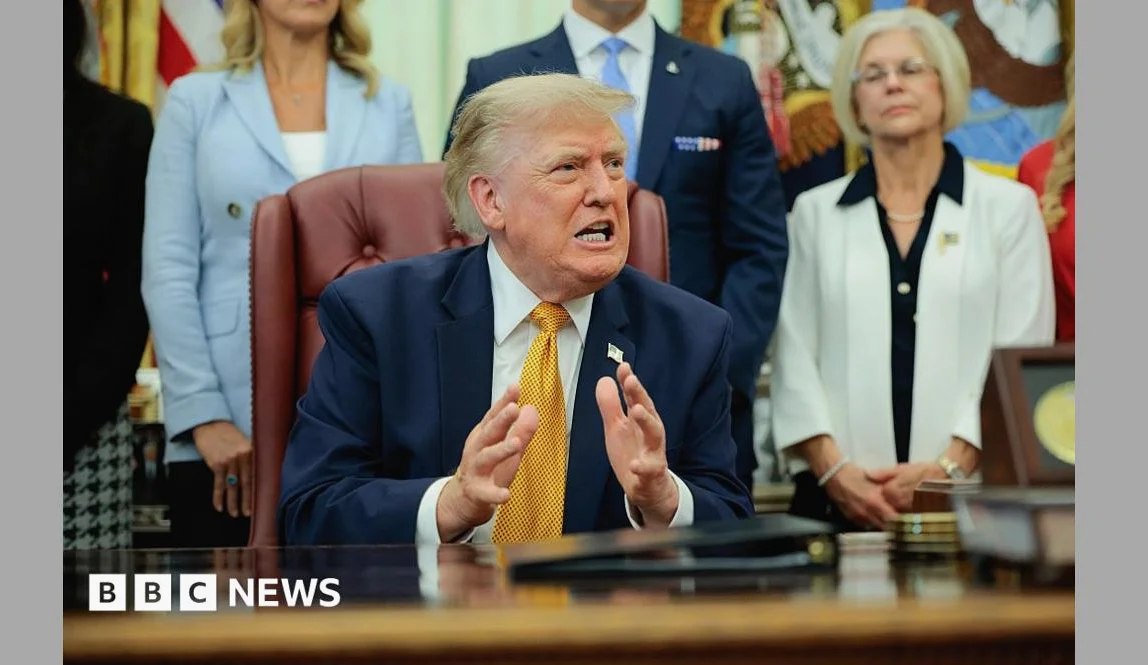
The Trump administration has paid back $100 billion in ‘Liberation Day’ tariffs to businesses, according to BBC and The Guardian. However, nearly $29 billion in potential refunds remains under review by trade authorities, and another $1.6 billion is stuck due to incomplete banking details from importers.
Supreme Court Ruling and Legal Challenges
The repayments follow a major Supreme Court decision in February, where judges ruled that broad import tariffs introduced under economic powers were unlawful. The White House had cited the 1977 International Emergency Economic Powers Act (IEEPA), which grants the president the power to regulate trade in response to an emergency. However, the measures faced criticism from both domestic and international businesses due to the sudden increase in taxes on incoming shipments and concerns about rising consumer prices.
Following the court ruling, a coalition of 25 U.S. states sued the Trump administration over a new round of tariffs. These tariffs, ranging from 10% to 12.5%, were imposed on over 80 countries, including the UK, Mexico, Canada, Australia, India, China, and the EU’s 27 member states. The states argue the tariffs are a pretext for replacing import taxes struck down by the Supreme Court and have requested the CIT to stop the tariffs, declare them unlawful, and order refunds of duties already paid.
Impact on Businesses and Consumers
Since the Supreme Court decision, several major American corporations have already claimed large sums back. Amazon received about $600 million in refunds during the second quarter, according to finance chief Brian Olsavsky. Olsavsky stated on the company’s earnings call that Amazon would pass some money back to customers where specific charges were applied, with the remaining funds used to support lower store prices.
Under U.S. customs law, only importers who directly paid tariffs can claim refunds, leaving any consumer relief entirely up to individual businesses. The overall tariffs payout is expected to rise further as U.S. Customs continues to review pending claims and importers update their banking details.
Federal Deficit and Economic Impact
Despite the large refunds, the U.S. federal deficit has grown to $1.37 trillion in the first nine months of the fiscal year, up 2% compared with the same period in 2025. This increase is attributed to rising tax revenue and tariff income. The Trump administration has justified the latest round of tariffs under section 301 of the Trade Act of 1974, which targets countries engaging in forced labor. Officials argue that the countries involved have not done enough to crack down on products made by forced labor.
New York Attorney General Letitia James criticized the Trump administration, stating it is “once again trying to illegally raise taxes on families and businesses with a new round of tariffs.” The states involved in the legal action argue that the tariffs on 59 countries and the EU cover 99.4% of U.S. imports, highlighting the broad reach and potential impact on the U.S. economy.






Comments
No comments yet
Be the first to share your thoughts