

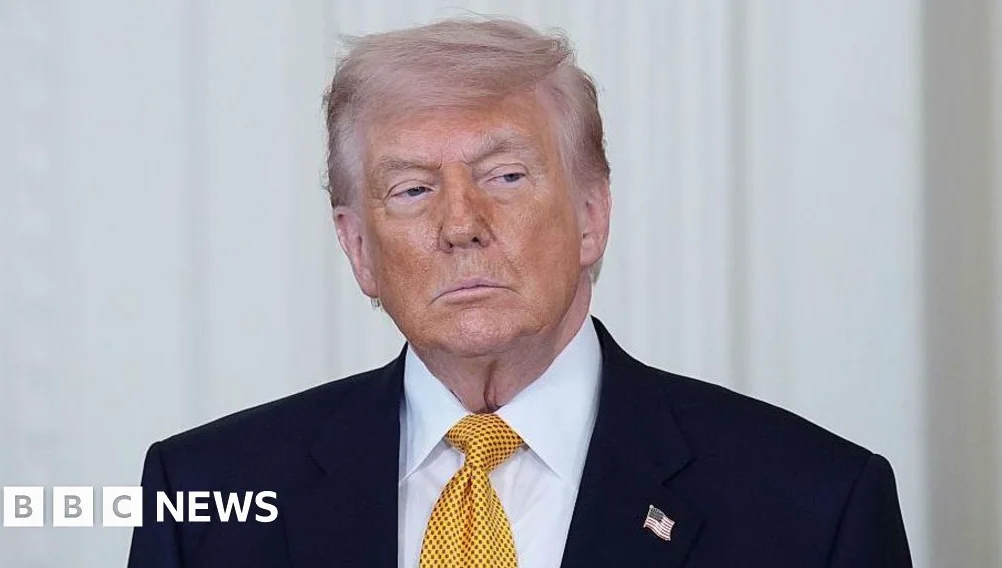
According to BBC sources. Trump’s criticism of Iran’s response to the US proposal to end the war has intensified tensions in the region. The proposal. Which outlined terms contingent on a final agreement, was reportedly met with a rejection from Iran, which has continued to block the Strait of Hormuz; this move has led to a rise in global oil prices and prompted the US to enforce a blockade of Iranian ports, angering Iran further.
Strait of Hormuz and International Response
Iran’s military spokesman, Mohammad Akraminia, warned that vessels passing through the Strait of Hormuz would face ‘severe consequences’ if they did not first co-operate with Tehran, according to Irna news agency. Akraminia also dismissed the US’s ability to establish a blockade in the region, noting that the US has a significant military presence across the Gulf. The UK’s Royal Navy announced the deployment of a warship to the Middle East to join an international mission to safeguard shipping in the Strait of Hormuz, according to BBC. UK Prime Minister Sir Keir Starmer emphasized that the mission would only proceed once fighting in the region ends.
Tensions in Italy-US Relations
Italy’s Prime Minister Giorgia Meloni, a close ally of Trump, has faced mounting pressure to balance her relationship with the US amid domestic opposition to the war in the Gulf and its economic impact. Before meeting with US Senator Marco Rubio, Italy’s Foreign Minister Antonio Tajani described the discussions as constructive. Tajani emphasized the importance of transatlantic ties, stating, ‘I am convinced that Europe needs America, Italy needs America, but the United States also needs Europe and Italy.’ Trump has criticized Meloni’s stance on the Iran war, warning that the US could reconsider its military presence in Italy. Rome has resisted direct involvement in the conflict, including declining to allow US aircraft to use the Sigonella airbase for combat operations linked to the war.
Pakistan’s Role in Ceasefire Negotiations
Pakistan has played a key role in facilitating ceasefire talks between the US and Iran. According to Pakistan Today, Prime Minister Shehbaz Sharif announced that Iran and the US had agreed to an immediate ceasefire, including in Lebanon, and invited both sides to Islamabad on April 10 for talks aimed at securing a lasting settlement. Sharif expressed hope for a positive outcome and welcomed the ceasefire, thanking the leadership of both countries for showing ‘remarkable wisdom and understanding.’ However, White House Press Secretary Karoline Leavitt stated that the US had not yet formally agreed to the ceasefire, noting that discussions were ongoing about in-person talks. A White House official also mentioned that Israel had agreed to the ceasefire arrangement between Washington and Tehran. The breakthrough followed a request from Pakistan after Trump announced he would suspend bombing of Iran for two weeks if Tehran fully reopened the Strait of Hormuz.






Comments
No comments yet
Be the first to share your thoughts