

 New York Times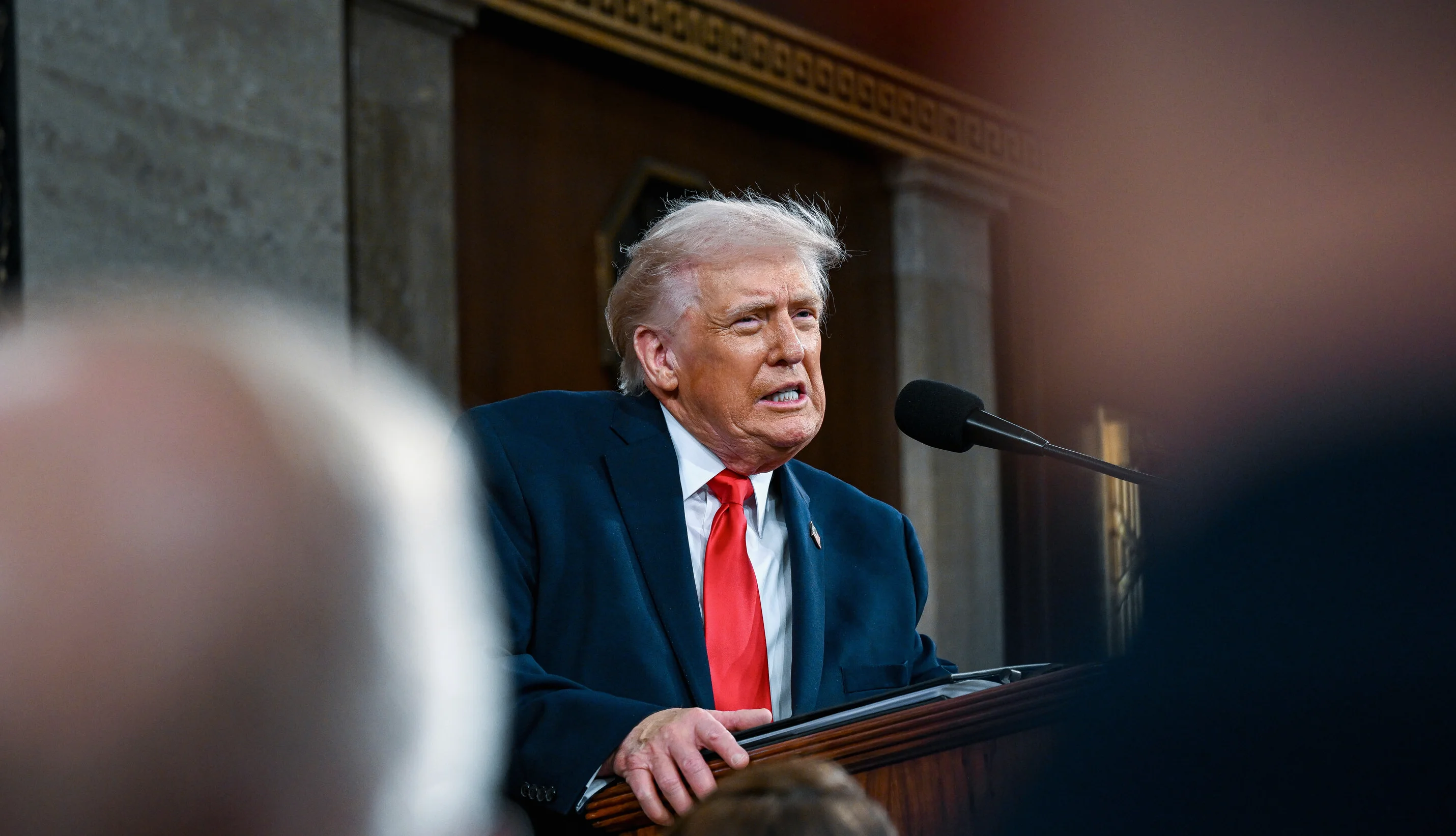
President Donald Trump asserted during his State of the Union address on February 24, 2026, that a new military campaign has virtually stopped drug smuggling by sea and significantly reduced the overall flow of narcotics into the United States. ‘With our new military campaign, we have stopped record amounts of drugs coming into our country and virtually stopped it completely coming in by water or sea,’ Trump said, addressing a divided Congress and a nation grappling with the ongoing opioid crisis.
Impact on Drug Smuggling and Border Security
According to the White House, the campaign has led to the seizure of over 1.2 million pounds of narcotics in the past year, with a 78% decrease in drugs entering through maritime routes, as reported by the Department of Homeland Security. The administration claims that these efforts have been crucial in reducing the availability of fentanyl and other synthetic opioids, which have been responsible for over 100,000 overdose deaths in the United States since 2020.
However, independent analysts have cast doubt on the accuracy of these claims. ‘The data on drug seizures is often inflated,’ said Dr. Emily Carter, a public health researcher at the University of California. ‘There’s a difference between seizures and actual drug use. While these operations may disrupt supply chains, they do not necessarily address the root causes of addiction.’
Trump’s remarks were made amid a broader State of the Union speech that included a mix of policy proposals, personal attacks on Democrats, and a reaffirmation of his stance on economic and foreign policy. The president also reiterated his claims of widespread election fraud, a position that has been widely debunked by courts and election officials.
Controversy and Congressional Reactions
The speech was marked by tension, with several Democratic lawmakers expressing frustration with Trump’s rhetoric and policies. Representative Ilhan Omar of Minnesota confronted Trump directly, shouting, ‘You’ve killed Americans!’ in response to his comments on military engagements. Trump responded with a sharp retort, telling her, ‘You should be ashamed of yourself.’
Representative Al Green, a Democrat from Texas, was escorted out of the House chamber after holding up a sign that read ‘Black people aren’t apes!’ in response to a racist video posted on Trump’s social media account earlier in the month. The incident highlighted the deepening polarization and racial tensions surrounding the administration.
Despite Trump’s dominance over the Republican Party, there have been growing concerns among some GOP lawmakers about the electoral consequences of his agenda. Several Republicans have begun to question whether Trump’s policies, including his controversial tariff policies and his rhetoric on immigration, could alienate key voter groups.
Earlier in the week, the Supreme Court dealt a significant blow to Trump’s signature tariff policy, ruling that the administration had overstepped its authority in imposing tariffs on Chinese goods. Trump dismissed the ruling as ‘totally wrong’ and vowed to push for an ‘even stronger’ solution to protect American industries.
Trump also announced that Vice President JD Vance would lead a ‘war on fraud,’ a campaign he claimed would balance the federal budget if fully implemented. However, experts have criticized this claim as baseless. ‘There’s no evidence to support the assertion that fraud is the primary cause of the federal deficit,’ said Michael Johnson, an economics professor at Harvard University.
What’s Next for Drug Enforcement and Policy
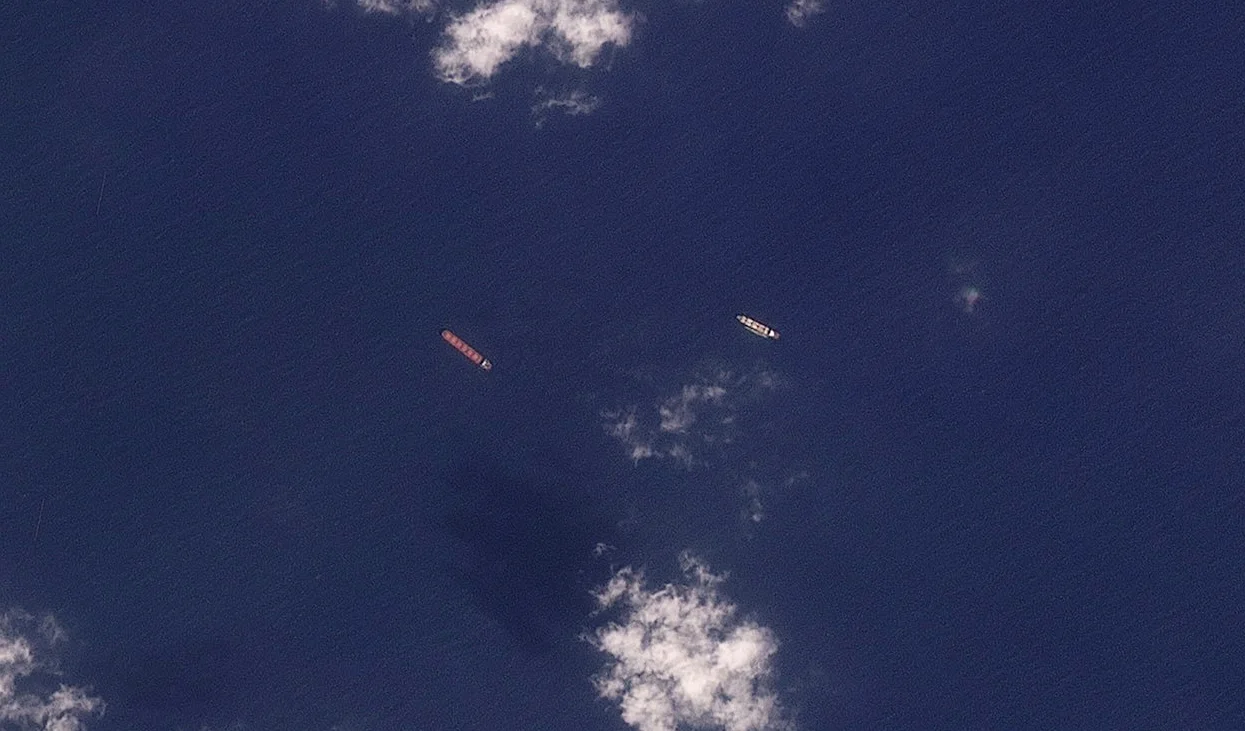
The administration has not provided detailed information on the military campaign it claims has curbed drug smuggling. However, officials have suggested that the operation includes enhanced surveillance of maritime routes, increased naval patrols, and cooperation with international allies. The Department of Defense has not released specific figures on the number of troops or resources allocated to the effort.
With the 2026 midterms approaching, the White House is expected to continue emphasizing its successes in drug enforcement as a key part of its re-election strategy. However, independent watchdog groups and lawmakers from both parties are likely to scrutinize the administration’s claims and demand more transparency.
Analysts say that the effectiveness of Trump’s military campaign will be measured not only by the number of drug seizures but also by the long-term impact on drug use rates and public health outcomes. ‘We need to look at more than just seizures,’ said Dr. Carter. ‘The real test will be whether this leads to a measurable decline in overdose deaths and addiction rates.’
The administration has not set a specific timeline for evaluating the success of the campaign, but officials have indicated that they will provide an update in the coming months. Until then, the debate over the true impact of Trump’s drug enforcement efforts is likely to continue.




Comments
No comments yet
Be the first to share your thoughts