

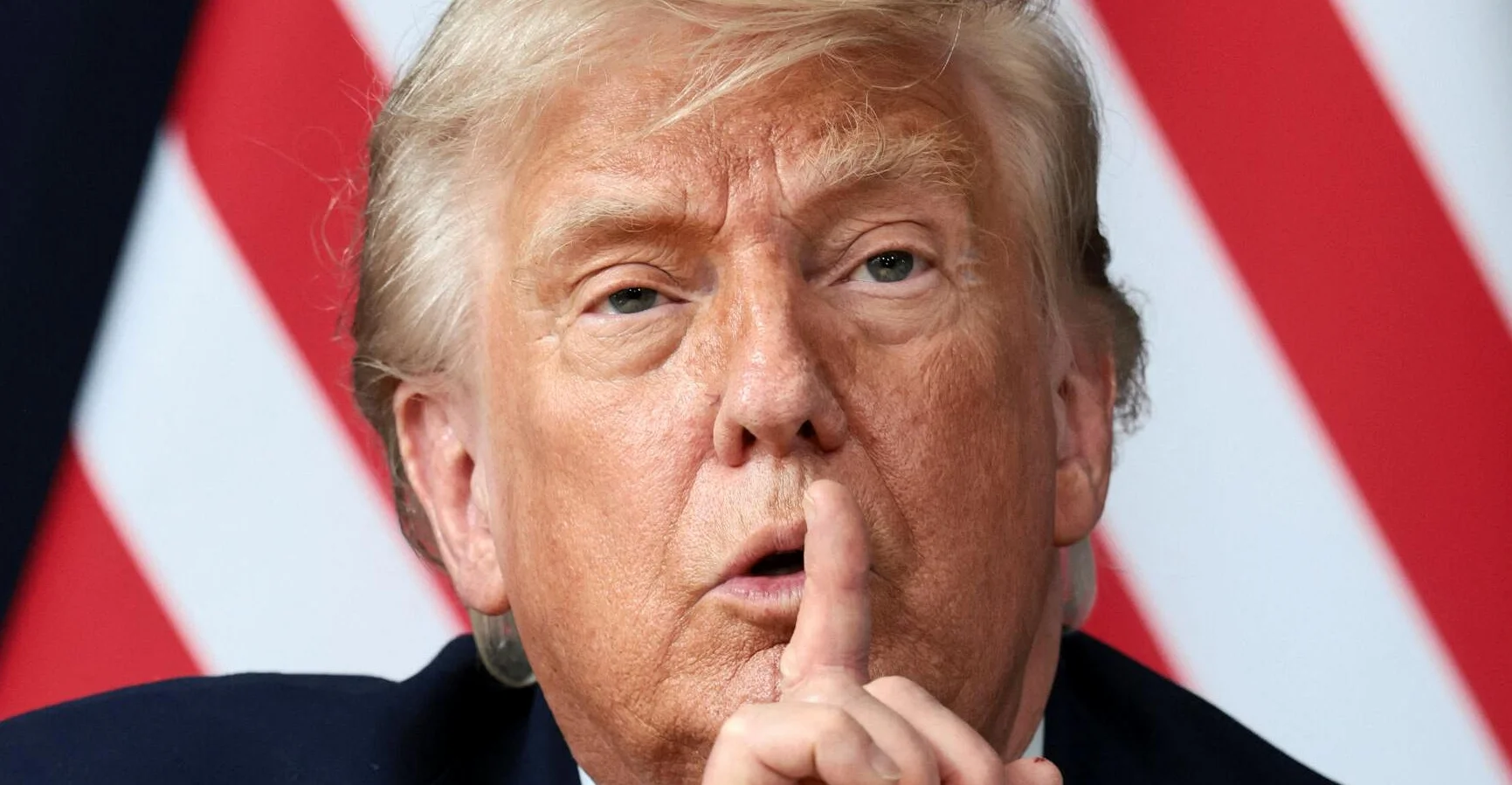
U.S. President Donald Trump told a roomful of global leaders at the G7 summit in Evian-les-Bains, France, on June 15, ‘I’m the boss,’ according to UnionLeader.com. His remark came amid a joint statement from G7 leaders acknowledging Ukraine’s improved battlefield performance and pledging support, including new sanctions against Russia. The statement could strengthen Ukraine’s exploit in potential peace talks with Moscow.
U.S. support and diplomatic tone shift
The G7 leaders’ statement reflected a growing international consensus to support Ukraine as it gains battlefield advantages, according to UnionLeader.com. This shift in tone signals stronger backing for Kyiv and aligns with broader Western efforts to counter Russian aggression. Fresh sanctions were also announced, further isolating Moscow economically.
BND warns of long-term Russian goals
German intelligence chief Bruno Kahl, in an interview with the podcast Table.Today, warned that Russia sees the war in Ukraine as a stepping stone toward broader goals in the West, according to T-Online. Kahl stated, ‘We are very sure and have intelligence evidence that Ukraine is only one step on the way to the West.’ He emphasized that Moscow does not believe the NATO Article 5 collective defense clause will hold, and it may test this belief through smaller, indirect actions.
Article 5 of the NATO charter obliges all member states to assist any ally under attack, but Kahl questioned whether a U.S. president would send American troops to defend European NATO allies like Estonia. ‘Would an American president send GIs over the Atlantic?’ Kahl asked, suggesting that Moscow is testing the resilience of the alliance through smaller provocations rather than large-scale military actions.
Ukraine as a proxy for greater geopolitical shifts
Kahl argued that Russia’s goal is to push NATO back to its 1990s-era boundaries and to reduce American influence in Europe. ‘They want to catapult NATO back to the level of the late 90s. They want to kick America out of Europe and will use any means to achieve that,’ he said. According to Kahl, this broader strategy involves destabilizing NATO cohesion and exploiting internal European divisions.
While Trump’s G7 remarks were seen as a show of U.S. dominance and a shift toward more decisive support for Ukraine, Kahl’s comments highlight the long-term strategic concerns in Europe. The combination of U.S. diplomatic assertiveness and European intelligence warnings suggests a growing consensus on the need for a unified front against Russian ambitions.






Comments
No comments yet
Be the first to share your thoughts