

Netanyahu’s Claims of Unilateral Action in Iran Strike
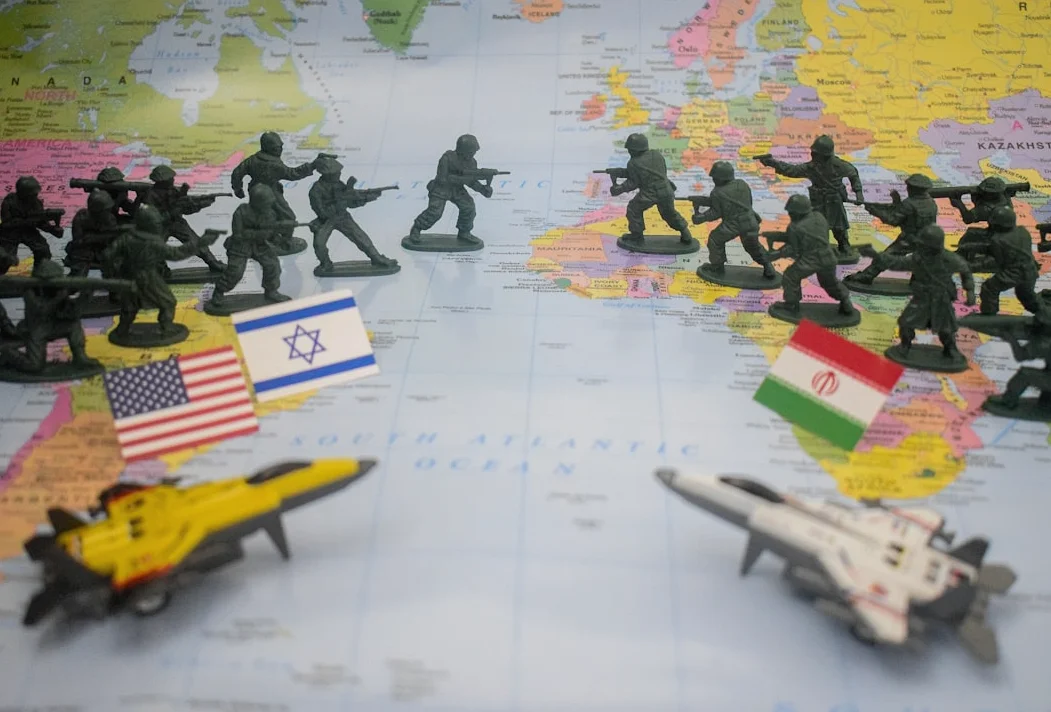
Israeli Prime Minister Benjamin Netanyahu asserted that Israel ‘acted alone’ in its recent strikes on Iranian energy facilities, according to reports from CNN and The Guardian. The claims come amid rising tensions between Israel and the United States over the war in Iran, with Netanyahu suggesting that a ‘ground component’ is necessary in the conflict, as noted by The Guardian. The Israeli leader’s statements have sparked debate about the role of the U.S. in the ongoing conflict, with some questioning whether the administration is being dragged into the war against Iran.
CNN reported that Trump and his advisors have pointed fingers at Netanyahu for major turning points in the war, indicating a potential rift within the GOP over the escalating costs of the conflict. The administration has requested more than $200 billion from Congress to cover the expenses, a move that has raised concerns about the financial burden on the U.S. taxpayer.
According to BBC reports, Trump compared the attack on Iran to the Pearl Harbor incident during a meeting with Japan’s Prime Minister Sanae Takaichi. This analogy has drawn criticism from some quarters, with concerns that such rhetoric could escalate tensions further in the region.
U.S.-Israel Relations and the Iran War
The relationship between the United States and Israel has come under scrutiny as the war in Iran continues to escalate. The Guardian reported that Netanyahu suggested the need for a ‘ground component’ in the conflict, indicating that air strikes alone may not be sufficient to achieve strategic objectives. This statement has raised questions about the U.S. role in the war, with some analysts suggesting that the administration may be reluctant to commit ground forces, despite Netanyahu’s insistence.
According to NBC News, energy prices have surged following Trump’s threats against Iran’s gas fields, with reports of an F-35 being hit by ‘suspected enemy fire.’ The situation has created a volatile environment in the Middle East, with concerns about the potential for further escalation. The rising costs of energy have also placed additional pressure on the U.S. economy, with the administration facing criticism for its handling of the situation.
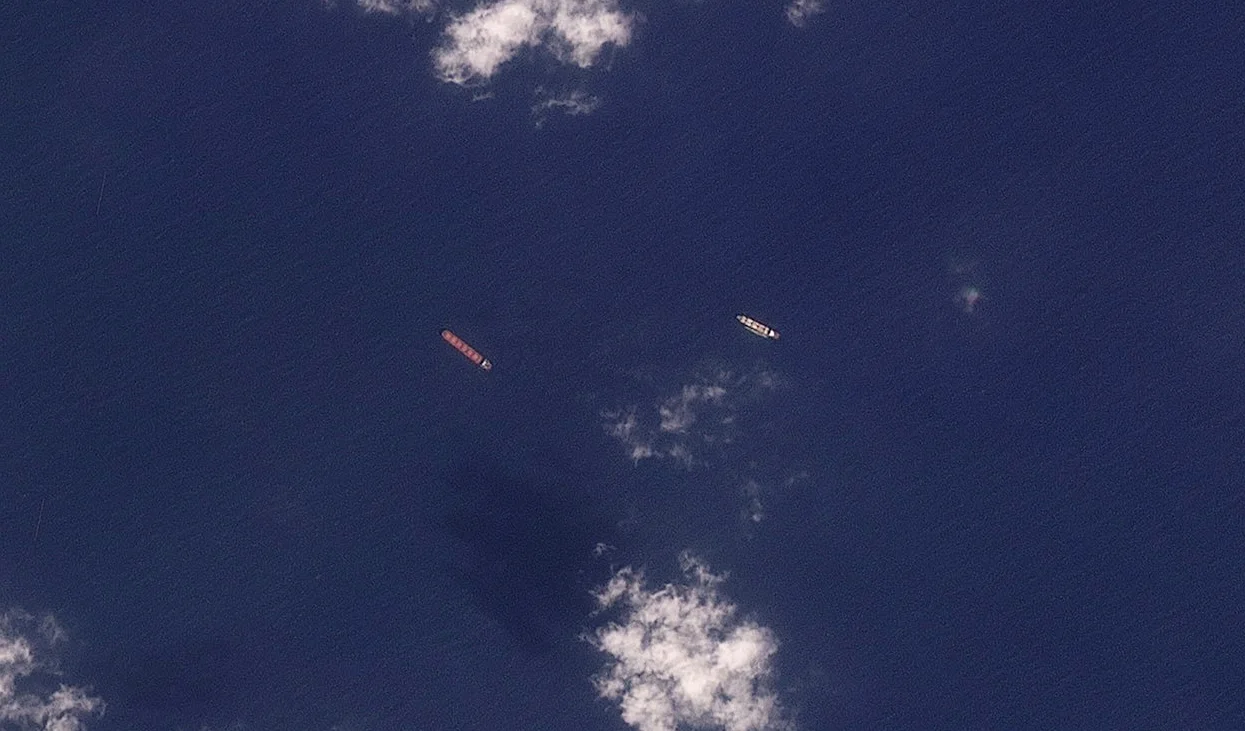
Meanwhile, the BBC reported that nearly 100 ships have passed through the Strait of Hormuz since the start of March, according to data analyzed by BBC Verify. This figure highlights the strategic importance of the region and the potential for further conflict in the area. The movement of these ships highlights the complex dynamics at play in the Middle East, where multiple stakeholders are vying for influence.
International Reactions and Regional Implications
The international community has responded to the escalating tensions in the Middle East with a mix of concern and criticism. According to The Guardian, the European Union has called for an end to attacks on energy infrastructure, with several EU member states expressing alarm over the potential for further conflict. This stance has been supported by reports from tagesschau.de, which noted that the EU has been pushing for a de-escalation of hostilities in the region.
In addition to the EU’s response, the situation has also drawn attention from other regional players. The BBC reported that Saudi Arabia and Bahrain have both intercepted and destroyed drones, indicating that the conflict is not limited to Iran and Israel alone. These actions suggest that the war in Iran has broader implications, with multiple countries involved in the escalating tensions.
According to tagesschau.de, the conflict has also had a significant impact on the Ukraine war, with some European leaders criticizing Hungary’s stance on the issue. The EU’s focus on the Iran conflict has raised concerns that the situation in Ukraine could be further complicated by the ongoing tensions in the Middle East. This interplay between regional conflicts has the potential to create a more volatile international landscape.
The situation has also had repercussions in other parts of the world, with reports from the BBC indicating that the attack on Iran has been compared to the Pearl Harbor incident by Trump. This analogy has been met with skepticism by some analysts, who argue that such comparisons may be misleading and could further inflame tensions in the region.
Economic and Political Consequences
The economic ramifications of the escalating conflict in the Middle East are becoming increasingly apparent. According to CNN, the administration’s request for over $200 billion from Congress has raised concerns about the financial burden on the U.S. taxpayer. This request has also sparked debate within the GOP, with some members questioning the necessity of continued involvement in the war.
Meanwhile, the rising energy prices have had a ripple effect on the global economy, with reports from NBC News indicating that the situation has already begun to impact the U.S. economy. The surge in energy costs has placed additional strain on consumers and businesses alike, with some experts warning of potential long-term consequences.
According to The Guardian, the situation has also raised questions about the role of the U.S. in the Middle East. Some analysts argue that the administration’s approach to the conflict may be counterproductive, potentially leading to further instability in the region. The debate over the U.S. role in the war has also extended to the domestic political sphere, with the GOP facing internal divisions over the issue.
What’s Next and Why It Matters
The ongoing conflict in the Middle East and the escalating tensions between the U.S. and Israel have significant implications for global stability. The situation has already led to rising energy prices and concerns about the financial burden on the U.S. taxpayer. As the war continues, the potential for further escalation remains a pressing concern, with the risk of a broader regional conflict looming.
According to the BBC, the movement of nearly 100 ships through the Strait of Hormuz highlights the strategic importance of the region and the potential for further conflict. The situation has also drawn international attention, with the EU calling for an end to attacks on energy infrastructure. The interplay between regional conflicts and the potential for further escalation highlights the need for diplomatic solutions to de-escalate tensions.
The impact of the conflict on the global economy and the potential for further instability in the Middle East are key factors that will shape the future of the situation. The administration’s handling of the war and the financial burden on the U.S. taxpayer will also be critical in determining the trajectory of the conflict. As the situation develops, the international community will be watching closely to see how the conflict unfolds and what steps will be taken to prevent further escalation.




Comments
No comments yet
Be the first to share your thoughts