

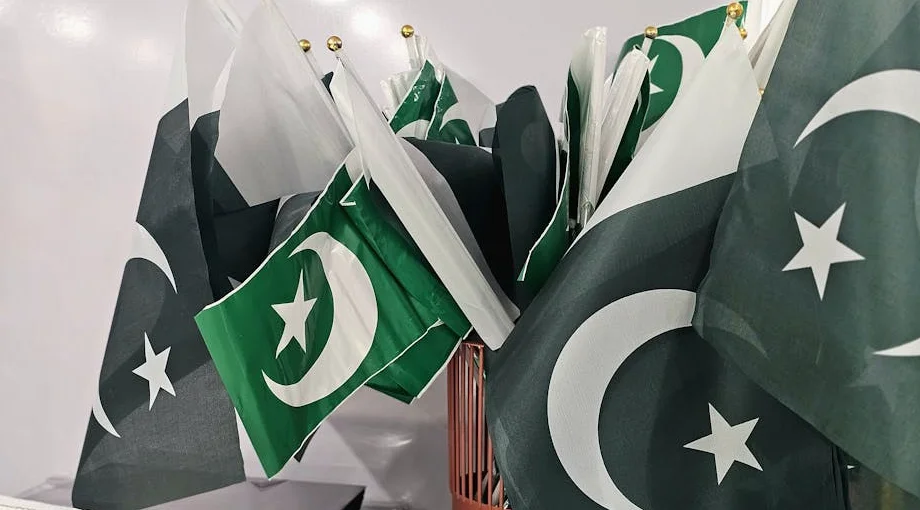
U.S. President Donald Trump has announced that U.S. negotiators will travel to Pakistan for another round of talks with Iran, aiming to extend a fragile ceasefire that is set to expire by Wednesday. Vice President JD Vance. Who led the first round of talks last weekend, will lead the delegation, alongside envoys Steve Witkoff and Jared Kushner, according to The Christian Science Monitor.
Stalemate in Talks and Continued Tensions
The first round of negotiations. Held in Pakistan. Ended without a deal. With Iran refusing to accept U.S. terms on nuclear enrichment and regional influence. Vice President JD Vance stated that the talks ended after 21 hours, with Iran declining to commit to not developing a nuclear weapon, according to myMotherLode.com.
Iran’s chief negotiator. Mohammad Bagher Qalibaf, said in an interview that there would be no retreat in diplomacy but acknowledged a wide gap between the two sides. Meanwhile, Iran’s state news agency, IRNA, reported that Tehran rejected the talks, citing Washington’s excessive demands and the ongoing U.S. naval blockade on Iranian ports as reasons for its absence.
Trump accused Iran of violating a two-week ceasefire by opening fire in the Strait of Hormuz on Saturday. He warned that if Iran does not accept the U.S. deal, the United States would destroy civilian infrastructure in Iran, including power plants and bridges, according to Al Jazeera.
U.S. Demands and Regional Concerns
The U.S. is reportedly presenting a list of 15 demands to Iran, which include issues related to Iran’s nuclear program, regional proxies, and control over the Strait of Hormuz. According to 경향신문, the U.S. administration conveyed these demands through mediator Pakistan. However, Iran has reportedly shown no inclination to accept these conditions, which are seen as a rehash of a year-old plan.
Regional concerns have been raised, with Israel and Gulf states warning that the U.S. is rushing negotiations to end the conflict with Iran. The New York Times and CNN reported that mediators including Pakistan, Turkey, and Egypt are working to arrange a U.S.-Iran meeting within 48 hours, according to 경향신문.
Iran’s Ministry of Foreign Affairs has called the U.S. naval blockade an “unlawful and criminal” act, violating the ceasefire and international law, according to Al Jazeera. This has further strained relations and complicated the prospects for a breakthrough in negotiations.
Security Measures and Diplomatic Preparations
Pakistani authorities have begun tightening security in Islamabad in anticipation of the talks. A regional official involved in the efforts said that mediators were finalizing preparations and that U.S. advance security teams were already on the ground, according to The Christian Science Monitor.
Despite the heightened security, it remains unclear whether either side has shifted its stance on critical issues that derailed the last round of negotiations. These issues include Iran’s nuclear enrichment program, its regional proxies, and control over the Strait of Hormuz, according to The Christian Science Monitor.
Trump’s threats against Iranian infrastructure have drawn widespread criticism and warnings of potential war crimes, according to The Christian Science Monitor. Meanwhile, Iran has not confirmed the talks, and its state media has emphasized that it has no intention of sending a delegation as long as the naval blockade continues.
As the talks approach, the world watches closely to see whether this second round of negotiations can yield a breakthrough or further deepen the stalemate between the U.S. and Iran.





Comments
No comments yet
Be the first to share your thoughts