

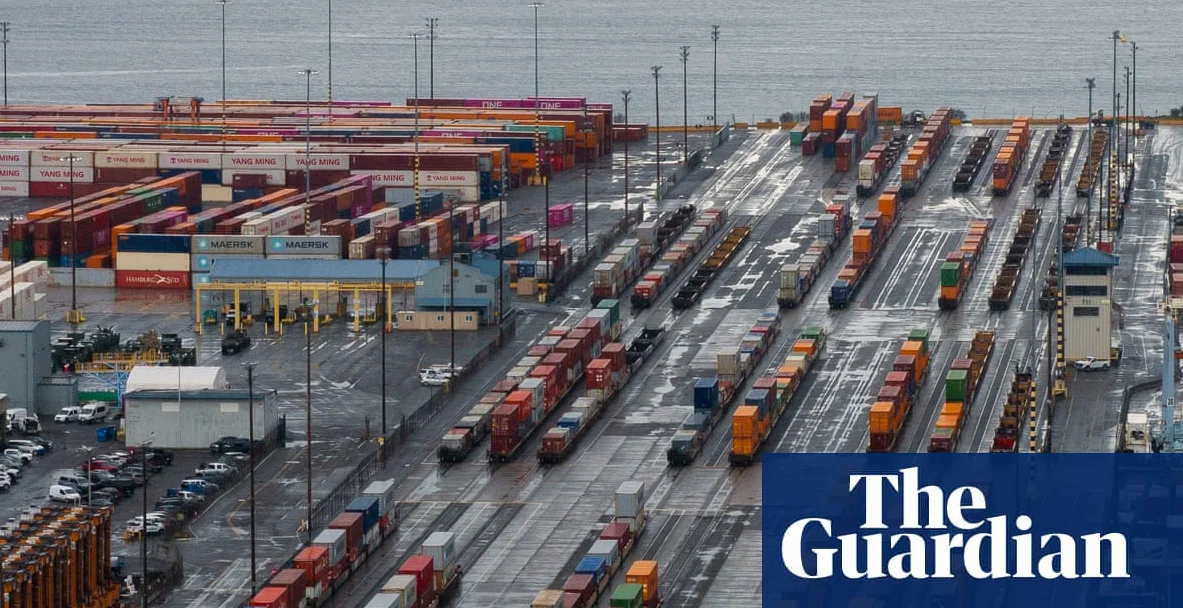
President Donald Trump has declined to renew the U.S.-Mexico-Canada Agreement (USMCA), the trade pact he championed in his first term, according to reports, while the decision comes as the pact, which replaced the North American Free Trade Agreement (NAFTA), faces its renewal deadline. The USMCA. Which went into effect in July 2020, governs $1.9 trillion in annual trade between the three countries,more than trade with China combined—and supports millions of jobs across North America.
Trade Tensions and Economic Concerns
The U.S. is reportedly pushing for changes to the pact that would give American automakers an edge in the region; this includes stricter rules of origin requirements, which could force Canada and Mexico to source more parts from the U.S. Such demands threaten established supply chains and could lead to higher car prices in the U.S., where the average new vehicle already costs nearly $50,000; Experts warn that these changes could destabilize the North American auto industry.
Diego Marroquín Bitar, a fellow at the Center for Strategic and International Studies, warned in a recent forum that the renewal process will be contentious, with “a lot of drama this summer.” He highlighted the fragile state of North American trade relations and the potential for disruptions in cross-border commerce.
Impact on Businesses and Consumers
Businesses across the U.S. ., Canada, and Mexico have long relied on the stability provided by the pact; the agreement facilitates the simple movement of goods like Canadian auto parts to U.S. factories and Mexican tequila to American bars. A failure to renew the pact could reintroduce uncertainty, potentially leading to new tariffs and trade barriers that have been absent since the agreement took effect.
Many U.S. businesses. Especially in the manufacturing and logistics sectors, have expressed support for maintaining the current framework. A return to a more unstable trade environment could disrupt supply chains, raise production costs, and ultimately lead to higher prices for consumers already struggling with inflation and a cost-of-living crisis.
Political and Economic Uncertainty
Trump’s refusal to renew the pact reflects his broader pattern of imposing tariffs and renegotiating trade deals to favor American interests. However, analysts caution that a complete breakdown in negotiations could have negative consequences for all three countries, including reduced trade volumes and economic slowdowns. Canada and Mexico have yet to respond formally, but both are expected to push back against U.S. demands that could undermine their industries.
The U.S. Chamber of Commerce, which represents over 300,000 businesses, has called for a stable and predictable trade environment. The chamber warned that any significant disruptions could cost American workers up to 170,000 jobs, according to a recent report.
With negotiations expected to stretch into the summer and beyond, the future of the USMCA remains uncertain. The outcome will have far-reaching implications for North American trade and could rework the economic terrain of the continent.





1 Comment