

 Associated Press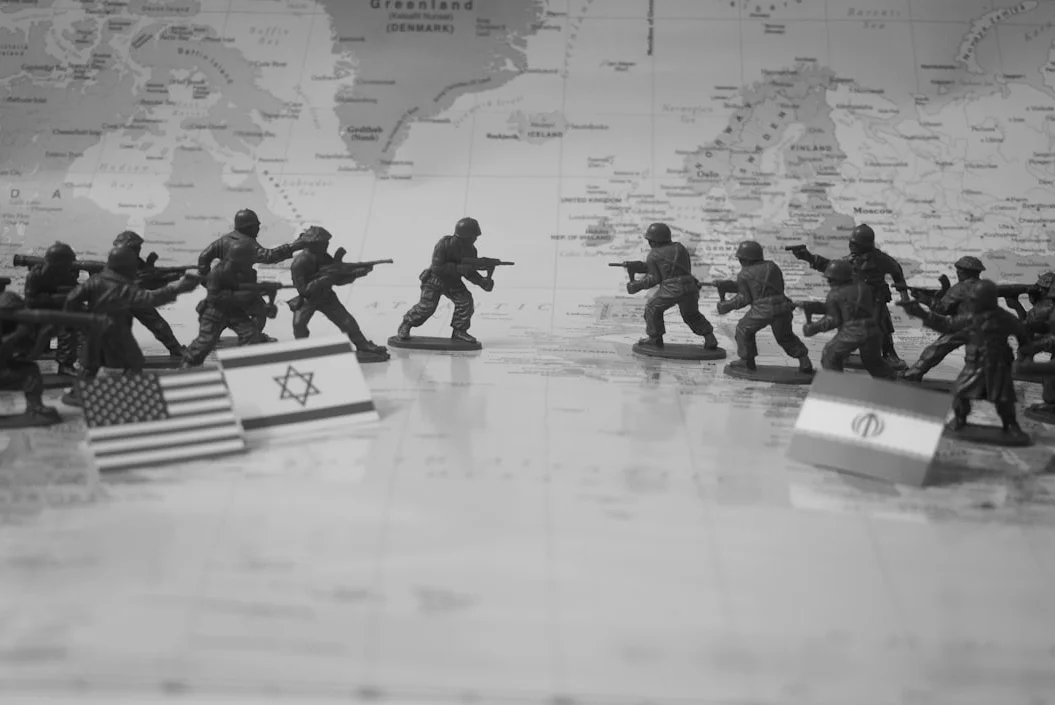
President Donald Trump’s attempts to rally European allies to assist in the Middle East crisis have met with a resounding silence, highlighting a shift in the dynamics of U.S. foreign policy. Trump, known for his transactional approach to international relations, has framed his requests as a call for repayment of long-standing U.S. security guarantees. However, the response from key allies has been lukewarm, with no major European nation committing to direct military involvement in the region.
European Alliances Under Strain
The reluctance of European allies to support Trump’s military initiatives has been attributed to a combination of factors, including a lack of consultation in the decision-making process and a desire to avoid entanglement in a conflict with no clear endgame. The United Kingdom, once considered a key U.S. ally, has explicitly stated it will not be drawn into the war. Prime Minister Keir Starmer has emphasized the need for international law and a well-defined strategy before committing troops.
France has also been non-committal, with President Emmanuel Macron stating that France did not initiate the conflict and is not prepared to take part in it. The French president has, however, considered the possibility of naval escorts in the Strait of Hormuz once hostilities subside. This approach reflects a broader European sentiment that the conflict is not their war to fight.
Retired Lt. Gen. Ben Hodges, a former U.S. Army officer in Europe, noted that allies are now looking at the United States in a way they never have before. He warned that this shift in perception could have long-term consequences for U.S. influence in the region. ‘This is bad for the United States,’ he said, highlighting the growing skepticism among European leaders.
Trump’s ‘Rolls-Royce of Allies’ Falters
Trump has been particularly frustrated with the United Kingdom, which he once referred to as the ‘Rolls-Royce of allies.’ Despite the U.K.’s early efforts to cultivate a relationship with the Trump administration, including a trade deal, Prime Minister Starmer has refused to support the U.S. in the current conflict. Trump criticized the U.K. for not being ‘enthusiastically involved,’ despite the U.S.’s long history of protecting British interests.
Trump’s frustration has been compounded by the fact that he has failed to secure the support of other major European allies, including Germany and the Netherlands. German Defense Minister Boris Pistorius has emphasized that Germany does not view the conflict as its war and has called for diplomatic solutions rather than military escalation.
French former ambassador Sylvie Bermann noted that European leaders are beginning to realize that there is no benefit in continuing to flatter Trump. ‘He is doing so in a brutal manner, saying: ‘You’re useless, we’re the strongest, we don’t need you, but come,’ she said, highlighting the growing tension in U.S.-European relations.
A Dangerous Mission with Uncertain Outcomes
Retired naval officers have warned that attempting to unblock the Strait of Hormuz with military escorts during an active conflict could be extremely dangerous. The Strait, through which a fifth of the world’s traded oil passes, is a critical chokepoint, and any attempt to secure it without Iran’s consent could escalate tensions further.
France, which has deployed its Charles de Gaulle aircraft carrier to the Mediterranean, is working with other countries to prepare for a potential mission in the strait. However, any such operation would be conditional on talks with Iran, according to French military spokesman Col. Guillaume Vernet. This approach reflects a cautious strategy aimed at de-escalating the conflict rather than provoking it.
Trump has been attempting to rally support from other nations, including China, but has faced similar resistance. China has not responded to his calls for assistance, suggesting that its foreign policy priorities are not aligned with those of the U.S. in this particular conflict.
Despite the lack of support from European allies, Trump has some use, including the potential to influence the flow of oil and gas from the Middle East. European countries depend on these resources and may be reluctant to alienate the U.S. over the issue. However, the risk of retaliation from Trump remains a concern among European leaders.
Analysts suggest that the current situation is a result of Trump’s America-first approach, which has led to a lack of consultation with allies on major decisions. This has created a sense of alienation among European leaders, who feel their voices are not being heard in the decision-making process.
The conflict has also had implications for U.S. support for Ukraine, with European allies needing Trump’s continued backing for U.S. weaponry and intelligence. However, Trump’s focus on the Iran conflict has raised concerns among European leaders about the stability of the U.S.-European alliance.
As the situation continues to evolve, the response from European allies will be critical in determining the future of the conflict. While Trump remains committed to his approach, the lack of support from key allies suggests that his strategy may not be as effective as he had hoped.






Comments
No comments yet
Be the first to share your thoughts