

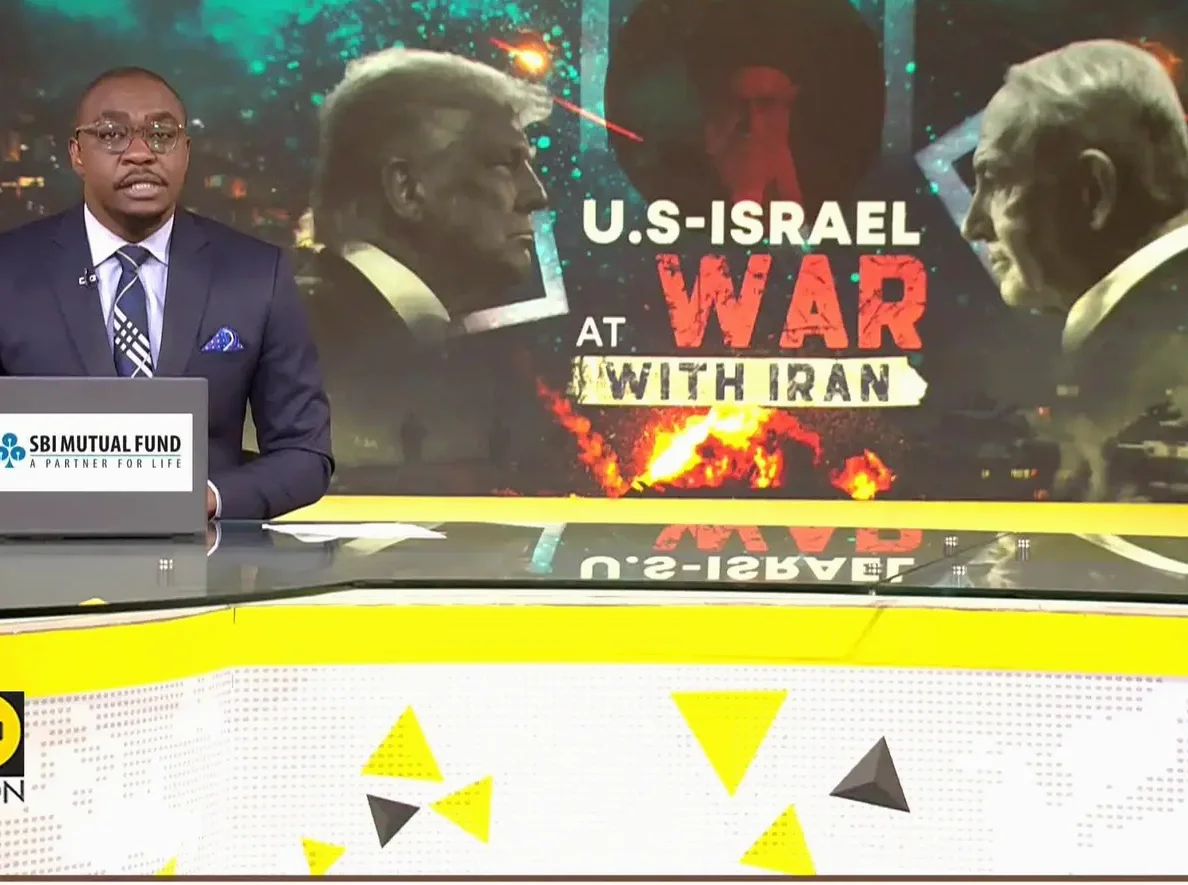
Donald Trump has sharply criticized the United Kingdom for its potential involvement in the escalating conflict in West Asia, calling the UK’s consideration to join the crisis ‘too late’ and asserting that the United States does not require British military support. The comments come amid growing tensions among Western allies as the war spreads across the Middle East and global powers debate their military roles in the crisis.
Escalating Tensions in West Asia
The conflict, which has seen heightened military activity between regional powers, has drawn international attention and concern. Reports indicate that the UK may deploy an aircraft carrier strike group to the region, while also allowing the U.S. to use British military bases. This move has sparked a rift between Trump and UK Prime Minister Keir Starmer, who has not yet publicly commented on the U.S. president’s remarks.
Trump’s comments were made in the context of an intensifying regional crisis, with Iran and Israel at the center of the escalating hostilities. The U.S. has been a key player in the region, providing military and strategic support to its allies, while the UK has historically maintained a strong defense relationship with the U.S.
According to reports, the UK’s decision to potentially deploy its carrier strike group signals a significant escalation in its involvement in the region. The move would mark the first time since the 2003 Iraq War that the UK has considered such a deployment in the Middle East.
Trump’s Criticism of UK Involvement
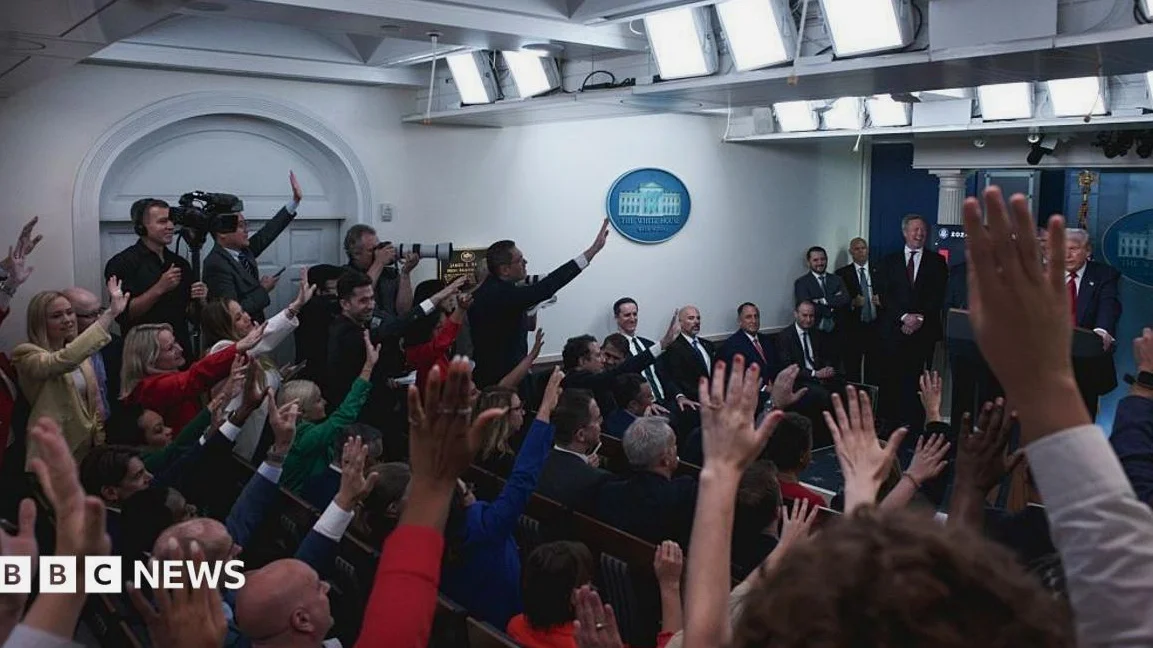
During a recent press briefing, Trump stated, ‘We do not need the British military assistance. They are trying to join the fight too late, and they are not needed.’ His remarks came as the U.S. continues to assess its military posture in the region, with officials reportedly considering additional troop deployments and increased air support for its allies.
The U.S. president’s comments highlight a growing divergence in strategic priorities between the U.S. and the UK, particularly as both nations handle their roles in the broader Middle East conflict. While the UK has been vocal about its commitment to regional stability, Trump has emphasized a more isolationist approach, urging the U.S. to act independently.
Analysts suggest that Trump’s criticism of the UK’s involvement may be an attempt to assert U.S. military dominance in the region and signal to other allies that the U.S. is capable of managing the crisis without foreign assistance. However, this stance could complicate diplomatic relations with the UK and other European allies, who have been vocal in their support for a multilateral approach to the conflict.
Implications for Western Alliances
The rift between Trump and Starmer highlights the challenges facing Western alliances in the face of a rapidly evolving geopolitical landscape. With the war spreading across the Middle East, the need for coordinated military and diplomatic responses has become more critical than ever.
According to a report by the International Institute for Strategic Studies, the conflict has already led to the displacement of over 2 million people and caused economic losses estimated at $15 billion in the region. These figures highlight the real-world impact on ordinary people, who are bearing the brunt of the escalating violence.
Looking ahead, the U.S. is expected to make a key decision on whether to increase its military presence in the region by the end of the month. The UK, meanwhile, is reportedly finalizing its plans for the potential deployment of its aircraft carrier strike group, with an official announcement expected within the next two weeks.
As the situation continues to unfold, the role of Western allies in the conflict will remain a point of contention. The U.S. and the UK, despite their historical alliance, find themselves at odds over the timing and scope of military involvement in the region. This divergence could have long-term implications for the future of Western military cooperation and strategic partnerships.



Comments
No comments yet
Be the first to share your thoughts