

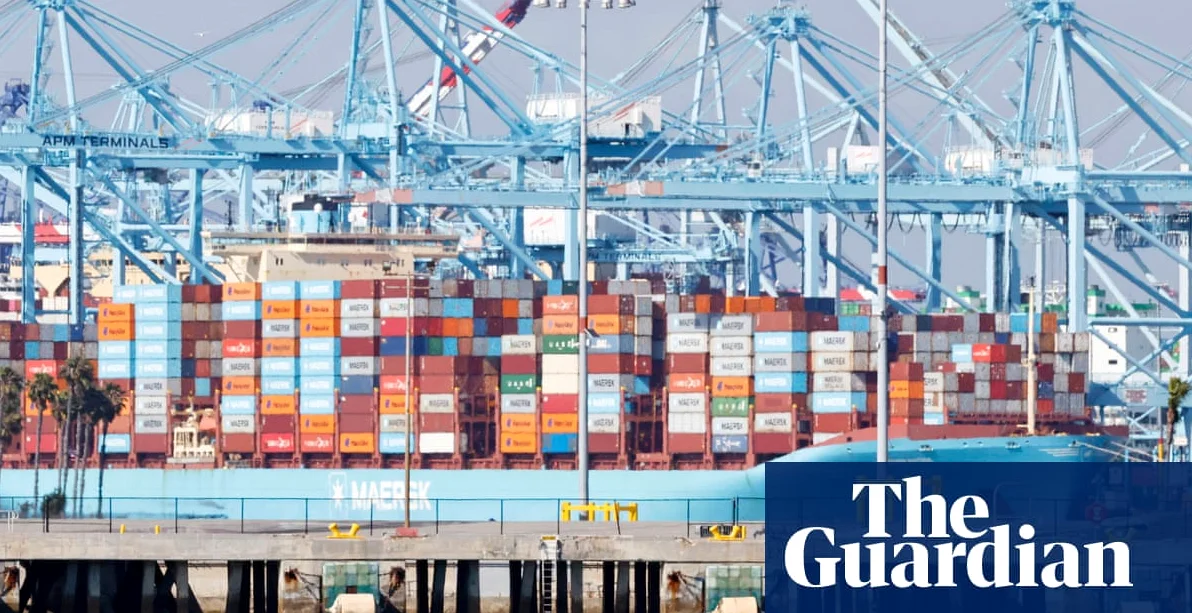
The Trump administration plans to impose new tariffs on more than 60 countries, including Canada, the UK, Japan, Norway, and China, over allegations that they are allowing goods produced by forced labor into their supply chains, according to the U.S. Trade Representative and reports from The Guardian and CBC. This move is part of an effort to circumvent a February Supreme Court ruling that limited the scope of broad-based tariffs previously imposed by the administration.
Forced Labour Allegations Drive New Tariff Proposals
U.S. Trade Representative Jamieson Greer announced the proposal late Tuesday, stating that the failure of key trading partners to address the importation of goods made with forced labor is unacceptable. According to the official announcement. The 10 per cent tariff on Canadian exports would apply only to goods that do not comply with the rules of origin in the Canada-U.S.-Mexico Agreement (CUSMA). This means nearly 90 per cent of Canadian exports to the U.S. would be exempt.
The U.S. government’s justification for these tariffs is based on an investigation under Section 301 of the Trade Act of 1974, which grants the president the authority to impose tariffs on countries whose trade practices are deemed unfair. A 98-page report from the investigation concluded that only Canada, Ecuador, the European Union, Indonesia, Mexico, and Pakistan have not failed to impose a forced labor import prohibition.
Trump’s Strategy to Deal with Legal Constraints
Experts had predicted that Trump would attempt to bypass the Supreme Court’s February ruling, which struck down broad-based tariffs on steel and aluminum. Greer said the administration has identified at least six other legal pathways to impose tariffs on countries judged to pose a threat to the U.S. economy. This strategy aligns with Trump’s long-standing focus on using tariffs as a tool of national economic security.
According to The Guardian. The administration has also threatened to impose 25 per cent tariffs on Brazil. This approach is part of a broader pattern of using trade policy as a lever to assert economic influence and pressure trading partners to meet U.S. standards on labor practices.
Impact on Trade Relations and Partners
The proposed tariffs come as key trading partners attempt to build trust with the Trump administration and manage the costs of doing business with the U.S. Canada’s trade minister. Dominic LeBlanc, met with Greer in Washington earlier in the day before the announcement was made — Canada, Japan, Norway, and Taiwan are among the countries most affected by the proposal.
Keir Starmer and other leaders have worked to maintain stability in trade relations with the U.S., but Trump’s unpredictable approach continues to create uncertainty. The new tariffs could further complicate global supply chains and raise concerns about the long-term sustainability of trade agreements.
The 10 per cent tariff on Canadian goods not compliant with CUSMA could stack on top of an existing 10 per cent tariff, which is set to expire on July 24. This potential increase in tariffs would affect a relatively small portion of Canadian exports, but the symbolic message is clear: the U.S. is determined to enforce stricter labor standards in international trade.






Comments
No comments yet
Be the first to share your thoughts