

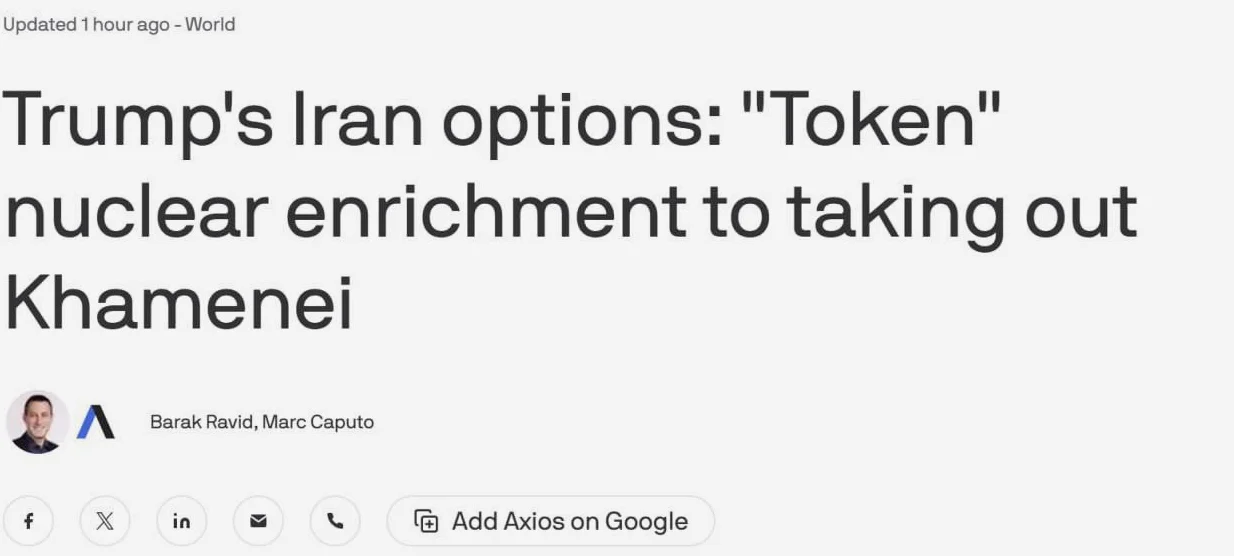
WASHINGTON — President Donald Trump has directed aides to explore assassinating Iran’s Supreme Leader Ayatollah Ali Khamenei and his son Mojtaba Khamenei. U.S. officials described the deliberations as one potential lever to force Tehran back to nuclear negotiations.
The discussions, first reported by Axios, come amid stalled talks over Iran’s atomic activities. Trump previously floated limited military strikes on Iranian facilities. Those actions, he said in recent statements, would underscore Washington’s resolve without sparking all-out war.
Any strike on Khamenei, 85, would mark a dramatic escalation. The cleric has ruled Iran since 1989, guiding its foreign policy and nuclear pursuits. Mojtaba, 55, serves as a key adviser and is widely seen as a potential successor. Their elimination could destabilize the regime, officials noted.
Even as lethal options surface, the White House holds out a diplomatic path. Washington signals readiness for a compromise: Iran could pursue limited uranium enrichment for civilian purposes. The caveat remains firm—no steps toward nuclear weapons.
“We want a deal that lasts,” one senior administration official told Axios. “Symbolic enrichment might buy time, but Tehran must dismantle its weaponization efforts.”
Trump pulled the U.S. from the 2015 nuclear accord early in his first term. He labeled it flawed, arguing it failed to curb Iran’s missile program or regional meddling. Since then, sanctions have bitten into Iran’s economy. Oil exports have plummeted. Inflation soars above 40%.
Iran responded by ramping up enrichment. U.N. inspectors report stocks of near-weapons-grade uranium. Enough material exists, according to the International Atomic Energy Agency, for several bombs if further processed.
Trump’s team weighs risks carefully. A targeted killing could rally Iranians around hardliners. It might also prompt retaliation against U.S. bases in Iraq or the Gulf. Saudi Arabia and Israel, longtime foes of Tehran, quietly back tougher measures.
“The president wants every tool on the table,” the official said. Trump has praised Israel’s past strikes on Iranian nuclear scientists. U.S. drones took out Iran’s top general Qassem Soleimani in 2020. That raid near Baghdad airport heightened tensions but did not ignite wider conflict.
Publicly, Trump keeps options open. During a February 20 rally in South Carolina, he warned Iran against crossing red lines. “They know what we’re capable of,” he said to cheers. Advisors now game out scenarios, from cyber operations to bunker-buster bombs.
European allies urge caution. Britain, France and Germany push renewed diplomacy. They preserved parts of the nuclear deal after Trump’s exit. Russia and China, Iran’s partners, decry U.S. “sabotage.”
No final decision has emerged. Trump could opt for sanctions alone or blend them with covert action. Enrichment talks, if they resume, might unfold in Oman or Vienna. Deadlines loom as Iran’s breakout time—the period needed to produce bomb fuel—shrinks to weeks.
The White House declined immediate comment. Iran’s mission to the United Nations called the reports “Zionist fabrications.” State media in Tehran branded Trump a “warmonger.”




Comments
No comments yet
Be the first to share your thoughts