

U.S. Energy Secretary Chris Wright has placed the blame for a sharp rise in oil prices on market sentiment rather than supply shortages, saying the surge is driven by ‘fear and perception.’ The price increases have pushed gasoline up 47 cents per gallon and diesel up 83 cents per gallon in the last week, according to AAA data.
Political Strategy Amid Rising Costs
The administration is using this argument as part of a broader strategy to insulate itself from public backlash over rising energy prices, which are expected to weigh heavily on voters in the upcoming midterm elections. Wright made the remarks on Fox News Sunday, where he said the price rise ‘has nothing to do with any shortage of barrels of oil or natural gas.’
He repeated the claim on CNN, describing the price jump as a ‘little bit of fear premium,’ but insisted the world is not short of oil or natural gas. Wright also appeared on CBS News’ ‘Face the Nation,’ where he suggested the surge could last only weeks, citing ’emotional reactions and fear that this is a long-term war.’
Market Dynamics and Supply Chain Concerns
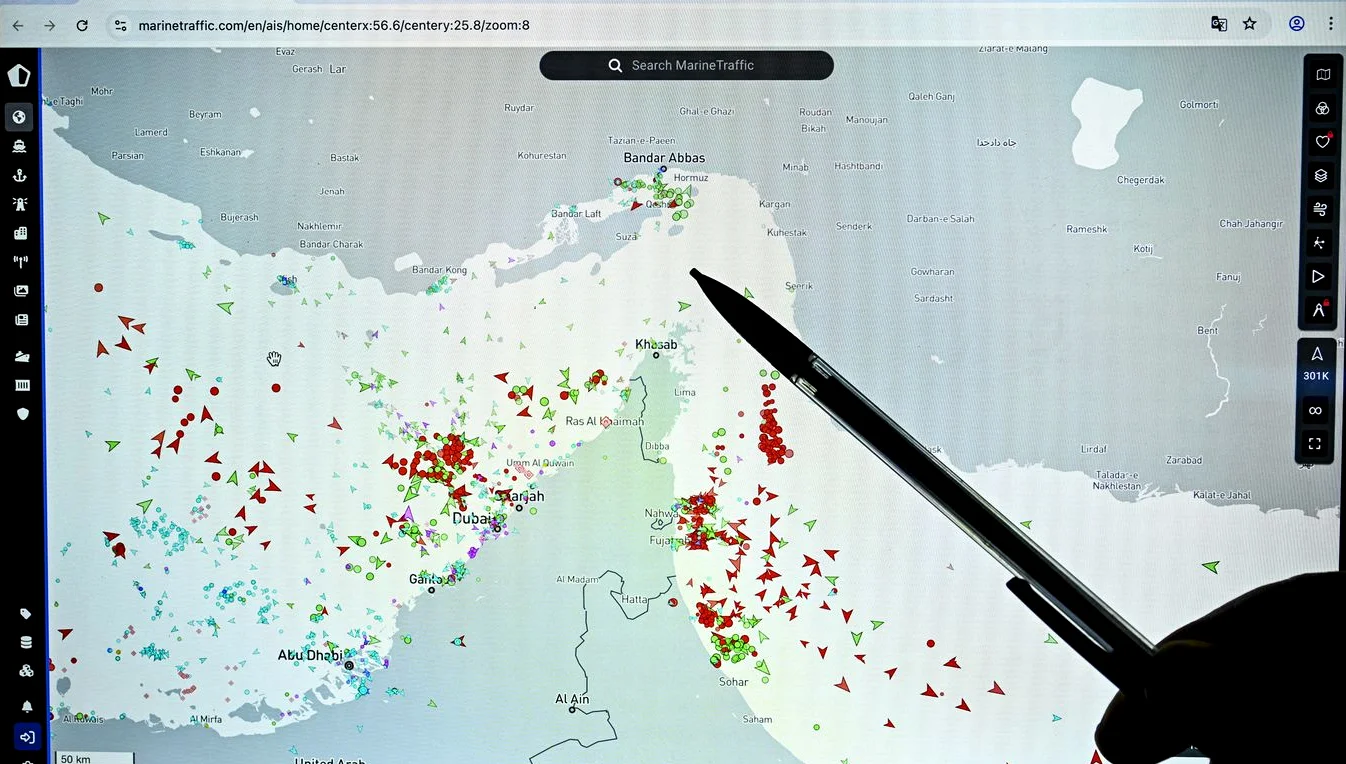
While Wright and others have focused on fear as the primary driver of the price increases, other factors are also at play. The conflict with Iran has led to the shutdown of the Strait of Hormuz, a critical shipping lane for global oil trade. This disruption has caused some oil producers to cut back on production as storage facilities near capacity.
The International Energy Agency (IEA) reported that the global oil market has been in ‘significant surplus’ since the start of last year, with global supply expected to exceed demand before the strikes on Iran. However, the IEA warned that prolonged supply disruptions could shift the market into a deficit, potentially causing further price increases.
According to the Joint Maritime Information Center, routine commercial traffic in the Strait of Hormuz has seen a ‘near-total temporary pause,’ though a ‘large tanker’ recently passed through the waterway. In 2025, an average of 20 million barrels per day of crude oil and oil products passed through the strait, according to IEA data.
Administration’s Response and Strategic Moves
While Wright projects optimism, administration officials have floated potential measures to contain the price increases. President Donald Trump has proposed offering political risk insurance and naval escorts to tankers to protect energy shipments. On Thursday, the Treasury Department issued a 30-day sanctions waiver to allow Indian refiners to purchase more Russian oil.
White House press secretary Karoline Leavitt framed the rising oil prices as a ‘short-term disruption for the long-term gain of taking out the rogue Iranian terrorist regime and finally ending their restriction of the free-flow of energy in the Middle East.’
Wright also emphasized on CNN’s ‘State of the Union’ that the U.S. is ‘targeting zero energy infrastructure,’ despite Israeli strikes on Iranian fuel depots. This stance highlights the administration’s broader geopolitical strategy, even as it faces domestic concerns over energy costs.
The current situation is particularly significant as the midterm elections approach. Voters are increasingly focused on the cost of living, and rising energy prices could have a direct impact on their daily budgets. Analysts suggest that the administration’s messaging around the oil price surge will be closely watched by both supporters and critics.
As the conflict in the Middle East continues to unfold, the administration’s ability to manage energy prices and its broader geopolitical goals will remain under scrutiny. The situation highlights the complex interplay between global politics, market dynamics, and the everyday experiences of American consumers.






Comments
No comments yet
Be the first to share your thoughts