

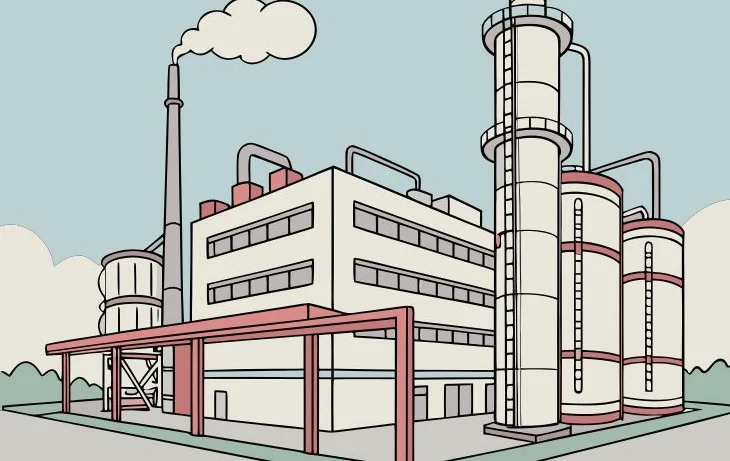
Tulum Energy has selected Scandinavian Energy Company to design and construct its first turquoise hydrogen pilot plant in Pesquería, Nuevo León, Mexico. The project, which will run through 2026-27, aims to produce clean hydrogen using methane pyrolysis, a process that separates methane into hydrogen and solid carbon without direct CO₂ emissions. The pilot plant is expected to be operational by 2027 and will be located within Ternium’s steel complex, using existing infrastructure to reduce the project’s footprint.
Financing and Industrial Integration
The project is backed by a $27 million seed round led by CDP Venture Capital and TDK Ventures, with additional funding from TechEnergy Ventures, MITO Technology, and Doral Energy-Tech Ventures. Tulum Energy’s initiative is positioned to support industrial decarbonization in one of Mexico’s key manufacturing regions. The pilot plant will be integrated with Ternium’s direct-reduced iron (DRI) plant, demonstrating how on-site hydrogen production can power steelmaking, chemicals, or heavy-duty transport.
Scandinavian Energy Company has been tasked with handling engineering, procurement, and construction (EPC) for the project. While the exact capacity remains undisclosed, the facility is expected to produce single-digit tonnes of hydrogen per day. The modular design allows for scalability and is projected to occupy significantly less space than a comparable green-hydrogen electrolysis setup, a critical factor in industrial parks with limited space.
Technical Process and Infrastructure
The plant will use an electric arc plasma reactor to split methane (CH₄) into hydrogen (H₂) and solid carbon at temperatures exceeding 1,500 °C in an oxygen-free environment. This process avoids direct CO₂ emissions from the reactor. The design will include modular reactor skids, gas-solid separators, and integrated heat recovery systems, aiming to rival or surpass the energy efficiency of traditional electrolysis methods.
Scandinavian Energy Company will oversee civil works, process integration with the steel plant’s utilities, and the setup of electric arc plasma systems from Tenova. The project will also include control systems, feedstock supply (natural gas), hydrogen off-take for the DRI plant, and carbon handling. By using Ternium’s existing infrastructure, the project aims to reduce construction and operational costs.
The hydrogen produced will meet feed-quality standards for DRI steelmaking and can be compressed for pipeline delivery. The plant will also be tested for continuous operation to assess maintenance needs and material wear, providing critical insights for future scaling.
Environmental and Economic Implications
Turquoise hydrogen, which avoids the carbon capture costs of blue hydrogen and the land- and water-intensive aspects of green hydrogen, could offer a more economically viable path for decarbonizing industrial processes. The absence of direct CO₂ emissions from the reactor gives the plant a clear environmental advantage over traditional steam methane reforming, which emits about 10 kg CO₂ per kg of hydrogen.
However, the project must manage the upstream methane supply chain carefully to prevent fugitive emissions. Top-tier leak detection and low-emission gas suppliers will be essential to maintaining the plant’s environmental credentials. The solid carbon by-product, which can be used in high-value applications like graphene or specialty graphite, could serve as an additional revenue stream, reducing operational costs.
Economically, the project’s modular design and smaller land use may result in lower upfront costs compared to sprawling electrolysis plants. In industrial zones where space is at a premium, this could translate into significant cost savings. The dual-product model of hydrogen and solid carbon also enhances the project’s financial viability.
Regulatory and Market Outlook
Mexico is actively pursuing its energy transition, exploring hydrogen as both an export and a domestic feedstock. While a dedicated regulatory framework for hydrogen is still being developed, existing clean-energy incentives and gas networks provide a favorable environment for such projects. Local authorities in Nuevo León have been supportive, fast-tracking permits and infrastructure connections for pilot projects.
By co-locating with a major buyer like Ternium, Tulum Energy not only secures an off-take partner but also turns the pilot into a “live lab” for testing performance and costs in real-world conditions. This approach reduces the risk of scaling up from pilot to full-scale production, a crucial step in building broader hydrogen infrastructure.
The pilot’s success will depend on delivering reliable, cost-effective clean hydrogen at scale. If the project meets its targets, it could serve as a model for future turquoise hydrogen initiatives, particularly in regions where energy and water are limited. Investors are closely watching the project to compare its operating expenses, levelized costs, and internal rate of return (IRR) against similar electrolysis-based projects in the U.S., Europe, and Asia.
Future Steps and Challenges
Tulum Energy and Scandinavian Energy Company are focused on achieving key milestones, including mechanical completion, system commissioning, and a months-long test run to gather performance data. If successful, the plant could scale up to produce 20-200 tons of hydrogen per day.
Challenges remain, particularly in ensuring the methane supply chain is leak-free and in securing market demand for the solid carbon by-product. Nonetheless, the project represents a significant step forward in advancing industrial decarbonization in Mexico and potentially beyond. If the technology scales as expected, this pilot could prove to be one of the most viable routes for transforming natural gas into low-carbon fuel.






Comments
No comments yet
Be the first to share your thoughts